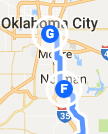
Trip Log – Day 363 – Oklahoma City OK

to-okcNovember 2, 2016 – Sunny, 80 degrees

Miles Today: 21

Miles to Date: 18,777

States to Date: 46

 img_8284Bicycle maintenance day! Al’s Bicycles in OKC did a great job sprucing up Tom for his 2,000-mile check-up. While he was getting a new chain, cassette and tune-up, my high school friend Marion Paden took me to lunch – three hours food and talk to catch up on more than thirty years.


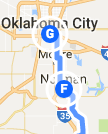
img_6385-jpgThe short but harrowing ride to my nephew’s house included a left turn from the traffic lane of NW 122nd Street at Hidden Creek with rush hour cars racing toward me over the blind hill. Thanks to the considerate pick-up driver who stopped to left me escape that busy road.

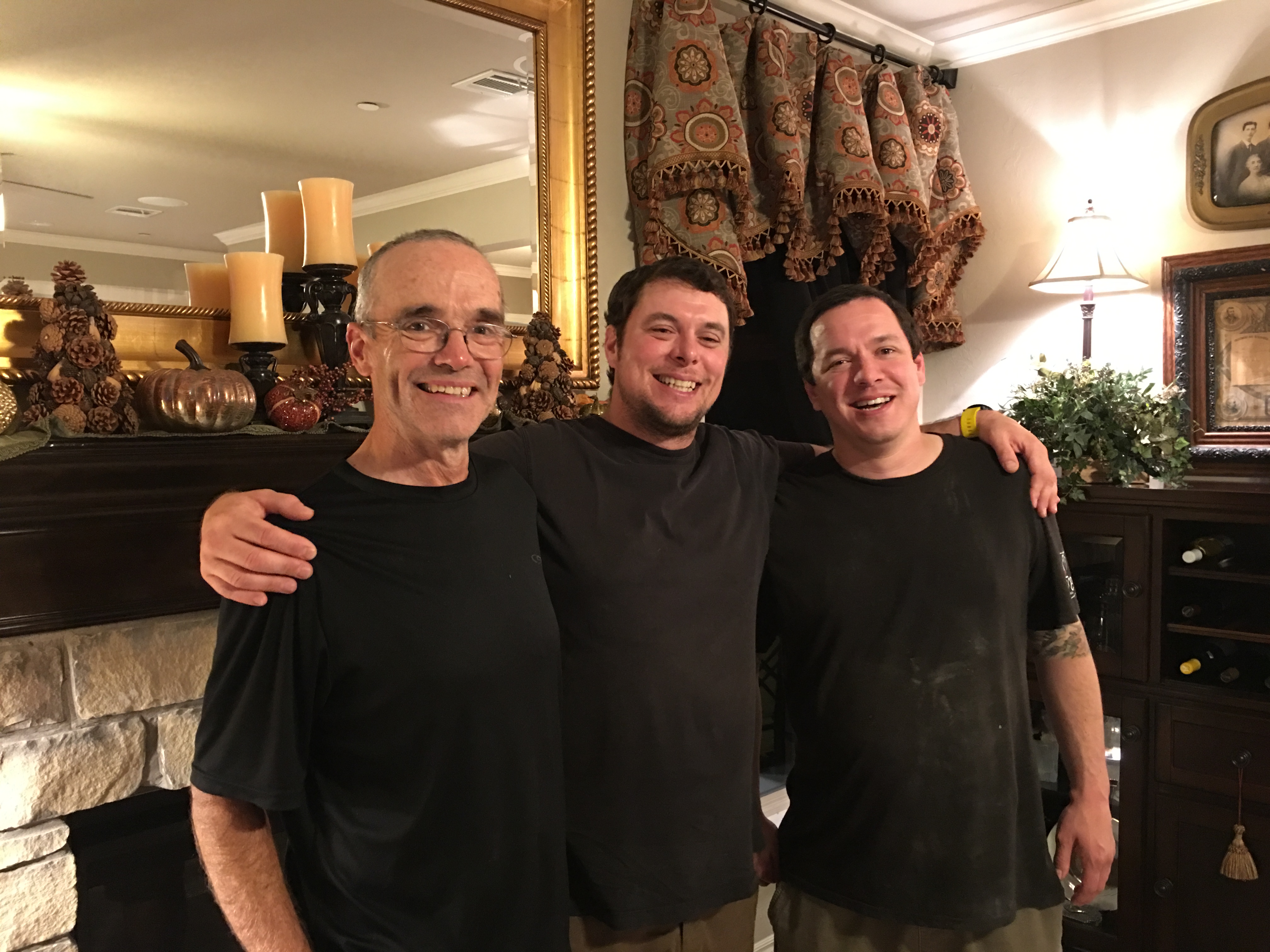
Jeff and Joey and I enjoyed a great evening of historic baseball as the Cubs shook off 108 years of coming up short. Jeff’s girlfriend Lana captured the identical, drab shirts and shorts all three of us wore. Fallon boys are not fashion setters.

img_0069Tom settled into the garage for an extended break. Tomorrow I fly to Seattle to deliver the keynote address at the NW Sustainability Conference and spend a week with my niece and her boys while her husband is deployed in the Middle East.

I will begin the last leg of my cycling journey on Monday November 14 and look forward to sharing more Trip Logs then.

Posted in Bicycle Trip Log | Tagged , , , | 3 Comments

Trip Log – Day 362 – Oklahoma City OK

to-okcNovember 1, 2016 – Sunny, 80 degrees

Miles Today: 20

Miles to Date: 18,756

States to Date: 46

There are two truths I run up against everywhere I go: our public education system is failing; our public library system is thriving.

imgresTo paraphrase Dallas Police Chief’s David Brown’s remarks after five Dallas police officers were killed, ‘we ask too much of our public schools.’ We expect our schools to reflect the America we hope for – a place where our children are educated and fed and socialized and integrated; while in reality our culture devalues, often denigrates, education, tolerates hunger, fosters inequality, and remains largely segregated. People argue about funding and teacher salaries, unions and charters. But ultimately our schools are failing because they are not supported by the society they are supposed to prepare our children to enter. Teachers feel beaten down and unappreciated, parents feel shortchanged; taxpayers are unwilling to pour money into a floundering system.

img_8273Our public libraries, on the other hand, are the most well utilized democratic institutions in our country. Libraries allow everyone, regardless of race or income, to access the information and technology necessary to be an informed citizen. I’ve visited hundreds of libraries across the country and am amazed at how well they’re used. Patrons respect these facilities. Librarians are consistently positive and helpful. I’ve observed librarians help non-English speaking adults navigate the Internet, assist transients in obtaining identification, and coordinate a line of homeless through the men’s room with patience and respect. They are not just reference sources; they are our new social workers.

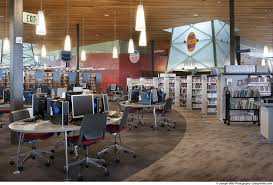
I spent most of the day at the new Patience Latting Library in Northwest Oklahoma City. When I arrived on a weekday morning most of the computer terminals were already occupied and I landed the last available study carrel. The 35,000 square foot, LEED building that opened in 2012 buzzed with purposeful inquiry. It’s bright interior is rich in Oklahoma imagery: skylights that evoke oil derricks on the roof top identify key elements of the open plan interior.

imgres-1The $8.2 million facility cost is less than one quarter of this year’s Oklahoma City Schools capital budget. The schools don’t seem to get comparable bang for their buck.

Schools are not a high priority in this state; Oklahoma ranks 46th in per pupil public school expenditure and people throughout the state report that teachers move for higher salaries. An effort to curb this trend, ballot initiative 779, would boost sales tax to increase teacher pay. Right now, it is polling favorably. (Post election note: it failed.)

Libraries are not schools. They are elective rather than mandatory use facilities. But I can’t help thinking what make libraries so wonderful – that they serve across generations, that they invite independent inquiry, that they are staffed by people who support the patron’s interests rather than deliver prescribed content – are ingredients we ought to stir into our efforts to revitalize our schools.


Posted in Bicycle Trip Log | Tagged , , , | 1 Comment

Profile Response: Rick Erwin, City Museum, Saint Louis, MO

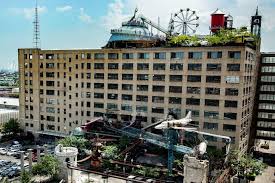
HWWLT Logo on yellow“If you build it, they will come.” That paraphrase of the voice Kevin Costner heard in his Field of Dreams more than twenty-five years ago has become the mantra of great development successes, and the bane of endeavors gone bust. But nowhere is it more apt than at City Museum, where building is an endless pursuit to create endless delight.

There’s a complicated story here. A genius, Robert Casilly Jr, purchased a bargain behemoth, the Johnson Shoe Warehouse in Saint Louis’s garment district, for 30 cents a square foot in the 1990’s. An ugly divorce led Casilly to build outside the structure when he wasn’t allowed within the walls. A non-profit museum running a million dollars in the red turned into a for-profit enterprise operating in the black.

images-1 images

Rick Erwin, Executive Director, came to City Museum ten years ago and worked with Bob Casilly until the founder died in 2011. Rick keeps the sprit of the place the same. “When we were a non-profit we had to be ‘educational.’ Now, we can do what we want. We are the reward place. This is where kids get to go for selling the most Girl Scout cookies or getting the most merit badges.”

images-2 images-4

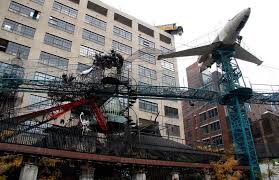
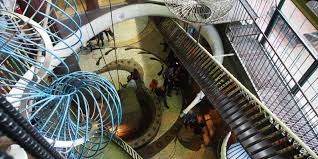
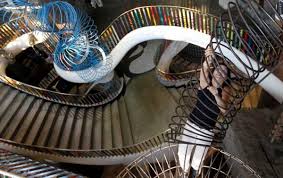
I’ve never been anyplace quite like City Museum – and neither have you. The organizing sign at the ticket counter points to restrooms and the elevator. It also proclaims, ‘No Maps’. The only way to get around is to explore. Four floors of labyrinths and slides, industrial components, sculpture, tableaus of architectural ornament, plaster serpents, and thousands of beetles pinned behind glass; plus an outdoor jungle gym, a Ferris wheel on the roof, and a school bus perched above the city. The juxtaposition of fanciful play, machinery, craft, and fine art is unprecedented. And it works. There is nothing overtly ‘educational’ in City Museum, but you see kids, and adults, making new connections and deepening their understanding all the time.

img_7227Rick coordinates a staff of four administrators, ten full-time builders, and an assortment of folks wearing STAFF shirts. The day we met, he was all excited about City Museum’s Tony Cragg sculpture recently arrived from Paris. “We’ve started adding purchased pieces to our collection. It takes us so long to build new things, but we need to have new items for repeat visitors.” The art that City Museum purchases aligns with its identity – quirky and fun yet thought provoking. However, fine art creates one distinct shift in the museum’s focus. “We have a fourth floor gallery where you cannot touch the objects. That is a big change for City Museum, where hands on has always been the rule.”

img_7231Rick stresses City Museum’s biggest draw. “Kids love slides. Slides allow me to buy art and architecture.” Indeed, there are dozens of slides throughout City Museum, from shallow five foot straight runs in a toddler area to a six-story chute that winds around the outside of the building. But City Museum’s not just for kids. Late Friday afternoon, groups of young twenty something’s queued up to visit. On weekends, City Museum’s a night spot open until 1:00 a.m.

img_7228When I got to the fourth floor, and came to the art gallery, Tony Cragg’s ‘Spark’ was sitting there, albeit still on a crate platform. Two older men were studying the piece, looking at is odd reflections. “What is it?” “It’s like a splash, like an alien is going to come out of it.” At City Museum, that seemed quite possible.


How will we live tomorrow?

screen-shot-2016-10-29-at-12-05-58-pm“I have two kids now. We’ve reached a point where we have too much. It’s hard to simplify with kids. We try to reuse – the way we build here in the museum. We’ve got a nice two-bedroom house that ought to be enough, but we think we’ve got to get more space.

“I’ll give you the Patagonia answer: Simply.”


Posted in Uncategorized | Tagged , , , , | Leave a comment

Trip Log – Day 361 – Oklahoma City OK

to-okcOctober 31, 2016 – Sunny, 80 degrees

Miles Today: 24

Miles to Date: 18,736

States to Date: 46

imagesI indulge in local culinary delights of the highbrow and fast food variety wherever I go. Today an old high school friend invited me to her favorite sushi place for lunch. Delicious.


Unfortunately, sushi hardly fills a guy pedaling against the Oklahoma wind, so I bookended lunch with snacks from Oklahoma’s premier fast food emporiums: a mid-morning pair of Sonic Drive-in 50 cent Halloween corndogs and a Braum’s double dip cone in the afternoon. Warning label: my diet is hazardous to the health of anyone burning less than 4,000 calories a day.

img_8267 imgres imgres-1


Posted in Bicycle Trip Log | Tagged , , , , | 2 Comments

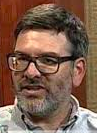
Profile Response: William Iseminger, Cahokia Mounds Historic Site, Collinsville, IL

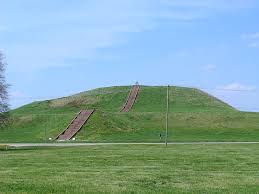
HWWLT Logo on yellowOne thousand years ago, Cahokia was the largest city north of Mexico. Twenty thousand people lived in in a complex urban environment in the wide fertile valley of the Mississippi/Missouri basin. They built mounds for ceremonial and functional use. The largest, Monk’s Mound, is one hundred feet tall and covers fourteen acres. It took twenty-two million cubic feet of earth, transported by Indians in backpacks, and three hundred years to complete. The Cahokia chief, communicator with the gods of the Upper and Lower Worlds to the inhabitants of the Middle World, lived atop this giant mound. Today, we can scale the 157 steps to the top and scan the immense basin for miles, all the way to Saint Louis’ Gateway Arch.

imgresEarly settlers to the area understood these were Indian Mounds, but preservation efforts didn’t begin until after Warren Moorehead spearheaded the first archeological study of Cahokia in 1921. He identified over 120 mounds, many of which had already been altered. He cajoled the state of Illinois to preserve a 144-acre track. By the 1960’s this grew to 2200 acres and in 1982, Cahokia was named a World Heritage Site. At this time, Cahokia State Historic Site includes 72 protected mounds. A non-profit group continues to purchase property to preserve additional mounds, much of it in platted subdivision of suburban Saint Louis.

img_7204Bill Iseminger came to work here in 1971 and never left. At that time there was a ranger station near Monk’s Mound that contained a few exhibits. Bill and others developed a museum that quickly outgrew that building. In 1989 the state opened the current interpretive center, which features a terrific introductory film and extensive background on the people of Cahokia and their world.

The State of Illinois, and Bill, would like Cahokia to be part of the National Park System. It could be a National Historic Site, which requires congressional designation. Or, it could be a National Monument, which can be created by Presidential decree. “We don’t know if Obama will do it before he leaves office. After all, he’s from Illinois.”

How will we live tomorrow?

img_7202“For the most part, pretty much as we do today. We’ll see changes in the environment and politics that will impact our lives, to various degrees. The conservative movements are expanding. There is more friction in the world. Technology has its influences. The more technology we have, the less practical our lives. Communication and the spread of knowledge is expanding, but we are losing personal communication.

“In archeology, technology offers many advantages. With remote detection we get better direction on where to dig. We have more advanced analytic techniques. Dating and DNA improve our interpretations. We can revisit former digs and learn more. Here at Mound 72, in the 1960’s we found mass ceremonial graves. Now we can analyze the bones of the remains and determine where the people were from, and their diet. We can analyze what food was cooked in a particular pot.

“Understanding the past helps to remove misconceptions about what Indians were. These people had a complex society. They had overpopulation and pollution. We think we learn from the past, but we often repeat our patterns.”

Posted in Responses | Tagged , , , | Leave a comment

Trip Log – Day 360 – Norman OK to Oklahoma City OK

to-okcOctober 30, 2016 – Overcast, 75 degrees

Miles Today: 48

Miles to Date: 18,712

States to Date: 46

Oklahoma City went from 0 to 10,000 citizens in a day: April 29, 1889. For the next hundred years, OKC continued to be a boom and bust place: many credit the 1980’s recession with the failure of Oklahoma City’s Penn Square Bank.

img_8251In the 1990’s, while the city was still recovering from the fallout of Penn Square, Mayor Ron Norick and the Chamber of Commerce proposed MAPS (Metropolitan Area Projects), an innovative way to fund specific capital projects bundled together for broad appeal through a one percent city sales tax, overseen by a citizen’s committee rather than a government agency, and built with cash derived from the tax rather than bonds. Over the past twenty years, voters have passed three specific MAPS initiatives. In the process, OKC has boosted its urban core, diversified its economy, and become nationally known as both a progressive and easy place to do business.

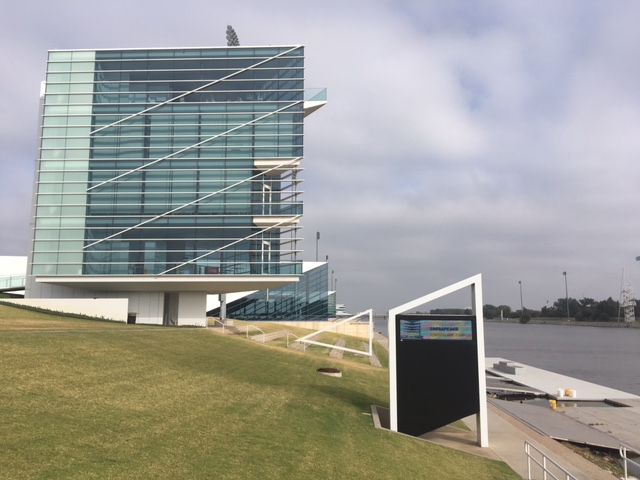
img_8258I cycled through downtown on a lazy Sunday afternoon, visiting the Boathouse District (OKC created a permanent basin off the North Canadian River to become the center of US Olympic Rowing), and Bricktown, a San Antonio-like canal and warehouse district.


img_8260OKC’s initiatives are not limited to downtown. A few blocks from where I lived in the 1980’s an abandoned theater and grocery store became home to the Lyric Theater. The city throttled traffic and expanded the sidewalks. The Plaza District became the hot place to be in a city that, for many years, had few cohesive places at all.


Posted in Bicycle Trip Log | Tagged , , , , | Leave a comment

Profile Response: Amanda Rudy, Belleville, IL

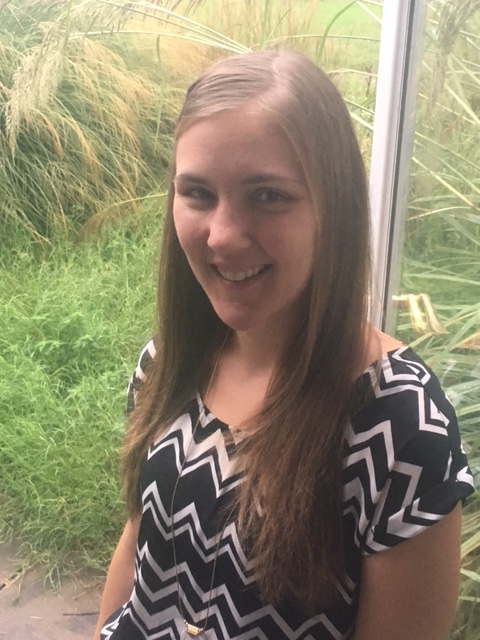
HWWLT Logo on yellow“People are so much better than things.” Amanda Rudy’s philosophy keeps her surrounded by people. The night I visited, two of Amanda’s three housemates, her boyfriend Kyle, and friends Lisa and Kirk filtered in and out of the three bedroom house Amanda owns on a quiet street in Belleville. Her love of people also enables her to get things she enjoys. “My chicken coop, my back patio, my custom bathroom, my new trailer, all thanks to having housemates.”

Amanda, thirty something, studied architecture and worked for a firm in St. Louis for nine years. She recently moved to a firm on the Illinois side of the river. She can ride her bike, or her motorcycle to the office, which makes life easier, and more fun.

img_7197Amanda grew up in nearby Freeburg, on the same street as a red haired boy named Kyle who is now her boyfriend. Although they went separate ways for years and have only been dating three months, they have the warm familiarity of a content, established couple. Amanda’s longtime fiancé endured Cystic Fibrosis and died at age 29 when his body rejected a transplant. Kyle left a career in architecture to work in his family business. Having each other, and a faithful dog, feels like a good thing.

Amanda is a woman of action and personal improvement. She sews clothes, makes clutch purses out of pop-tops, grows vegetables, and keeps chickens. She provides eggs to the neighborhood. “Back yard eggs have twice the protein, half the cholesterol and three times the Omega 3’s of store bought eggs.”

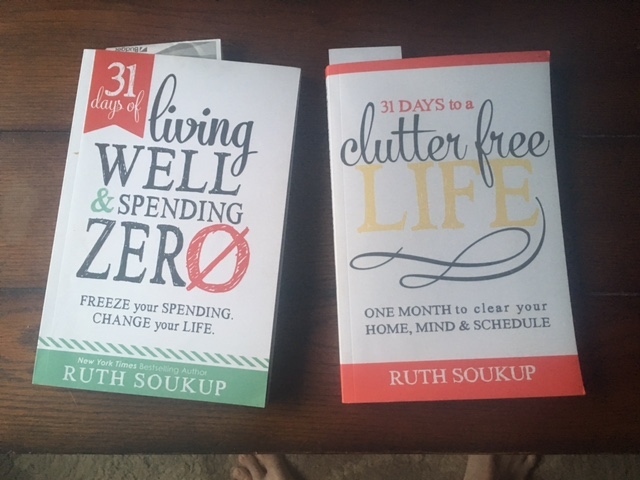
img_7198Her current focus is on reducing her stuff. “A clutter free room is a clutter free mind.” She read Ruth Soukup’s 31 Days to a Clutter Free Life, which induced her to take on 31 Days of Living Well and Spending Zero. She and Kyle are not spending any money in the month of September, except for what they can get by selling things they no longer want or need. There’s a pile of stuff in Amanda’s living room she’s selling on Craigslist to cash them through the month. “I am getting rid of things I don’t need and becoming more mindful.”

How will we live tomorrow?

img_7200“I have a gazillion ideas I can’t put into words. I’m into sustainability and am skeptical of our systems. It’s the same with people. We depend on people both too little and too much. We want to be independent until we are in need. I’m a country girl and a city girl. I want to blend the two.”

Posted in Responses | Tagged , , , , | Leave a comment

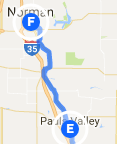
Trip Log – Day 359 – Pauls Valley OK to Norman OK

to-normanOctober 29, 2016 – Sun, 85 degrees

Miles Today: 60

Miles to Date: 18,664

States to Date: 46

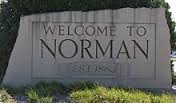
Back in College Station TX I visited the land that inspired my New York born father to pioneer west. Our Conestoga wagon was a Winnebago. His strong-willed wife refused his lead and insisted we settle 350 miles to the north. Our homestead was not 160 acres, but a brick ranch that we could not inhabit until the bankers were satisfied. We did not circle the wagons at night; we parked in the Safeway parking lot. I did not rise with the dawn to help with chores; I unhitched my bicycle from the back of the motorhome and pedaled against the wind to school. To any rational 1971 eyes we lived in suburban America. In my fathers eyes we were battling the elements and conquering the West circa Oklahoma Land Run 1889.

imgresMy father’s business never prospered. The bank took back the Winnebago, then the ranch. My parents shuffled among houses and apartments all over town. My mother went to work. My father drank more. Eventually they split. The pioneer returned to New Jersey, his dream unrealized.

screen-shot-2016-10-31-at-3-36-04-pmMeanwhile, I arrived in Oklahoma with a mop of bad hair, a thick accent, and an urban attitude to match. But I thrived. I landed at University High School in the middle of my junior year, met great friends, dated a terrific girl whom I eventually married, and got accepted to MIT, in part, I am certain, because I applied from a geographically sparse niche. Less than two years after becoming an Okie I shipped out to college. My lasting lesson of heartland was appreciation for all regional attributes our country embraces and the conviction that our commonalities are more plentiful than those differences.

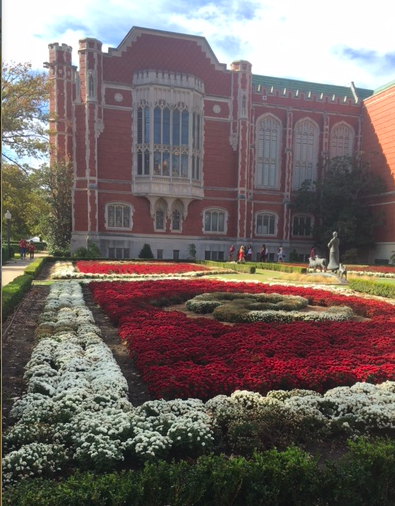
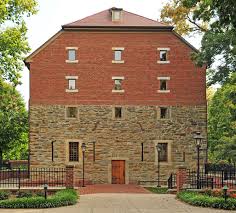
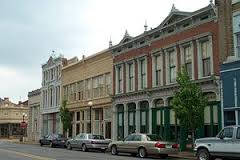
img_8225Norman’s physical fabric, so transformed between 1889 and 1973, has stabilized in the last 43 years. True, University of Oklahoma Football stadium is getting enlarged again, like an inflatable toy that refuses to pop: 87,000 seats plus an attached parking garage so fat donors can drive to their skybox. Sure, the commercial strip along I-35 is banal as any in America. But everything else is much the same. OU’s campus is still anchored by a pair of handsome ovals. Main Street storefronts survive despite the big box stores. The wooden bungalows in the older part of town still need a coat of paint. The brick houses in the subdivisions beyond appear smaller only because the trees have grown.

screen-shot-2016-10-31-at-3-32-36-pmI arrived on Homecoming Day. Campus buzzed with anticipation of the night game against University of Kansas. The parade down Boyd Street could have been a Jimmy Stewart movie: Pride of Oklahoma marching band, cheerleaders, Greek letter fraternities and sororities. But a few boys wore pink shirts with the OU logo, women with cropped hair held hands, interracial couples clapped along with everyone else, one Homecoming Queen candidate was from Mumbai.

When I first came to Norman Mumbai was Bombay, and we didn’t consider anyone from there pretty. Girl’s held hands as a joke, interracial couples hid, and boys’ didn’t wear pink shirts – period. The physical fabric of this college town may be little changed, but the society it supports has blossomed in directions this oxford-clothed high schooler could never have imagined.


Posted in Bicycle Trip Log | Tagged , , | 1 Comment

Profile Response: New Harmony Salon, New Harmony IN

HWWLT Logo on yellowThe weight of Utopia makes the air in New Harmony thick with promise, sweet with possibility. Although there are Indiana farmers born to this fertile land along the Wabash who adhere to red state politics with the same faith they till their fields, this town of 750 souls includes people from all over our nation who journey here to live in the sprit of industrious cooperation that marked the Utopian ideals of the original Rappist / Owenite settlers. New Harmony is more picturesque than most small farming towns. The state and the RL Baffler Foundation have preserved many of the historic sites and also supported impressive contemporary buildings and gardens. This has induced a steady but dedicated group of progressives to settle here.

On my night in New Harmony, a dozen or more local citizens, all transplants from somewhere else, gathered for food, drink, and conversation. Although some responded to my question directly, the nature of such groups led to more diffuse discourse. New Harmony is a community that was founded on a strong vision of tomorrow, so most any discussion here deals with the essence of my journey.

images

How will we live tomorrow?

“Your succinct question lays upon my mind. We are compelled to live here where we, in a microcosm, explore how we can live and extrapolate that to the larger world.” – Owen Lewis, great, great, great grandson of Robert Owen, Utopian thinker
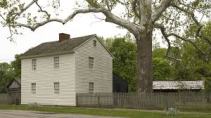
images-2“How will we live tomorrow in one word? Here! If we can make it work here, can we export it elsewhere?” – Docey Lewis, ‘microphilanthrocapitalist’ consultant to artisans in developing countries

“I was born to be here. I was labeled to a communist.” – Clement Penrose, great, great grandson of Robert Owen

“I don’t know what tomorrow will bring. But since I live in a Utopian community, I’m betting on a cure for cancer and the world will be a better place to life.” – Ken Baer, woodworker
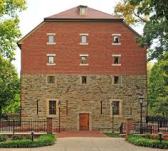
images-3“We’re going to live closer together. Technology is bringing us together – maybe on a collision course. This election is bringing us tight. We are shoulder to shoulder and will struggle right through it. If you put rocks in a tumbler, the sharp edges rub together. That’s what we’re doing now. I used to think that technology was divisive. Now I realize it brings things to light. Sunlight is the only disinfectant.” – Chuck Menand, retired

“I’ve always been drawn to unusual places. We are drawn to the quiet and the intellectual and the mystic. I have history here. I came here as a teenager. That draw is strong. I’ve had many moments of being terrified of this decision. Yet, sitting here, in this room, with so many interesting people, is why we’re here.

“I’ve lived in many progressive communities. Now I live here, in a community with truly different people. I look back at where I used to live and think, ‘that ironic thing, it isn’t working for us anymore.’” – Mark Chevalier, moved from Nashville with wife and three young sons one year ago

images-4“In Nashville, I couldn’t ride my bike, Now, I can go everywhere.” -Remy Chevalier, eight-years old

“I moved here ten years ago from Chicago, You arrive in a cloud of optimism. Now, I am more realistic. It is the most urban small town in the world. In this microcosm everything is magnified.” – Laura, artist

“We don’t live in town – town is too small and everybody is in your business. We live on a farm outside of Solitude. We like New Harmony because we don’t live in New Harmony where the Utopian society is always bumping up against the individual experience” – Bonnie Menand


“In 1971 my dad died. I got on a Schwinn and rode to Ogden Utah. I left at 170 pounds, I returned at 135. My mother died in 1993. I did 2000 miles for my dad; how many would I do for my mom? I rode from Bloomington to New Harmony. It spoke to me, I returned in 1998 and bought a house. For eighteen years every person in this town, except two who are both dead, supported me. Last year I lost my mate, but separation is not death. Everyday, I get support forimages-1 that loss in this town.” – Charlie Gaston, farmer

“I have two opposed ideas in my mind. Along one road I see the progressive element moving us in a positive direction. The second route is we let the loudest people to run the show. If we don’t object, they think we agree with them.” – Amanda Chevalier

“Can we have deep, substantial discourse from different perspectives? – Mark

“That’s a threat to the capitalist process as it exists today.” – Owen

“You are assuming the human element doesn’t exist.” – Laura

“We would seek out the most altruistic voices.” – Mark

“I don’t want to live in a place where everybody thinks alike.” – Laura

“I think you’re wasting your time pedaling, you ought to run for office.” – Ken


Posted in Responses | Tagged , , | Leave a comment

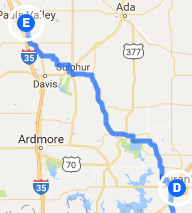
Trip Log – Day 358 – Durant OK to Pauls Valley OK

to-pauls-valleyOctober 28, 2016 – Sun, 85 degrees

Miles Today: 96

Miles to Date: 18,664

States to Date: 46

img_8190 

It was a great day to be a cycle tourist, and a great day for singing. I woke to a bright golden haze on the meadow. Yes, a bright golden haze on the meadow.

img_8192 img_8191

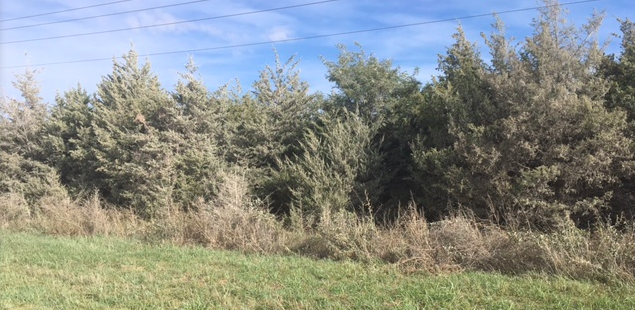
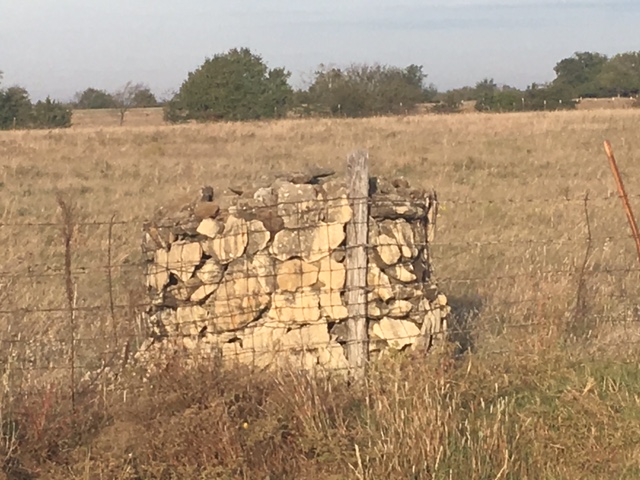
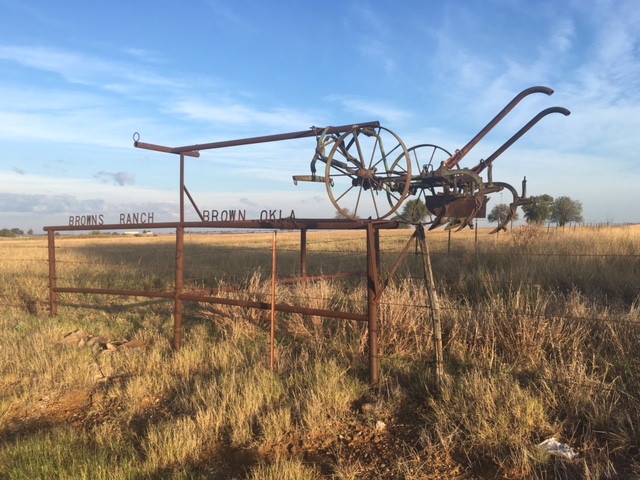
The ranches are immense, bounded by stone cairns and highlighted by rustic signs.

screen-shot-2016-10-29-at-7-07-09-am

Mill Creek has few people but several strip mines for limestone and silica. The dust from the Martin Marietta plant fills the air and coats the trees.

img_8196 img_8197

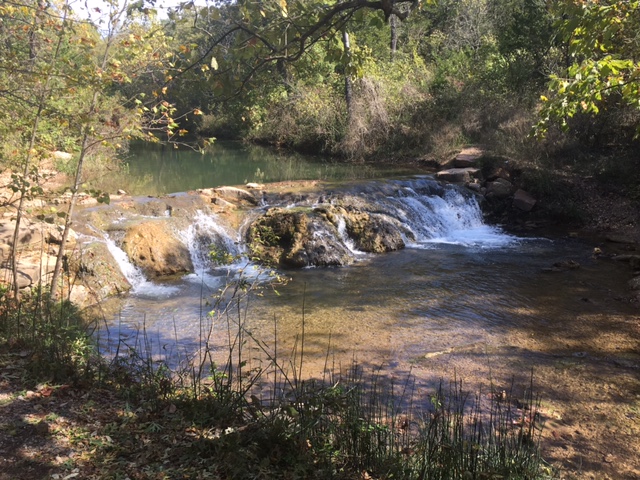
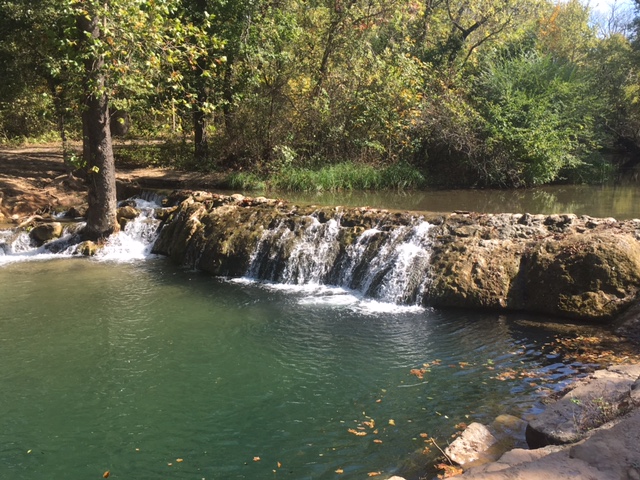
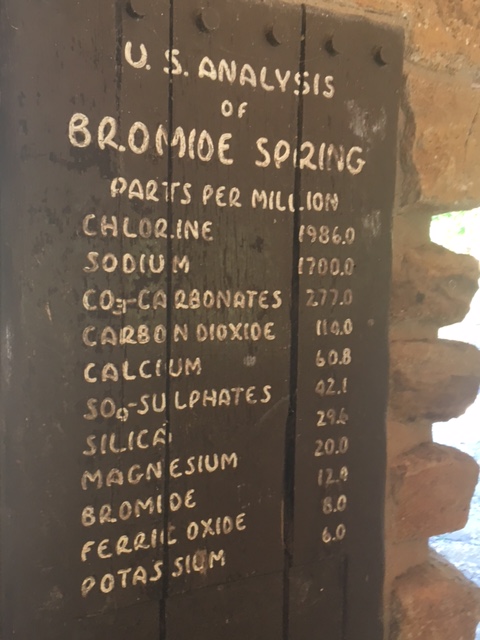
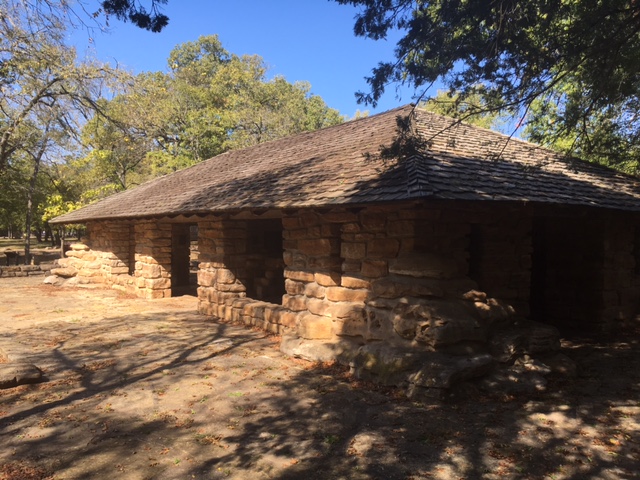
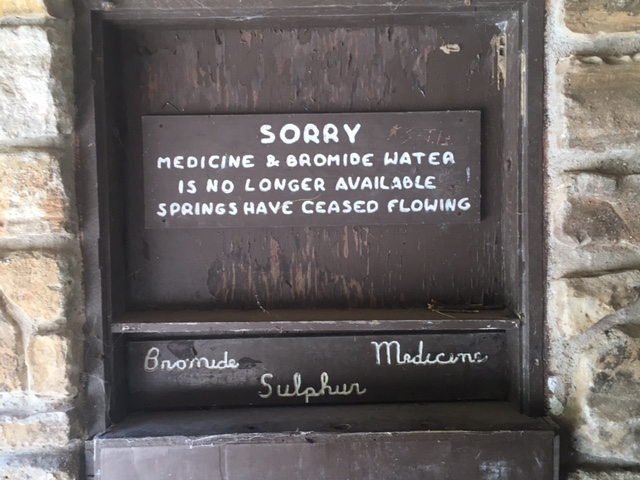
Chickasaw National Recreation Area in Sulphur has picturesque waterfalls. I pedaled five miles out of my way to indulge in the Bromide Springs that made the place a mecca for tourists over a hundred years ago, only to find that the springs have dried up.

img_8201 img_8202 img_8199

The Trail of Tears, in which the ‘Five Civilized Tribes’ (Cherokee, Choctaw, Creek, Chickasaw and Seminole) were resettled from their original lands east of the Mississippi to the area that is now Oklahoma, is an ugly chapter in our historical abuse of native peoples. Then, we infiltrated their new lands anyway. But the history and status of Native Americans in Oklahoma is quite different from other parts of the west because there are no reservations. Nine percent of Oklahomans are Native Americans, similar to South Dakota and New Mexico. Yet, they are much more integrated into society.

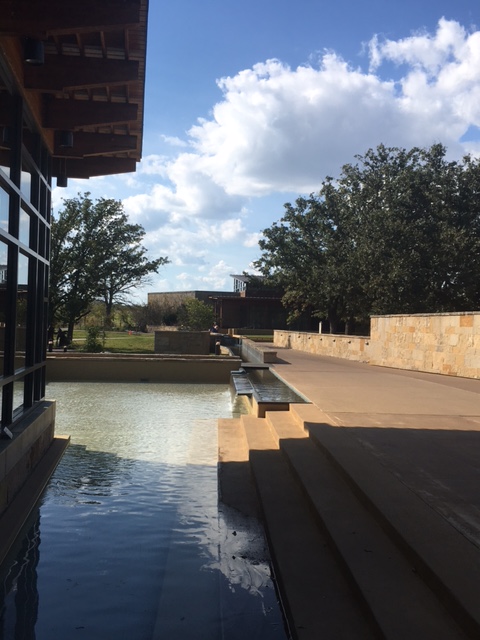
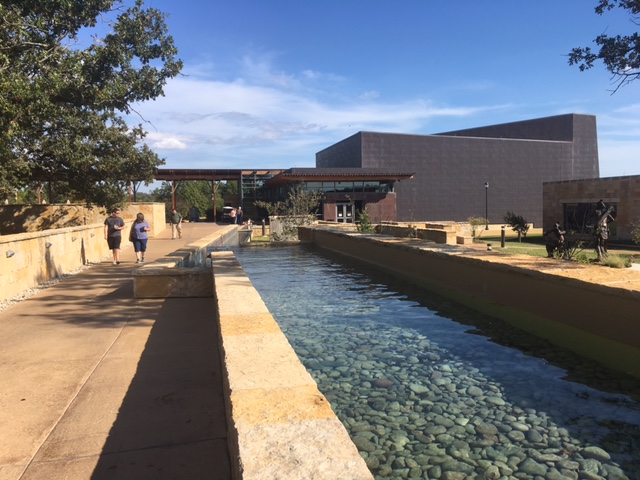
img_8205Given enough time histories losers can become big winners. Today, the tribes are cashing in our penchant for gambling. The Choctaw casino in Durant and the Chickasaw casino just north of the Red River are glittering places where, mainly Texans, pay Native Americans to spin and roll and poker. The Chickasaw have invested some of their profits on the Chickasaw National Cultural Center: a stunning series of pavilions organized around walks and water elements reminiscent of the Getty Museum with a Native American tilt. I was particularly pleased to see that Frankfurt Short Bruza, the Oklahoma City firm where I began my career, designed the elegant place.
img_8207

Indian summer prevailed, the wind remained at my back, and I reached Pauls Valley in daylight; a long travel day filled with worthwhile sights.


Posted in Bicycle Trip Log | Tagged , , , , , | Leave a comment