Trip Log – Day 360 – Norman OK to Oklahoma City OK

to-okcOctober 30, 2016 – Overcast, 75 degrees

Miles Today: 48

Miles to Date: 18,712

States to Date: 46

Oklahoma City went from 0 to 10,000 citizens in a day: April 29, 1889. For the next hundred years, OKC continued to be a boom and bust place: many credit the 1980’s recession with the failure of Oklahoma City’s Penn Square Bank.

img_8251In the 1990’s, while the city was still recovering from the fallout of Penn Square, Mayor Ron Norick and the Chamber of Commerce proposed MAPS (Metropolitan Area Projects), an innovative way to fund specific capital projects bundled together for broad appeal through a one percent city sales tax, overseen by a citizen’s committee rather than a government agency, and built with cash derived from the tax rather than bonds. Over the past twenty years, voters have passed three specific MAPS initiatives. In the process, OKC has boosted its urban core, diversified its economy, and become nationally known as both a progressive and easy place to do business.

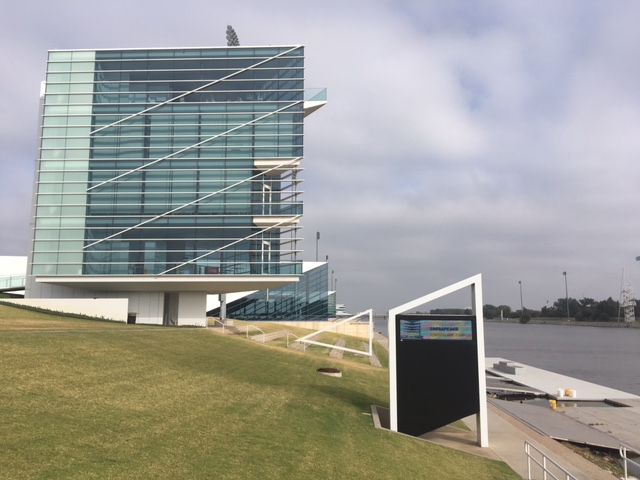
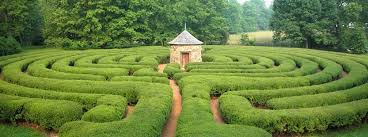
img_8258I cycled through downtown on a lazy Sunday afternoon, visiting the Boathouse District (OKC created a permanent basin off the North Canadian River to become the center of US Olympic Rowing), and Bricktown, a San Antonio-like canal and warehouse district.


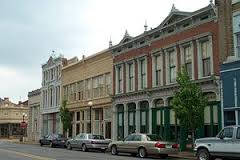
img_8260OKC’s initiatives are not limited to downtown. A few blocks from where I lived in the 1980’s an abandoned theater and grocery store became home to the Lyric Theater. The city throttled traffic and expanded the sidewalks. The Plaza District became the hot place to be in a city that, for many years, had few cohesive places at all.


Posted in Bicycle Trip Log | Tagged , , , , | Leave a comment

Profile Response: Amanda Rudy, Belleville, IL

HWWLT Logo on yellow“People are so much better than things.” Amanda Rudy’s philosophy keeps her surrounded by people. The night I visited, two of Amanda’s three housemates, her boyfriend Kyle, and friends Lisa and Kirk filtered in and out of the three bedroom house Amanda owns on a quiet street in Belleville. Her love of people also enables her to get things she enjoys. “My chicken coop, my back patio, my custom bathroom, my new trailer, all thanks to having housemates.”

Amanda, thirty something, studied architecture and worked for a firm in St. Louis for nine years. She recently moved to a firm on the Illinois side of the river. She can ride her bike, or her motorcycle to the office, which makes life easier, and more fun.

img_7197Amanda grew up in nearby Freeburg, on the same street as a red haired boy named Kyle who is now her boyfriend. Although they went separate ways for years and have only been dating three months, they have the warm familiarity of a content, established couple. Amanda’s longtime fiancé endured Cystic Fibrosis and died at age 29 when his body rejected a transplant. Kyle left a career in architecture to work in his family business. Having each other, and a faithful dog, feels like a good thing.

Amanda is a woman of action and personal improvement. She sews clothes, makes clutch purses out of pop-tops, grows vegetables, and keeps chickens. She provides eggs to the neighborhood. “Back yard eggs have twice the protein, half the cholesterol and three times the Omega 3’s of store bought eggs.”

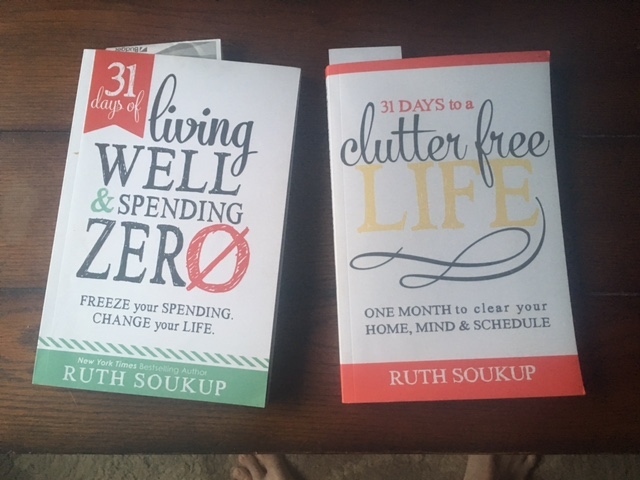
img_7198Her current focus is on reducing her stuff. “A clutter free room is a clutter free mind.” She read Ruth Soukup’s 31 Days to a Clutter Free Life, which induced her to take on 31 Days of Living Well and Spending Zero. She and Kyle are not spending any money in the month of September, except for what they can get by selling things they no longer want or need. There’s a pile of stuff in Amanda’s living room she’s selling on Craigslist to cash them through the month. “I am getting rid of things I don’t need and becoming more mindful.”

How will we live tomorrow?

img_7200“I have a gazillion ideas I can’t put into words. I’m into sustainability and am skeptical of our systems. It’s the same with people. We depend on people both too little and too much. We want to be independent until we are in need. I’m a country girl and a city girl. I want to blend the two.”

Posted in Responses | Tagged , , , , | Leave a comment

Trip Log – Day 359 – Pauls Valley OK to Norman OK

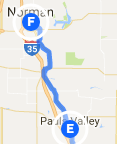
to-normanOctober 29, 2016 – Sun, 85 degrees

Miles Today: 60

Miles to Date: 18,664

States to Date: 46

Back in College Station TX I visited the land that inspired my New York born father to pioneer west. Our Conestoga wagon was a Winnebago. His strong-willed wife refused his lead and insisted we settle 350 miles to the north. Our homestead was not 160 acres, but a brick ranch that we could not inhabit until the bankers were satisfied. We did not circle the wagons at night; we parked in the Safeway parking lot. I did not rise with the dawn to help with chores; I unhitched my bicycle from the back of the motorhome and pedaled against the wind to school. To any rational 1971 eyes we lived in suburban America. In my fathers eyes we were battling the elements and conquering the West circa Oklahoma Land Run 1889.

imgresMy father’s business never prospered. The bank took back the Winnebago, then the ranch. My parents shuffled among houses and apartments all over town. My mother went to work. My father drank more. Eventually they split. The pioneer returned to New Jersey, his dream unrealized.

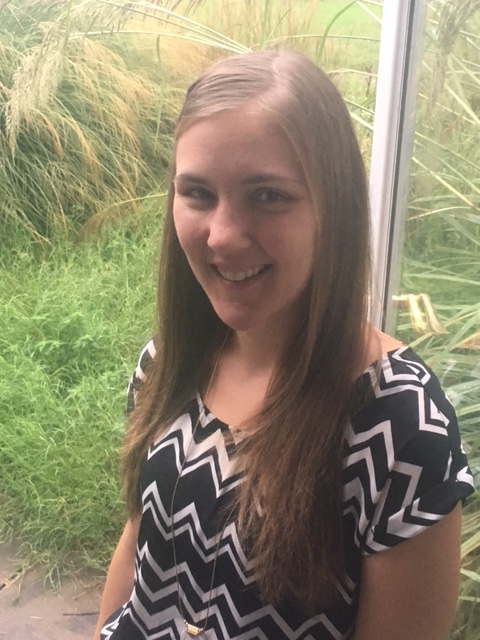
screen-shot-2016-10-31-at-3-36-04-pmMeanwhile, I arrived in Oklahoma with a mop of bad hair, a thick accent, and an urban attitude to match. But I thrived. I landed at University High School in the middle of my junior year, met great friends, dated a terrific girl whom I eventually married, and got accepted to MIT, in part, I am certain, because I applied from a geographically sparse niche. Less than two years after becoming an Okie I shipped out to college. My lasting lesson of heartland was appreciation for all regional attributes our country embraces and the conviction that our commonalities are more plentiful than those differences.

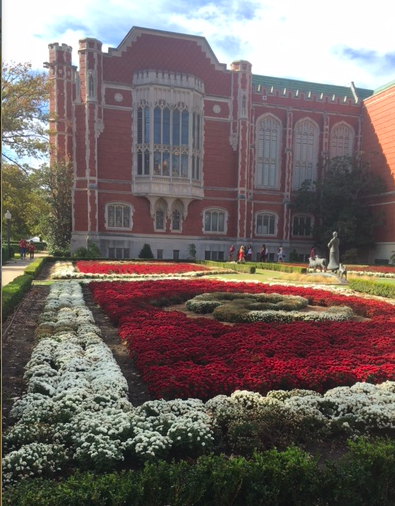
img_8225Norman’s physical fabric, so transformed between 1889 and 1973, has stabilized in the last 43 years. True, University of Oklahoma Football stadium is getting enlarged again, like an inflatable toy that refuses to pop: 87,000 seats plus an attached parking garage so fat donors can drive to their skybox. Sure, the commercial strip along I-35 is banal as any in America. But everything else is much the same. OU’s campus is still anchored by a pair of handsome ovals. Main Street storefronts survive despite the big box stores. The wooden bungalows in the older part of town still need a coat of paint. The brick houses in the subdivisions beyond appear smaller only because the trees have grown.

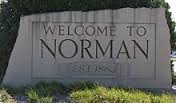
screen-shot-2016-10-31-at-3-32-36-pmI arrived on Homecoming Day. Campus buzzed with anticipation of the night game against University of Kansas. The parade down Boyd Street could have been a Jimmy Stewart movie: Pride of Oklahoma marching band, cheerleaders, Greek letter fraternities and sororities. But a few boys wore pink shirts with the OU logo, women with cropped hair held hands, interracial couples clapped along with everyone else, one Homecoming Queen candidate was from Mumbai.

When I first came to Norman Mumbai was Bombay, and we didn’t consider anyone from there pretty. Girl’s held hands as a joke, interracial couples hid, and boys’ didn’t wear pink shirts – period. The physical fabric of this college town may be little changed, but the society it supports has blossomed in directions this oxford-clothed high schooler could never have imagined.


Posted in Bicycle Trip Log | Tagged , , | 1 Comment

Profile Response: New Harmony Salon, New Harmony IN

HWWLT Logo on yellowThe weight of Utopia makes the air in New Harmony thick with promise, sweet with possibility. Although there are Indiana farmers born to this fertile land along the Wabash who adhere to red state politics with the same faith they till their fields, this town of 750 souls includes people from all over our nation who journey here to live in the sprit of industrious cooperation that marked the Utopian ideals of the original Rappist / Owenite settlers. New Harmony is more picturesque than most small farming towns. The state and the RL Baffler Foundation have preserved many of the historic sites and also supported impressive contemporary buildings and gardens. This has induced a steady but dedicated group of progressives to settle here.

On my night in New Harmony, a dozen or more local citizens, all transplants from somewhere else, gathered for food, drink, and conversation. Although some responded to my question directly, the nature of such groups led to more diffuse discourse. New Harmony is a community that was founded on a strong vision of tomorrow, so most any discussion here deals with the essence of my journey.

images

How will we live tomorrow?

“Your succinct question lays upon my mind. We are compelled to live here where we, in a microcosm, explore how we can live and extrapolate that to the larger world.” – Owen Lewis, great, great, great grandson of Robert Owen, Utopian thinker

images-2“How will we live tomorrow in one word? Here! If we can make it work here, can we export it elsewhere?” – Docey Lewis, ‘microphilanthrocapitalist’ consultant to artisans in developing countries

“I was born to be here. I was labeled to a communist.” – Clement Penrose, great, great grandson of Robert Owen

“I don’t know what tomorrow will bring. But since I live in a Utopian community, I’m betting on a cure for cancer and the world will be a better place to life.” – Ken Baer, woodworker

images-3“We’re going to live closer together. Technology is bringing us together – maybe on a collision course. This election is bringing us tight. We are shoulder to shoulder and will struggle right through it. If you put rocks in a tumbler, the sharp edges rub together. That’s what we’re doing now. I used to think that technology was divisive. Now I realize it brings things to light. Sunlight is the only disinfectant.” – Chuck Menand, retired

“I’ve always been drawn to unusual places. We are drawn to the quiet and the intellectual and the mystic. I have history here. I came here as a teenager. That draw is strong. I’ve had many moments of being terrified of this decision. Yet, sitting here, in this room, with so many interesting people, is why we’re here.

“I’ve lived in many progressive communities. Now I live here, in a community with truly different people. I look back at where I used to live and think, ‘that ironic thing, it isn’t working for us anymore.’” – Mark Chevalier, moved from Nashville with wife and three young sons one year ago

images-4“In Nashville, I couldn’t ride my bike, Now, I can go everywhere.” -Remy Chevalier, eight-years old

“I moved here ten years ago from Chicago, You arrive in a cloud of optimism. Now, I am more realistic. It is the most urban small town in the world. In this microcosm everything is magnified.” – Laura, artist

“We don’t live in town – town is too small and everybody is in your business. We live on a farm outside of Solitude. We like New Harmony because we don’t live in New Harmony where the Utopian society is always bumping up against the individual experience” – Bonnie Menand


“In 1971 my dad died. I got on a Schwinn and rode to Ogden Utah. I left at 170 pounds, I returned at 135. My mother died in 1993. I did 2000 miles for my dad; how many would I do for my mom? I rode from Bloomington to New Harmony. It spoke to me, I returned in 1998 and bought a house. For eighteen years every person in this town, except two who are both dead, supported me. Last year I lost my mate, but separation is not death. Everyday, I get support forimages-1 that loss in this town.” – Charlie Gaston, farmer

“I have two opposed ideas in my mind. Along one road I see the progressive element moving us in a positive direction. The second route is we let the loudest people to run the show. If we don’t object, they think we agree with them.” – Amanda Chevalier

“Can we have deep, substantial discourse from different perspectives? – Mark

“That’s a threat to the capitalist process as it exists today.” – Owen

“You are assuming the human element doesn’t exist.” – Laura

“We would seek out the most altruistic voices.” – Mark

“I don’t want to live in a place where everybody thinks alike.” – Laura

“I think you’re wasting your time pedaling, you ought to run for office.” – Ken


Posted in Responses | Tagged , , | Leave a comment

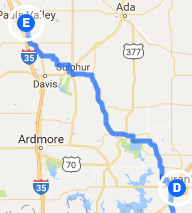
Trip Log – Day 358 – Durant OK to Pauls Valley OK

to-pauls-valleyOctober 28, 2016 – Sun, 85 degrees

Miles Today: 96

Miles to Date: 18,664

States to Date: 46

img_8190 

It was a great day to be a cycle tourist, and a great day for singing. I woke to a bright golden haze on the meadow. Yes, a bright golden haze on the meadow.

img_8192 img_8191

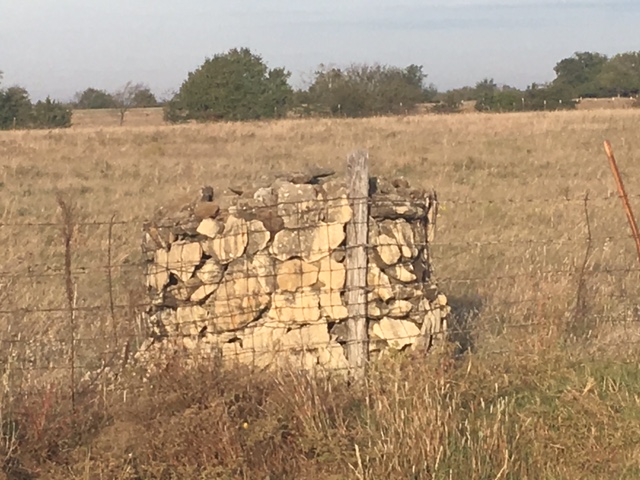
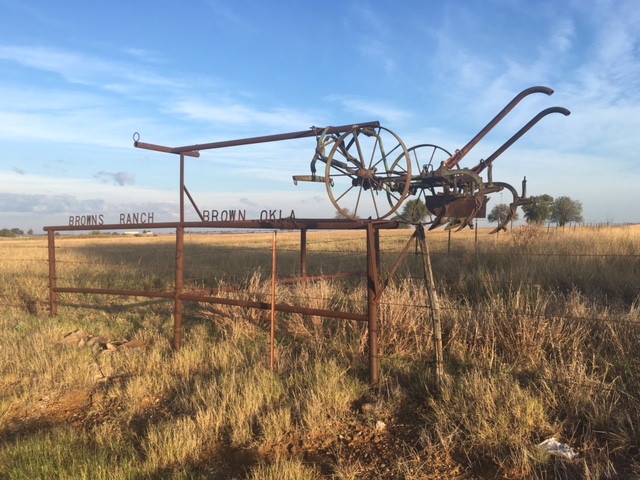
The ranches are immense, bounded by stone cairns and highlighted by rustic signs.

screen-shot-2016-10-29-at-7-07-09-am

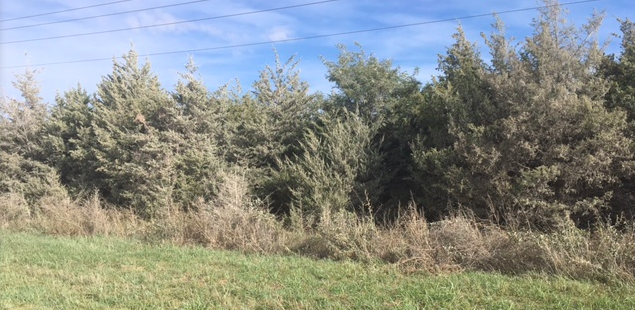
Mill Creek has few people but several strip mines for limestone and silica. The dust from the Martin Marietta plant fills the air and coats the trees.

img_8196 img_8197

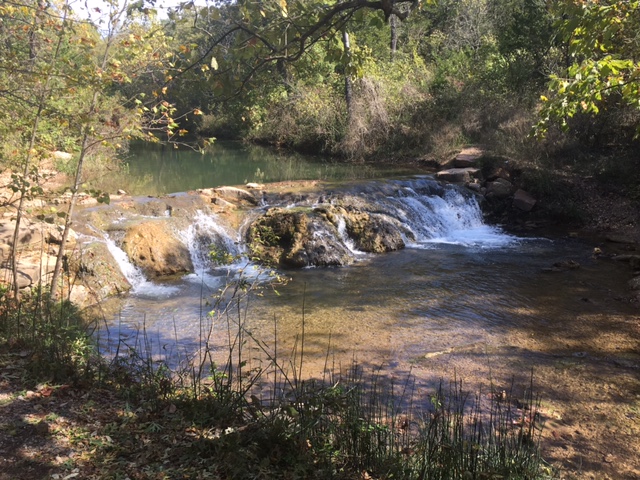
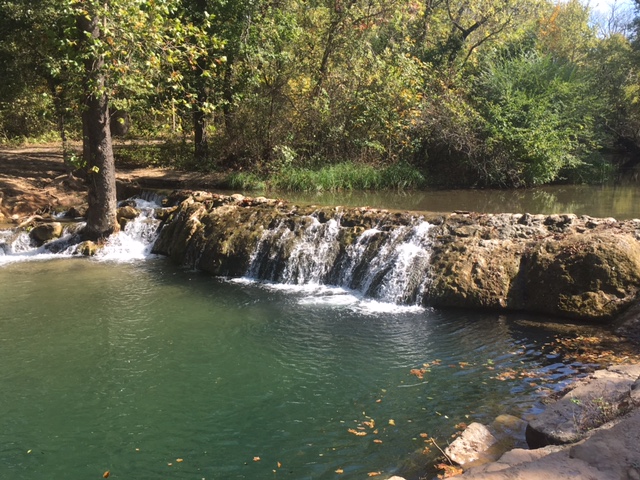
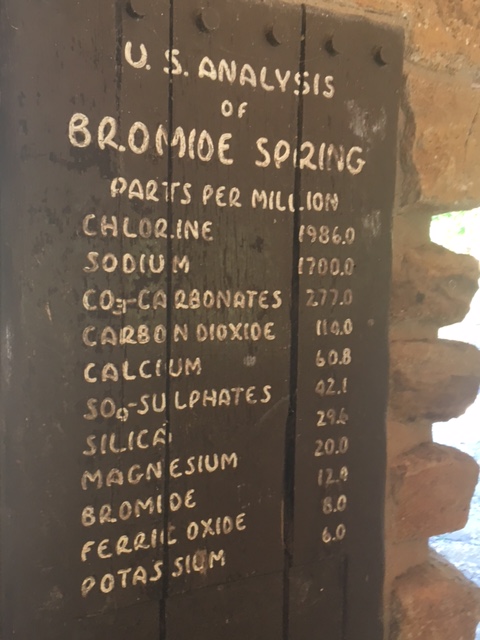
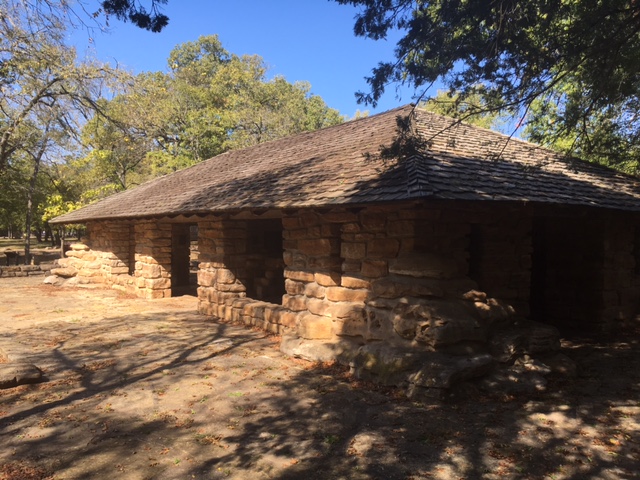
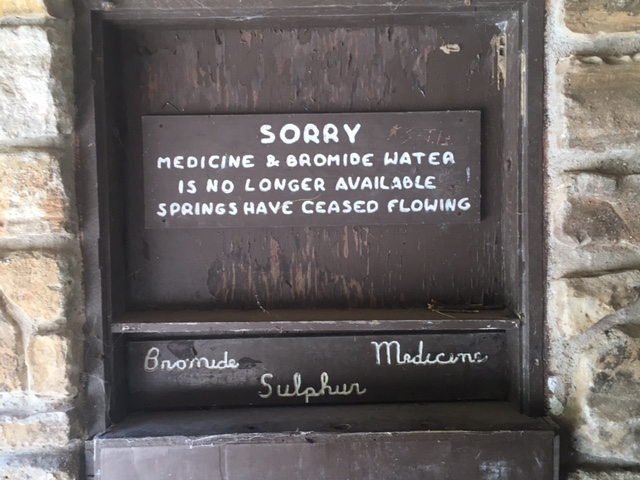
Chickasaw National Recreation Area in Sulphur has picturesque waterfalls. I pedaled five miles out of my way to indulge in the Bromide Springs that made the place a mecca for tourists over a hundred years ago, only to find that the springs have dried up.

img_8201 img_8202 img_8199

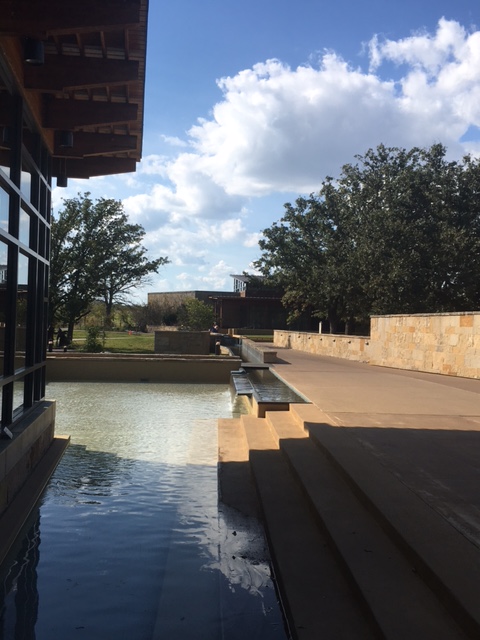
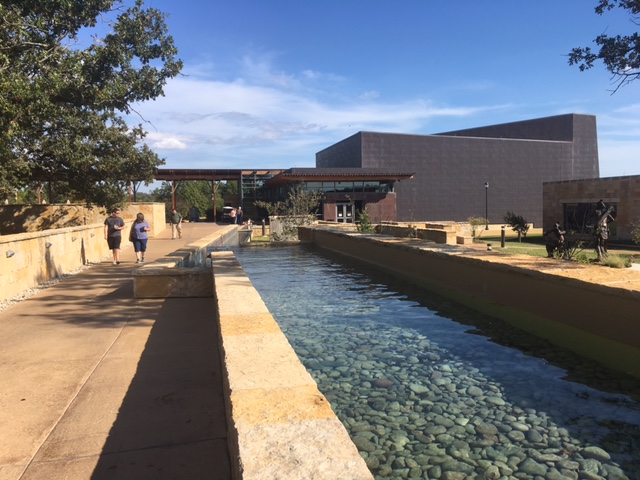
The Trail of Tears, in which the ‘Five Civilized Tribes’ (Cherokee, Choctaw, Creek, Chickasaw and Seminole) were resettled from their original lands east of the Mississippi to the area that is now Oklahoma, is an ugly chapter in our historical abuse of native peoples. Then, we infiltrated their new lands anyway. But the history and status of Native Americans in Oklahoma is quite different from other parts of the west because there are no reservations. Nine percent of Oklahomans are Native Americans, similar to South Dakota and New Mexico. Yet, they are much more integrated into society.

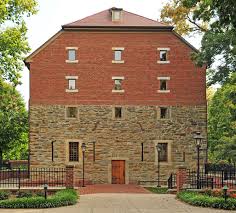
img_8205Given enough time histories losers can become big winners. Today, the tribes are cashing in our penchant for gambling. The Choctaw casino in Durant and the Chickasaw casino just north of the Red River are glittering places where, mainly Texans, pay Native Americans to spin and roll and poker. The Chickasaw have invested some of their profits on the Chickasaw National Cultural Center: a stunning series of pavilions organized around walks and water elements reminiscent of the Getty Museum with a Native American tilt. I was particularly pleased to see that Frankfurt Short Bruza, the Oklahoma City firm where I began my career, designed the elegant place.

img_8207

Indian summer prevailed, the wind remained at my back, and I reached Pauls Valley in daylight; a long travel day filled with worthwhile sights.


Posted in Bicycle Trip Log | Tagged , , , , , | Leave a comment

Profile Response: Sue and Bill Cherolis, Santa Claus IN

HWWLT Logo on yellow“The way the U.S. does CAFE standards is not good energy policy.” Sue and Bill Cherolis are techies of the old school variety. Bill was a metallurgist for a variety of automobile and steel fabrication plants. Sue was a lab technician in hospitals. But that does not mean they are aligned with outdated industrial policies. “In Europe there are no CAFE standards; they don’t need them. They just have better fuel pricing, which induces conservation. You don’t see a person driving a pick-up as a personal vehicle in Europe.”

Sue and Bill built a large house on a lake in Santa Claus about fifteen miles from BiIl’s last plant assignment, with an eye toward retiring there. Last winter, their first year of full retirement, they spent two months on the Gulf Coast. The rest of the year they enjoy Southern Indiana.

imagesThey recently installed solar panels on their house and Bill showed me the distribution curve of his solar daily collection. “We have net metering in Indiana, so the utility company buys what I don’t use. You have to have that system to make solar work.”

Sue and Bill have a daughter who lives nearby and one son who’s on his fifth deployment to Afghanistan: three while on active duty and now two while in the Reserves. Another son, Tony, lives in Hartford CT where he gave up a corporate job at Pratt and Whitney and sold his car. Now he rides his bike and works at the Latino Culture Center in Hartford. It takes all kinds. Sue and Bill host cyclists in appreciation of all the people who have hosted Tony in his travels.

images-1I asked Bill if he missed work. “There’s energy in problem solving. I was a manager; I had different work every day. I enjoy being retired, but I miss that energy.” Yet retirement presents Bill with a puzzle. “We’ve saved enough to live a long time. I just don’t know how to convince myself to start drawing down. You save your whole life; it becomes your way of thinking. You can’t just turn that off and start spending.”

How will we live tomorrow?

img_7143“I think the technology is going to take us places that we cannot predict. The future will be different.” – Sue

“I see a lot of turmoil on the immigration issue. We are a nation of immigrants. My grandparents came from Greece in 1914. My mother was a Smith; she came here in 1717. But they were all immigrants.

“I’ve heard of a truck convoy of semi’s where the lead is actually driving and the rest are automated. The steel plant I worked at in the mid-1970’s had 20,000 employees. Now it has 1700. It makes as much product, of better quality. Automation doesn’t get rid of all work, but it’s a different kind of work. It’s problem solving, not muscle.” – Bill

Posted in Responses | Tagged , , , | Leave a comment

Trip Log – Day 357 – McKinney TX to Durant OK

to-durant-okOctober 27, 2016 – Sun, 80 degrees

Miles Today: 75

Miles to Date: 18,568

States to Date: 46

Kudos to me: I have survived Texas yet again. The first time I exited the Lone Star State I enumerated the finer points of heckling. After 18,000+ miles, I’m keyed into the hazards cycle tourists face living on the shoulder. Pedal at your peril:

hazard-10

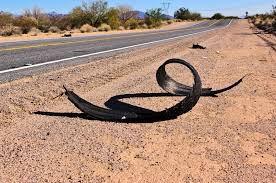
  1. Shoulder debris

hazard-09

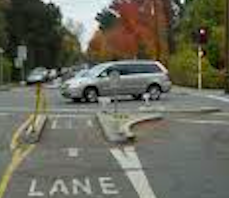
  1. Right turns from side street. Make eye contact with everyone entering from the right. Curse those tinted windshields.

hazard-08

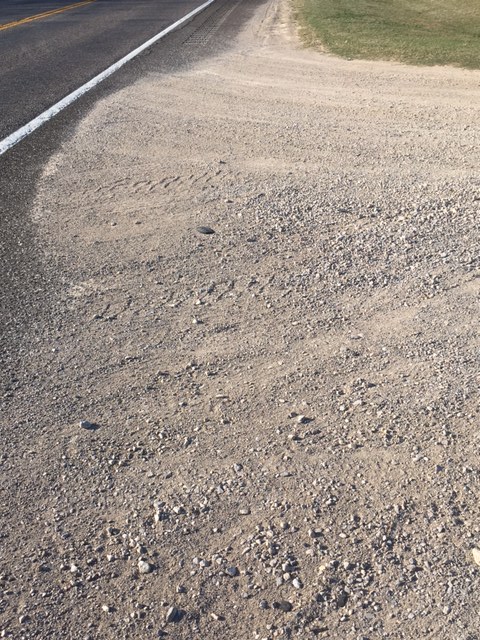
  1. Shoulder gravel. Slow down or skid.

hazard-07

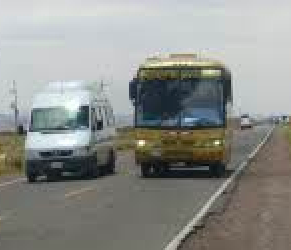
  1. Trucks passing cars in the oncoming lane. They gun right down on you.

hazard-06

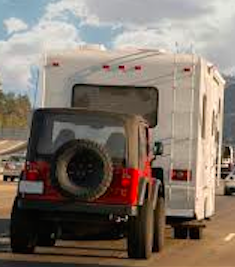
  1. RV buses pulling autos, usually driven by retired men without commercial license who are Masters of the Universe in their minds but don’t really understand how big their rigs are. Oh, and they sometimes forget to push the side steps under the chassis before pulling out of their driveway, which can clip you right in the ankle.

hazard-05

  1. Right turns from behind. People in a hurry, which is pretty much everyone, will not yield to a cyclist.

hazard-04

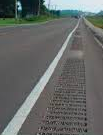
  1. Rumble strips in the shoulder. Instant migraine.

hazard-03

  1. Darting across a main road from a side street. Who looks for cyclists?

hazard-02

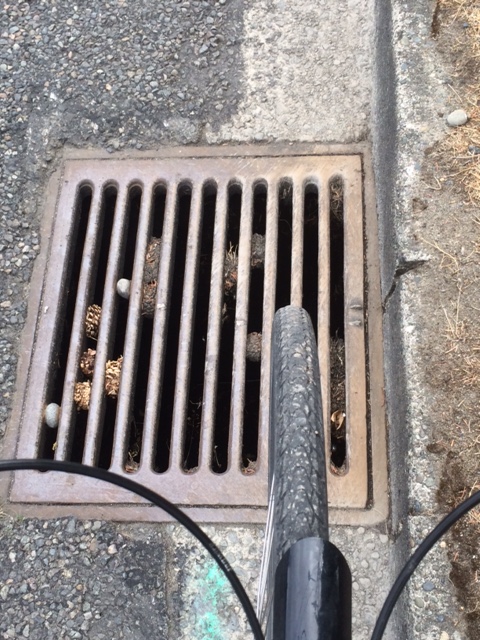
  1. Single direction drainage grates aligned with your tires. I yield to all drainage grates. Get your tire stuck in one of these and you’re flying over your handlebars.

hazard-01

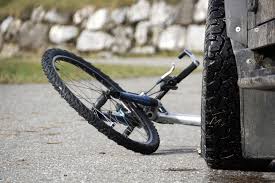
  1. Unsignaled left turns. Been there, done that. Can’t blame that one on Texas, but I am wary of it at every intersection.


Posted in Bicycle Trip Log | Tagged , | Leave a comment

Responses: How will we live tomorrow?

How will we live tomorrow?

“By overthrowing the democratic process, by rewriting the Constitution by rewriting the textbooks.”

Shane, beer chug contest winner, ace marksman, Lubbock TX

How will we live tomorrow?

“This is post-debate. I have made a career of helping others. I will continue to help people regardless of who is in the White House.”

Ben, two lattes to go, Albuquerque NM

How will we live tomorrow?

“When you look at that guy (Trump) you see an unhappy person. He touches a vein in all of us.”

Giuseppe, owner of Mimmo Espresso Albuquerque NM

How will we live tomorrow?

“By enjoying today.”

Lisa, fitness cyclist, Albuquerque NM

How will we live tomorrow?

“That’s a great question.”

Patrick, RV driver, Wagon Wheel NM

How will we live tomorrow?

“Hopefully at peace. At one with nature.”

Katie, dog walker, Albuquerque NM

How will we live tomorrow?

“One day at a time.”

Al, dog walker, Albuquerque NM

How will we live tomorrow?

“Hopefully, breathe.”

Tito, owner of Coronado Motel, which gives discounts to cyclists, Fort Sumner NM

How will we live tomorrow?

“I take that as an encompassing ‘we.’ I’m worried about the election. Not so much the outcome but the toxicity its generated, the latent racism, Muslim-phobia, that is going to drive our agenda. I’d like to think that if Hilary wins it’ll be fine, but I don’t think so. These forces still remain. For me, I’m here at a poetry conference exploring my creative side.”

Gary Alexander, poet, Ghost Ranch NM

How will we live tomorrow?

“I think about how I will live and I hope others will follow. I want a life that’s more authentic, what makes me tick as Tricia rather than mother, wife, and sister.”

Tricia Alexander, Indian bracelet wearer, Ghost Ranch NM

How will we live tomorrow?

“Hopefully in a more positive way than we live today.”

Lissa, reference librarian, Clovis NM

How will we live tomorrow?

“We can’t say.”

Rita York, Dave’s Foods, Fort Sumner NM

How will we live tomorrow?

“How do you deal with the weather? I’m freezing.”

Maria, on a 50 degree morning in Clovis NM

How will we live tomorrow?

“I don’t know.”

Tanya, Dinner Bell Restaurant, Muleshoe TX

How will we live tomorrow?

“One day at a time. I’m a free spirit.”

Jennie, Ace Hardware, Levelland TX

How will we live tomorrow?

“I saw this poetry / rap thing that was all about living tomorrow, following your dream. I want to do that, but now I’m in school.”

Kami, South Plains College music student, Levelland TX

How will we live tomorrow?

“Only God knows, and he’s not telling.”

Ed, retiree, Levelland TX

How will we live tomorrow?

“You are living tomorrow.”

Mario, drives a pink pick-up truck his lady rejected, Levelland TX

How will we live tomorrow?

“Wow. My grandkids will run me tired.”

Petra, Tienda’s Restaurant, Levelland TX

How will we live tomorrow?

“I will live as a hard-working man. I have two jobs to support a little girl who smiles because she loves the private school she goes to.”

Carlos, waiter at Leal’s, Clovis NM

How will we live tomorrow?

“How we live today.”

Lance, prepper, Hockley County TX

How will we live tomorrow?

“The futurist Esfandiary said, ‘Try as you might you cannot imagine how wonderful the future will be. Think of the caveman. He could never imagine how we live. We cannot imagine how we will live 100 years from now.’”

Randy, founder of Quest for Community Santa Fe NM


Posted in Responses | Leave a comment

Trip Log – Day 356 – Dallas TX to McKinney TX

to-mckinneyOctober 26, 2016 – Sun, 80 degrees

Miles Today: 44

Miles to Date: 18,493

States to Date: 45

161025-dallas-freewayScottsdale is stylish money, Boston is old money, San Jose is tech money, New Orleans is fun money, La Jolla is laid-back money, Altoona is hard scrapple money, East St Louis is no money. Dallas is simply money – lots and lots of money. One of my hosts, who’s lived here thirty years said, “I can never get over how much money there is in this city.”

img_8132 img_8131 img_8130

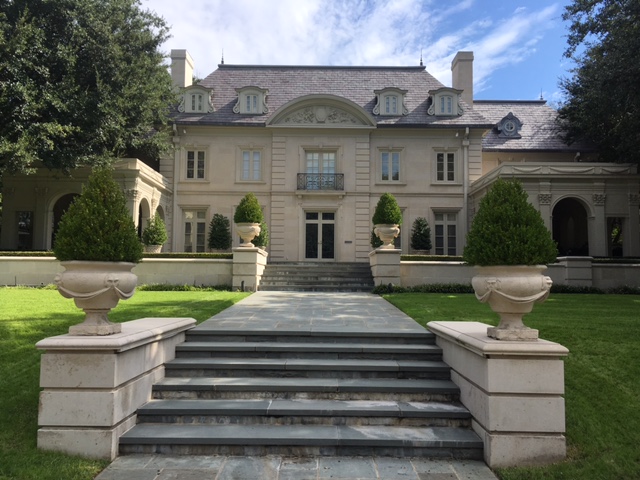
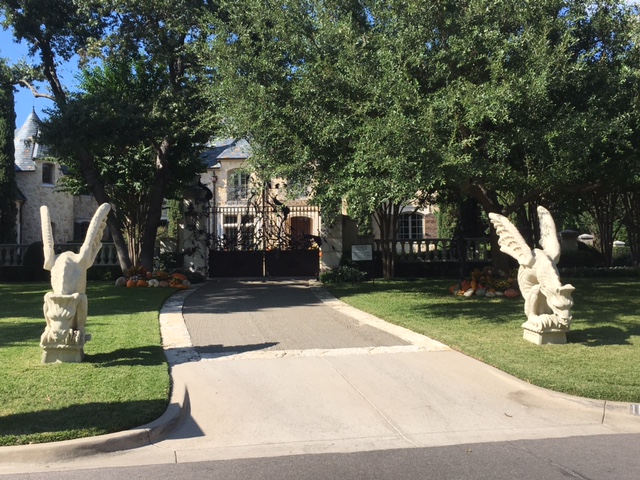
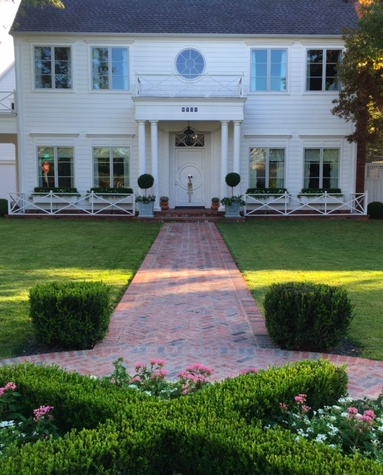
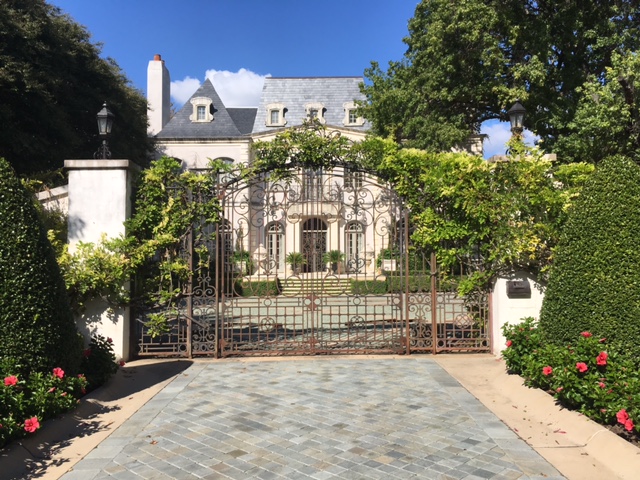
Indeed, my trek from Uptown, along Turtle Creek, through Highland Park, University Park and Preston Hollow, Northeast Dallas and Vickery Meadow, Plano, Allen and finally McKinney took me through miles and miles of million dollar homes. There are subtle differences among these neighborhoods. Closer in, architectural styles vary, but symmetry rules. Order conveys power.

img_8141 screen-shot-2016-10-29-at-6-33-27-am img_8139

Further out, everything is vaguely English and arbitrarily asymmetrical. Roofs have too many gables and hips to count. On one street, every single house had a turret. Which, of course, neuters the whole idea that turrets define corners.

screen-shot-2016-10-29-at-6-36-11-am

Rich people in Dallas buy what all America’s purchase with their money: privacy. As a result, it is rare to meet an actual human. Houses are self-contained and air-conditioned, garages are attached. There are few parks, few sidewalks, no place for a cyclist at all. People walk their dogs in the morning and evening, and offer uniformly pleasant greetings. Canines remain humanities best hope.
img_8142Of course, with money comes excess. Why place a pumpkin on your porch when you can scatter enough along your curb to feed an entire village in the developing world.


Before you decide I’m too harsh on The Metroplex, I will mention two things I absolutely love about Dallas.

imagesFirst, Steel City Pops, Lower Greenwood that serves up frozen concoctions for a mere three dollars. I will long remember my creamy pumpkin treat. At first bite you think, ‘I wish Steel City was everywhere.’ Then you realize, no, you are glad there are only a few locations for this unique experience.


img_8156 img_8158

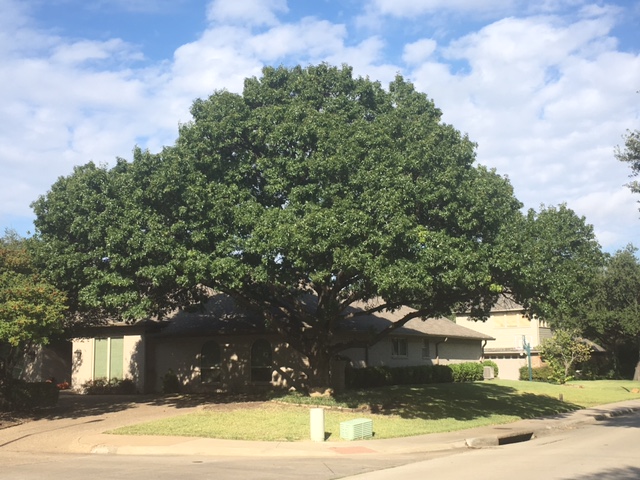
Second are Dallas’ commanding street trees: huge dome-shaped bouquets with wide arms that often span across the pavement. The best streets have one huge tree on each front lawn. In subdivisions of low-slung mid-century ranches, the trees create a canopy that links the shallow roofs. All Dallas really needs is for the citizens to come outdoors, sit in the shade of their magnificent specimens, and chat. It won’t happen; there’s no money in that.


Posted in Bicycle Trip Log | Tagged , , , | 2 Comments

Trip Log – Day 355 – Dallas TX

to-dallasOctober 25, 2016 – Sun, 75 degrees

Miles Today: 12

Miles to Date: 18,449

States to Date: 45 

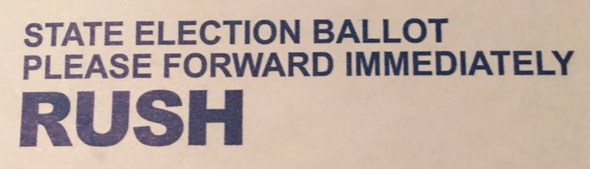
I voted today. It wasn’t easy: sending a letter to the Cambridge Election Commission a month ago, requesting a ballot mailed to an address where I would land after the October 12 mail out date with enough time for it to get back to Cambridge before November 8, filling in the oval circles, pedaling to a imgrespost office in Dallas, just to have my vote counted in a state where my ballot won’t possibly matter. Massachusetts is blue as the Texas sky.

By any economic measure, voting is a waste of time, unless perhaps you live in a swing state. But if I’ve learned anything in my year on a bicycle it’s that economic measures are often too meager. I take the time to vote because it’s a civic right; a tangible, if tiny, way to participate in our governmental process; a process that will only get better if more people vote. In a world where a mere 13% of people live in ‘full democracies,’ I vote because I can.

screen-shot-2016-10-26-at-3-51-49-pm screen-shot-2016-10-26-at-3-51-21-pm

I hope that you vote too, by absentee ballot, by early voting, or on November 8. It is our privilege. It is our responsibility. It is how we shape our nation.

screen-shot-2016-10-26-at-3-50-41-pm


Posted in Bicycle Trip Log | Tagged , | 1 Comment