Trip Log – Day 161 – San Francisco, CA to Pleasant Hill, CA

SF to Pleasant HillOctober 13, 2015 – Sun, 90 degrees

Miles Today: 10

Miles to Date: 8,436

States to Date: 25

Armistead Maupin’s Tales of the City began as newspaper stories about San Francisco, a place rich in variety and vignette. In just a few short hours today I chronicled a few of my own tales from this fascinating place.

IMG_4655 IMG_4656

I cycled down Haight Street, which may be faded but still has its place in counter-cultural lore.

IMG_4658I navigated The Wiggle, a bike route of lefts and rights that maintains a relatively flat grade in this city of monstrous hills.
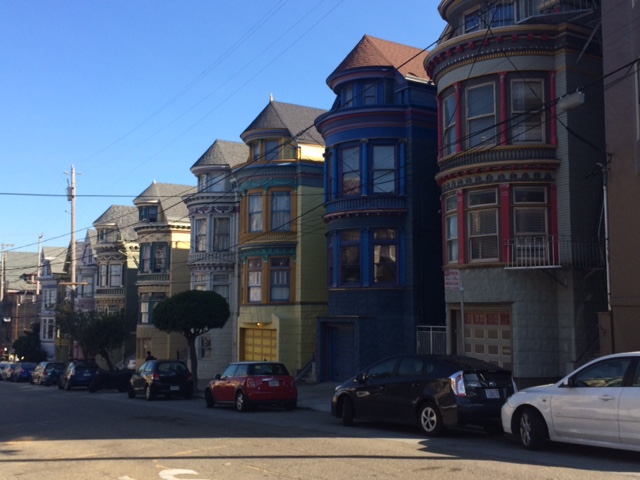


IMG_4657I appreciated beautiful painted ladies …

IMG_4659and visited a few other ladies as well – at Good Vibrations, a female-positive local chain of sex shops.

 

IMG_4660 IMG_4666

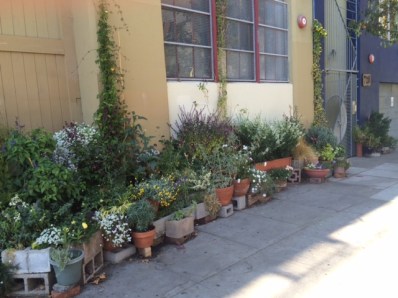
I learned that politics is a social activity in this city, and that gardens don’t need soil.

imgresI lunched at Salumeria in the emerging Mission District with Shannon Weber, an inspiring mother / social worker / artist whose loveyou2.org brings love and affirmation to people everywhere. She introduced me to kombucha, a locally fermented drink, though our barista told us that beet juice is the new rage.
IMG_4670 IMG_4668

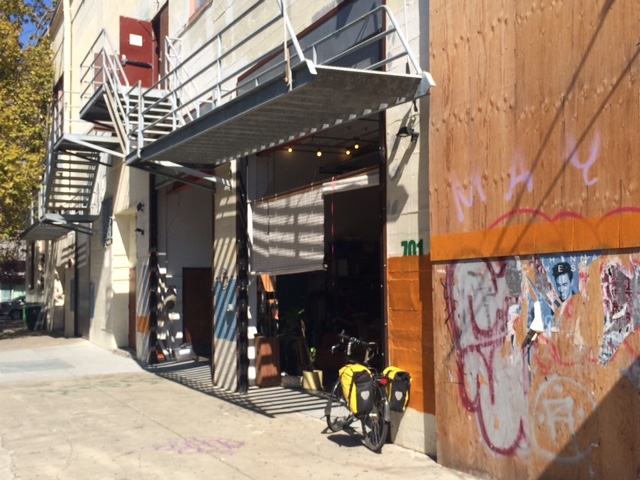
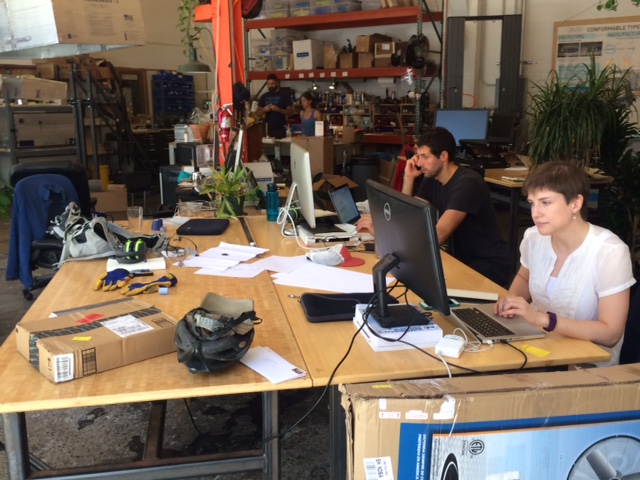
I couldn’t resist stopping at Volute, a tech start-ups at Otherlab where they work with their garage door open. Amy was happy to tell me all about their innovative CNG tank prototype configurations.
imagesBy mid afternoon I was overwhelmed by the energy of the city – and it was ninety degrees outside. Intellectually, I know that weather is not climate, but it has been unseasonably warm wherever I’ve been for three months now. This man cannot pedal his way out of global warming. So, since I had to take BART to get to the East Bay anyway, I opted to train all the way to Pleasant Hill, a distant suburb where I had a long overdue reunion with my good college friend Ed and his wife Daphne. Boston has its charms, but I would happily give up a few of them for a subway as clean and efficient as I enjoyed today.

Posted in Bicycle Trip Log | Tagged , , , , , , , , , | Leave a comment

Profile Response: Karen Maeda Allman, Elliott Bay Book Company, Seattle, WA


HWWLT Logo on yellow“May 2 of this year was Indie Bookstore Day. There are 17 independent bookstores in the Seattle area. Thirty-seven people visited every one of them that day. One of the stores over on an island opened at 8:00 a.m. That’s where the true indie lovers began their route for the day.”

Seattle is serious about books. People in Seattle buy and read more books than in any major metropolitan area of the United States. And they support local bookstores. Like many cultural affinities, these factors feed upon each other. An engaged readership patronizes good bookstores, which in turn cultivates more engaged readers.

imagesKaren Maeda Allman is the community relations and event coordinator at Elliott Bay Book Company, one of Settle’s largest independent bookstores. Karen is a Japanese-American who moved to Seattle from Phoenix to get a PhD. in nursing but became disillusioned with healthcare and drawn to the bookstore business. Karen also sells books at the store. “Everyone does that, except for the bookkeeper.” About 25 people work at Elliott Bay. Some of the staff moved to Seattle to work in an independent bookstore. Karen works closely with other bookstores and the public library system. “Seattle began the one book, one city program. Anything that gets people to read is good for everybody.”

imgresElliott Bay Book Company began in 1973 in a gorgeous old space in Pioneer Square. Through the 2000’s traffic declined, and in 2010 owner Peter Aaron moved the store to Capitol Hill. It was a logical choice, since Capitol Hill is near several universities and it’s 32,000 residents have an alternative vibe. Still, Karen tries to keep the store relevant. “We are a destination, a place to go to meet and mingle. People have gotten married in the store. We create live experiences with authors, and we offer an important third place to be: after home and work.” Since so many people don’t have traditional workplaces anymore, Elliott Bay’s comfy couches and inviting cafe offer an alternative to working from home. “People want us around, and they know they have to buy something to make that continue.”

IMG_3698About 250 new books are published every day in the United States. I asked Karen how Elliott Bay decides what to carry. “We buy for our neighborhood; the chains buy for the nation. Of course we carry James Patterson; one in seven hardcovers sold in the United States are his books. But we carry very different titles as well. We continue to listen to our customers. There is no lack of good books. Indies can help launch new authors. Right now there are many female musician books coming out. These provide us the opportunity to do both performance and book events.”

imgres-1Karen has been in Seattle long enough to reflect on the changes occurring in the city. “People are getting priced out of the city, and that is not good. Transportation-wise we are not a leader. We were late in getting light rail. Life is good here if you walk or bike to work, but you have a brutal commute in a car. Seattle has a tendency to talk rather than do. The city has a focus on Arts and History; that is good. But will it continue? The city demographic is skewed by whom the high-tech companies hire. Will we become a Bro/Dude city?”

How will we live tomorrow?

imgres-2“I’m 57. What do I know? Opportunities to connect are really important. Connecting intergenerationally is important. My co-workers are from 21 to 65. We have a full range of age and proclivity.”

Posted in Responses | Tagged , , | 2 Comments

Trip Log – Day 160 – Novato, CA to San Francisco, CA

Novato to SFOctober 12, 2015 – Sun, 75 degrees

Miles Today: 44

Miles to Date: 8,426

States to Date: 25

I’ve only been to San Francisco once, 37 years ago, before the city was so affluent and before I was gay. The alliterative repetition of the adjective ‘so’ cannot be used here because no one would say that I am ‘so gay’. Some say I am ‘barely gay’. I figure I’m gay enough for me. Perhaps a week in San Francisco will nudge that meter. We’ll see.

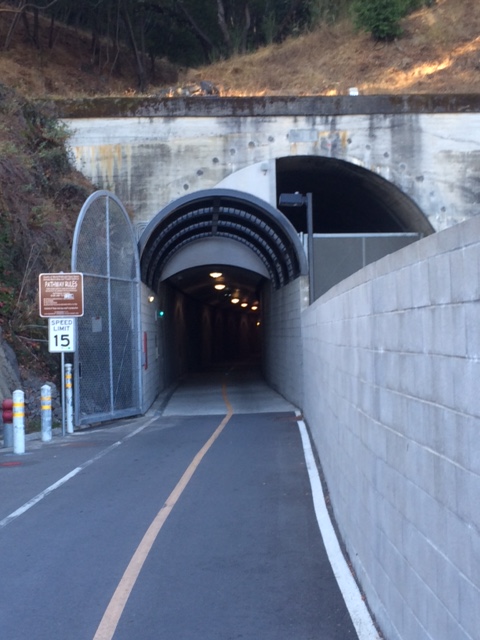
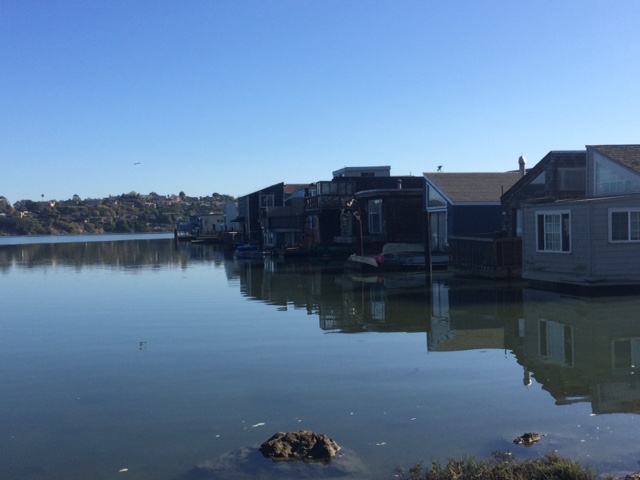
IMG_4624My cycling today was more of a saunter – I took my sweet time getting to the city and settling into my time here. Although I left before seven when my host went off to work, I stopped en route to visit downtown San Raphael and Frank Lloyd Wright’s Marin Country Civic Center. The bike path goes through a cool former railroad tunnel. Then I lost my way in construction and detoured through Larkspur, a bucolic morsel of wealth. I climbed Alte Camino to reach the bike path through Mill Valley and savored Sausalito. All those great house boats and houses on the hills.

IMG_4623 IMG_4628 IMG_4629

IMG_4633I was super excited to ride my bike over the Golden Gate Bridge, and apprehensive of the heights. Each expectation proved feeble. The bicycle and pedestrian traffic is huge; practically a parade. Ingoing bikes are to the far right of the trail, so I didn’t feel any height. Still, it’s an awesome bridge.

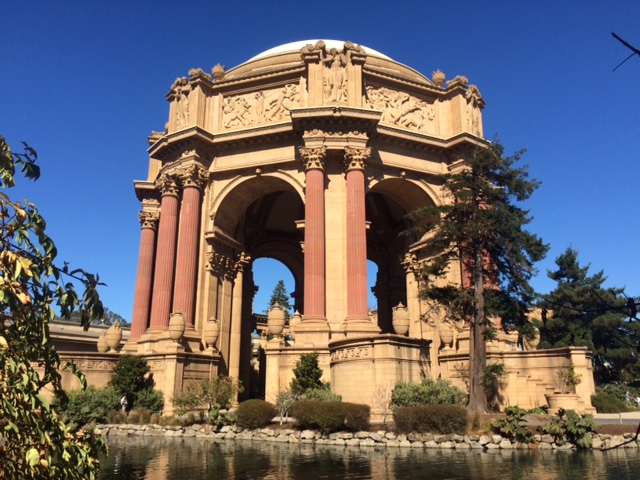
Once in the city, I loitered in The Presidio. I love the Palace of Fine Arts, the sole structure from the 1915 Pan-Pacific International Exhibit. It seems incredible that the event happened a century ago, and even more remarkable that the city orchestrated it less than a decade after the 1906 earthquake. Do we have any of the cultural chutzpah to pull anything like that off again, or is that sort of show relegated to totalitarian regimes? Regardless, all those columns and statues with no significance whatsoever enchanted me.

IMG_4640 IMG_4642

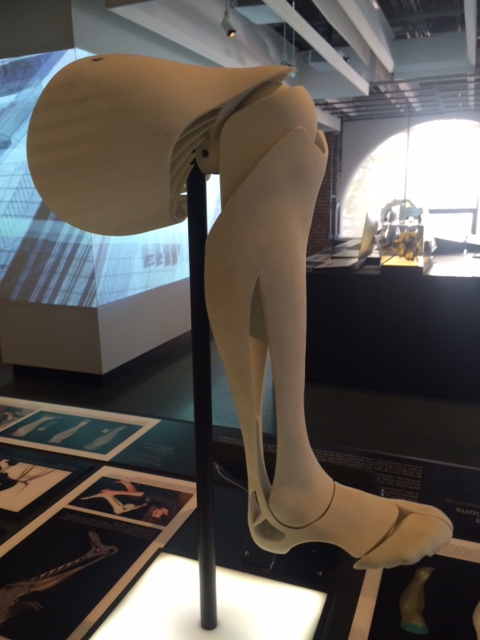
I stayed close the water, traversing Fisherman’s Wharf and the Embarcadero to visit the Autodesk gallery at One Market Street. As an architect I used Revit, Autodesk’s signature software. The gallery highlights a wide range of remarkable digital mapping applications, from customized prosthetics to a Biome car made from organic material that exhausts oxygen, to simple infant warmer for developing countries that have neonatal intensive care capabilities. Very cool stuff for a high-tech tomorrow.

IMG_4649 IMG_4647 IMG_4648

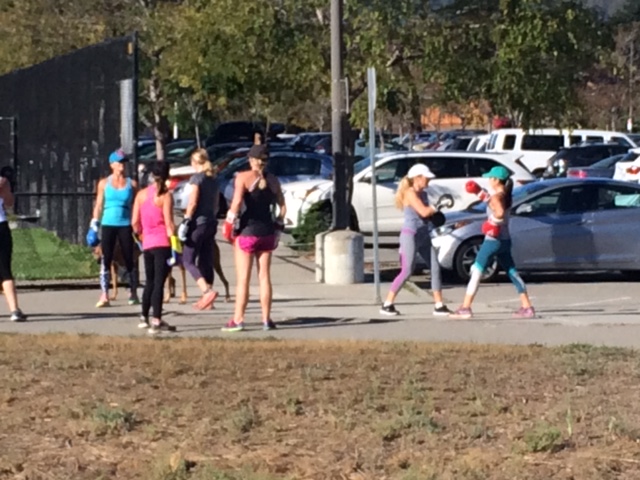
Two interesting side bars. Everyone exercises here, and it is intense. Crossfit everyhwere, women boxing, pumped guys preparing for fitness competitions.

IMG_4625 IMG_4643

Also, amazing how they build into these hills. So much excavation and concrete.

IMG_4630 IMG_4652

Finally, I made my way up Market, through the Castro, and over to Golden Gate Park before heading to my host’s home for the evening. Tomorrow I begin interviews in earnest.

Posted in Bicycle Trip Log | Tagged , , , , , , | Leave a comment

Profile Response: Valerie Wonder and Rekha Kovner, Seattle Public Library Seattle, WA


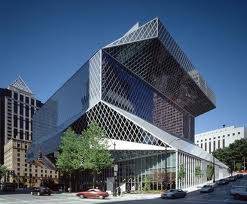
HWWLT Logo on yellowI appreciate days when I can land in a town mid-afternoon and take a writing break. My preferred location is always the local library. I have become accustomed to nice libraries. Over the past twenty years, Massachusetts offered cities grants to renovate or rebuild libraries; virtually every Massachusetts town has a state-of-the art library. As I’ve traveled west, I have been impressed by how many other cities and towns have impressive libraries. Poland OH, Livingston, MT, and Coeur d’Alene ID all have beautiful libraries. But few public libraries compare to Seattle, where the city passed a bond issue to renovate all twenty-three branch libraries. They also razed the 1960’s era main library and constructed an eleven-story architectural landmark designed by Dutch architect Rem Koolhaus in its place. I toured the building, which opened just over ten years ago, with Valerie Wonder, Community Engagement Manager: and Rekha Kover, Youth and Family Learning Manager. Along the way we talked about tomorrow.

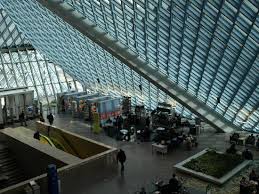
imgres-1The Seattle Public Library is an intellectual jigsaw puzzle; eleven laterally shifted levels encased in an angular steel and glass skin that contains almost 10,000 diamond-shaped glass panels. Two vertical elements – one a concrete set of stairs and elevators, the other a black column of stairs and services, plus columns skewed to various angles anchor floor plates that otherwise have little relationship to each other. Level 6 through 10 is the book spiral, a continuous ramp that marches through the Dewey decimal system to provide continuous access to the main collection. The building is simultaneously spacious (it‘s often possible to see through the entire space) and maze-like. Narrow ramps, imperceptivity shallow, create literally hundreds of discrete horizontal surfaces. It is architecture with a capital ‘A’. It demands to be noticed everywhere you look, with every step you take.

images-5 images

Neither Valerie nor Rekha were part of the building’s conception, but both have worked there for many years. They consider it both an honor and a challenge to work in a piece of distinguished architecture. They often give directions to baffled patrons, which enhances interaction. But they encounter people visiting the building to experience the geometry rather than to use library services. Now that the building’s first decade has passed, there is talk of making it more comfortable; creating interactive spaces in the stark children’s zone and enlivening the dynamic yet silent upper reading room. “85% of the people who use and work in the building love it.” Valerie asserts. Yet there is trepidation in her voice when she talks about changing this seemingly inflexible edifice. “We’ve been trying to do more programs in the plaza outside, but even the plaza is sloped. There are few flat places to set things up.”

imgres-2When we arrived at the top level, with its dramatic views down into the reading area as well as out toward the city, our conversation moved from the building to its function – the role of the Seattle Public Library. “So much of what I think about in the future of the library will happen beyond these walls. Seattle is an affluent and growing city, yet we see the income disparities that other areas experience as well. We are committed to reaching everyone. For the most challenged members of our community that means going outside the library.” Seattle Public Library still has bookmobiles and a mail order service for movement impaired people. More recent programs include Wi-Fi hot spots that can be checked out like books, and digital access training in the community. And my favorite, a program of mobile libraries by bicycle!

How will we live tomorrow?

images-4“Thinking about the impact of our programs is important. Sometimes promoting equal access actually works against our intention. The week after we made circulating hotspots available, I was visiting a friend in his cabin and he said, ‘Look at this cool thing I got a the library; my own hot spot.’ The point of making those available was to spread Wi-Fi to the community that lacked it, not put it in the purse of those who already do. So we continue to tweak programs until they match our objectives.” – Valerie Wonder

“Libraries are embedded in a democratic ideal of equal access. Our concept of equal access has evolved to customizing access to different groups based on their particular needs. For years the rhetoric around library access was to engage the community and bring them here. Now, the focus is on going to the community wherever it is. Everyone is welcome here, but many can use our services and never come to this building. “ – Rekha Kover


Posted in Responses | Tagged , , | Leave a comment

Trip Log – Day 159 – Bodega Bay, CA to Novato, CA

Bodega Bay to NovatoOctober 11, 2015 – Fog and Sun, 80 degrees

Miles Today: 51

Miles to Date: 8,382

States to Date: 25

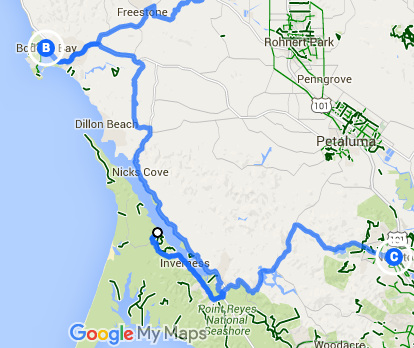
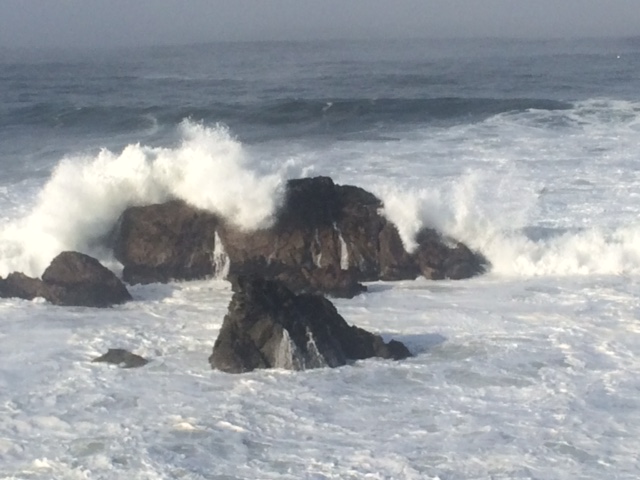
Today was a time of sun and fog and sun and fog and sun again. When I left Bodega Bay the indications for sun were high, as was the surf. But within a few minutes I was enveloped in fog along California Highway 1 for ten miles. Visibility was adequate, and the cool sea breeze wonderful for cycling.

IMG_4597

By the time I got to Tomales the sky cleared, the sun was bright, and the town was hopping with weekend tourists. I took several hours break and had a great visit with Abby, aka TrekkinLady, a young woman who has hiked the Pacific Coast Trail and Baja and is wrapping up a hike across Montana to Seattle followed by a cycling down the coast to San Diego.

IMG_4603 IMG_4601 IMG_4598

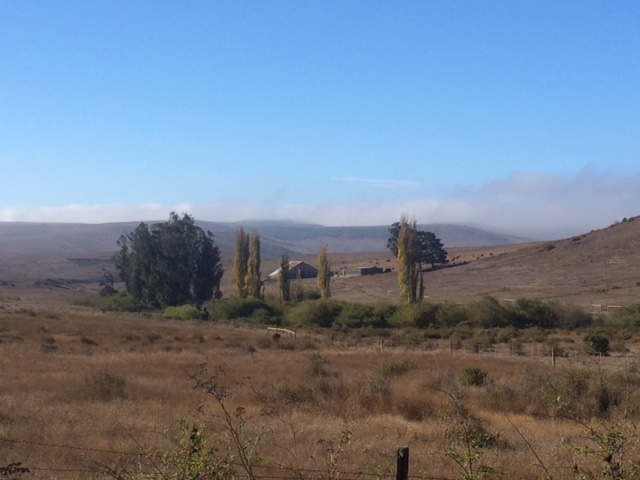
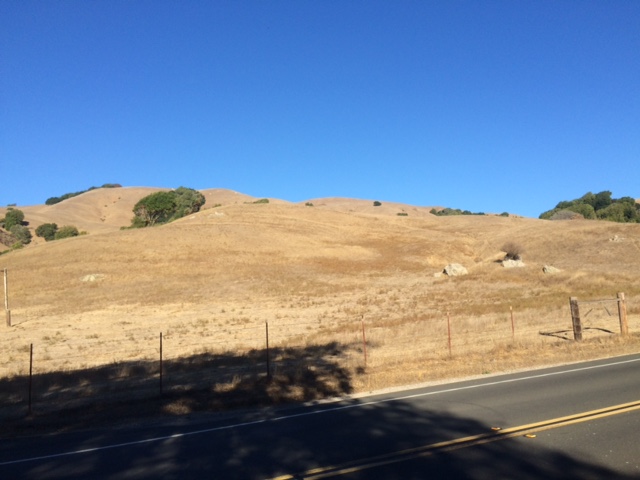
Fog set back in once I was on the bike, and stayed with me to Marshall, where I turned inland. The road away from the coast was steep, but the wind was at my back and the fog dissipated as I climbed. This was my third day of traversing coastal mountains, and the most beautiful by far. I especially liked the long, slow descent into Novato. I find the bald brown hills with clumps of green against a crisp blue sky very satisfying. I actually feel nourished and full as I pass them rising around me.

IMG_4609 IMG_4607 IMG_4619

A friend of a friend was a gracious host and had a completely unique response to my question. I still get new responses every day. They help keep me fresh.

Posted in Bicycle Trip Log | Tagged , , , , | Leave a comment

Profile Response: Mark Higgins, Opinion Editor, Seattle Times, Seattle, WA


HWWLT Logo on yellowThese days, Seattle has a good vibe. It’s growing, maybe too fast. It’s cutting edge, grunge and high-tech coexist happily. It’s both affluent and cool. People are passionate about their close-knit neighborhoods yet proud of their robust metropolitan area. Seattle has its problems, but the city’s upbeat attitude gives them a manageable perspective. Lots of people here lead interesting lives and do engaging work. Mark Higgins is one of them.

The Seattle Times is one of the largest family-owned newspapers in the United States. The Blethen family has owned The Seattle Times since 1896; the fifth generation is involved in running the paper today. Mark grew up in King County but moved away for a number of years and worked for Hearst Publications. “I felt they lost their way, that journalism was just a small part of their bottom line.” So he returned to Seattle where the Blethen’s are actively involved in their community as advocates of free speech and using speech to shape policy and direction.
images-1Mark is one of four editors charged with creating the editorial page, which includes articulating the Blethen’s editorial voice and editing opinion pieces written by others, including me. “To write is great. To work with writers is divine.” Anyone who invokes the divine in describing his work is a lucky man.

How will we live tomorrow?

Seattle Times editorial columnist Mark Higgins, Thurs., Dec. 18, 2014, in Seattle.

“My dad, who passed away last year, was a Norman Vincent Peale kind of guy, a Greatest Generation guy. He survived World War II, got a purple heart, was involved in Civil Rights and the 60’s. His optimism rubbed off on me. When I look around I see good things.

“I am a big believer in science. There will be solutions. I don’t know what they are but they will happen.”


Posted in Responses | Tagged , , , | Leave a comment

Trip Log – Day 158 – Santa Rosa, CA to Bodega Bay, CA

Santa Rosa to Bodega BayOctober 10, 2015 – Sunny, 80 degrees

Miles Today: 33

Miles to Date: 8,331

States to Date: 25

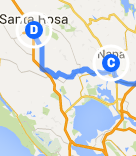
IMG_4561Every so often I have a yen to see the ocean, and I am always glad to make the trip. Santa Rosa was foggy this morning, and my warmshowers family was great fun, so I lingered awhile and indulged in my hosts’ morning habits – a wheat grass pill and green smoothie laced with ginger followed by a cabbage/sauerkraut/avocado/flax oil salad. The children gobbled it up, and I found it pretty tasty myself. Aaron rode me out of town and got me on the bike path to Sebastopol.

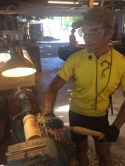
Sebastopol is a hippie place gone upscale. How else can you describe a town whose main supermarket is Whole Foods? I stopped by the Luther Burbank experimental farm on the outskirts of town, and stopped by a wood lathe artist’s shop participating in Sonoma County Open Arts Festival. Continuing west, the scent of the sea grew strong, as did the wind.

IMG_4570 IMG_4573 IMG_4572

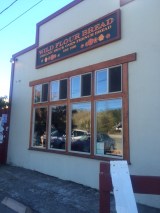
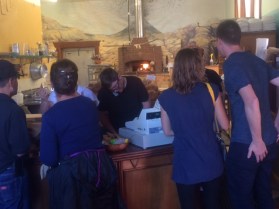
I stopped by Wild Flour Bakery in Freestone, after at least four people recommended it. The place was packed at 3 p.m. on a Saturday afternoon, and for good reason. The cinnamon bun was a meal, and I got a loaf of fragrant bread to bring my evening’s host, who was the first person to tip me off to this wood fired gem.

IMG_4578 IMG_4577 IMG_4576

IMG_4586Fueled by raw vegan energy and a giant baked sweet (a dietary conflict of the highest order) I began my serious climb to the coast along Bohemian Highway to Occidental. Coleman Valley Road is ten miles of cycling bliss with steep climbs, dark forests, and hairpin switchbacks that eventually lead to a broad heath of tall grass bent to the strong north wind. Jane Eyre would be at home here. I smelled the ocean for miles before I actually saw it. The road rose to false peak after false peak until, finally, the Pacific glistened before me. I descended to Highway One and had an hour to enjoy the surf crashing into Arch Rock. My host gave me a wonderful dinner and good conversation in exchange for one stipulation – no interviewing. I took a Saturday night vacation from conversing with a pad and pen in my hand.

IMG_4593

Posted in Bicycle Trip Log | Tagged , , , , | Leave a comment

Responses: How will we live tomorrow?

HWWLT Logo on yellowHow will we live tomorrow?

“My wish is that all children be born into loving families where they can grow toward ‘who they need to be’. This would have a profound effect on how we live tomorrow. Our future would have limitless possibilities filled with kindness, integrity and love. “

Pat Bringenberg, School Administrator, Denver, CO

How will we live tomorrow?

“I am not afraid of getting old. I used to run a Senior Center. We had a woman, 100, who still came to exercise class. Now, I work here with seniors. I see every year getting better, every decade. We become freer, more fully ourselves.”

Cynthia Andrews, Coach at Iora Healthcare, radio host of Living it up after Fifty, Seattle, WA

How will we live tomorrow?

“Very blessed.”

Rachel, mother, Fresno, CA

How will we live tomorrow?

“I think we (society) must pull together with empathy and compassion for all, or we will crumble from greed and ignorance.”

Brad Simkins, online college student, Madera, CA

How will we live tomorrow?

“Tomorrow we will live in a very futuristic world. Many things will probably be extinct, but maybe technology will be so futuristic that we can live on other planets.”

Hunter Simkins, seventh grader Madera, CA

How will we live tomorrow?

“People need to stop just thinking about today and start thinking about today and tomorrow or we will destroy ourselves.”

Jasmine Simkins, payroll manager, Madera, CA

How will we live tomorrow?

“I am very concerned about water in California. I live on a walnut farm as a caretaker. My husband and I have been here 23 years. Two generations ago the aquifer was 30 feet deep. Now it is 300 feet deep. We need more dams and more water storage. If we turn the valley into a desert we’ll have to get our food from South America.

“We have too many people on earth. I believe in birth control, not abortion. I saw a diagram on the Internet. Now, you can’t believe everything you see on the Internet. But this diagram sowed that 48% of all deaths in the United States are due to abortion.

“I don’t want one world government. That’s where we’re headed.

“I speak for the average person.”

Anita, Wal-Mart shopper, Madera, CA

How will we live tomorrow?

“We believe that God can take us any day. We live every day as if it’s our last.”

Alex, college age protestor at Planned Parenthood, Fresno, CA

How will we live tomorrow?

“Being caring, responsible members of our families, our communities and our world and bringing out the best in ourselves and each other have got to be basic tenets..”

Jeanne Large, online blog reader

How will we live tomorrow?

“When I first came here there was no discussion of climate change. Now it is a recognized phenomenon.”

Melanie Thornton, surgical nurse, Wenatchee, WA

How will we live tomorrow?

“I have a lot ideas about tomorrow.”

Don, Volunteer Patrolman, Douglas County, NV

How will we live tomorrow?

“We have to give back to our community.”

Nancy, Volunteer Patrolman, Douglas County, NV

How will we live tomorrow?

“In Europe there is consensus about climate change. Now we’re working on solutions to burn less carbon”

Matt Jackson, long distance cyclist from England, Wenatchee, WA

How will we live tomorrow?

“Cycling puts us in a fundamental rhythm and connection to the natural environment. We need more of that.”

Nicholas Kazan, cycled from Portugal to Turkey along ancient Roman roads, Reno, NV

How will we live tomorrow?

“This is my last week. I’ve been here 32 years and I’m going on to a new career in real estate.”

Rico Leo, Smart Grocery clerk, Lodi, CA


Posted in Responses | Leave a comment

Trip Log – Day 157 – Napa, CA to Santa Rosa, CA

Napa to Santa RosaOctober 9, 2015 – Sunny, 90 degrees

Miles Today: 35

Miles to Date: 8,298

States to Date: 25

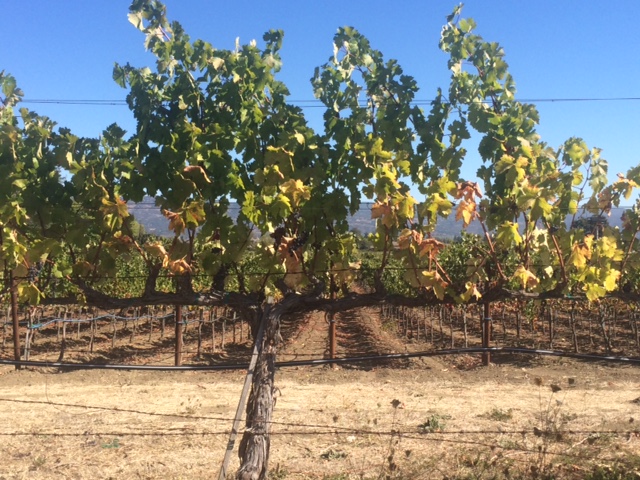
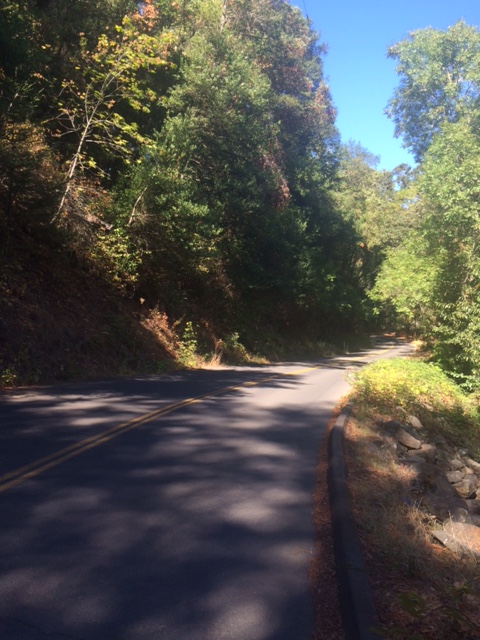
Ah, California living. I loitered at my warmshowers host’s home until eleven. Lindy made such a wonderful breakfast, showed me terrific photos of other guests, and her dogs are so endearing. Eventually I did head out and took the scenic, though challenging, ride up Dry Creek Road and down (as in 12% grade down) Trilogy Road to the Sonoma Valley.

IMG_4552 IMG_4554 IMG_4557

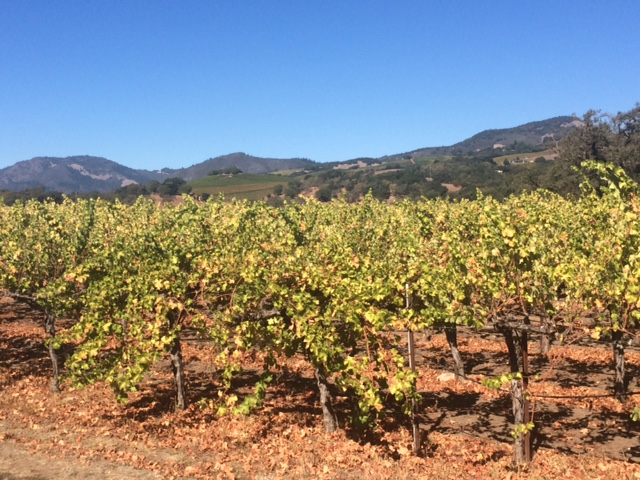
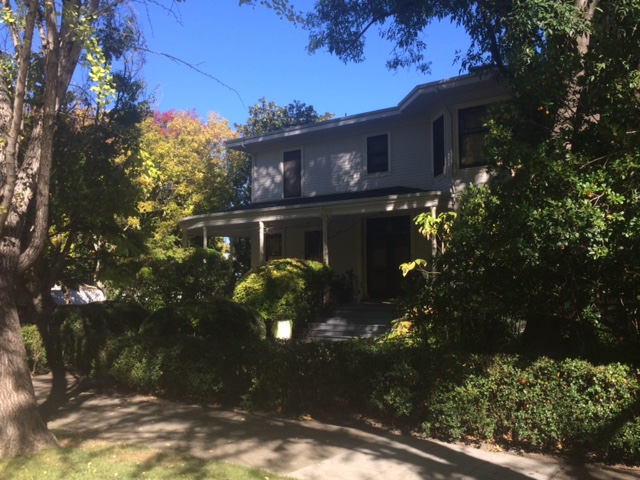
I am a useless person in wine country. I considered stopping at a vineyard, but just the idea of sipping wine on a hot sunny afternoon triggered a headache, so I enjoyed the scenery and cycled into Santa Rosa, which has some lovely historic homes.

images IMG_4559 images-1

My Santa Rosa hosts were quite unusual – a raw vegan family with five young children. I received a lovely gift basket of drawings from six-year-old Luna Bella and enjoyed reading to the others. After the children were in bed, Mariah, Aaron and I stayed up late discussing diet, life, and tomorrow.


Posted in Bicycle Trip Log | Tagged , , , | Leave a comment

Profile Response: Michelle Howe & Carroll Haymon, MD, Iora Health, Seattle, WA

HWWLT Logo on yellow“We spend five cents of every health care dollar on primary care. We are asking for ten cents. We will have to demonstrate that it’s a worthwhile expenditure. We are confident that we can.”

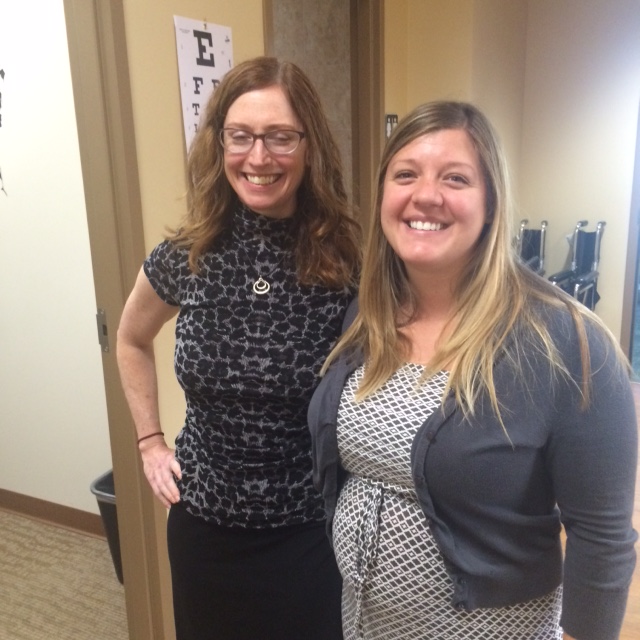
Carroll Haymon, MD spent the first half of her career as a family medicine and geriatrics specialist teaching medical students in a large healthcare system. “I trained people to care for patients in the way I thought we should. Then they had to work in systems that did not support that. So, I decided to spend the second half of my career working in a system that aligns with my beliefs.” Carroll just celebrated her one-year anniversary as medical director of Iora’s 23rd Street Primary Care Center, which began accepting patients last October.

IMG_3703What makes Iora different from other practices, more expensive at first glance but potentially cost-saving in the long run, is its team approach to care. Every day begins with an hour long ‘huddle’ where the entire team meets to discuss the patients scheduled for that day. Perhaps more importantly, they also discuss any patients in the hospital, those with special needs, and how they’ll address same day visits that day. The facilitation job rotates among the physician, heath coaches, social worker, clinical manager, and assistant who make up the team. The facilitators often include concerns relevant to their team role in the huddle. At the end of the hour, the entire group stretches with the movement of the week – lunges the day I visited – and is ready for their patient day.
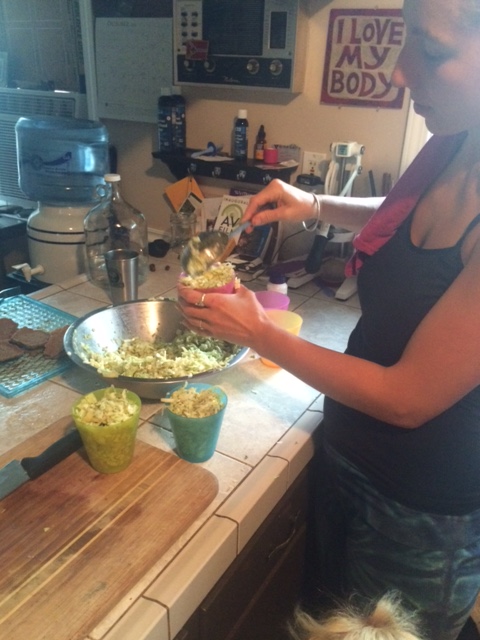
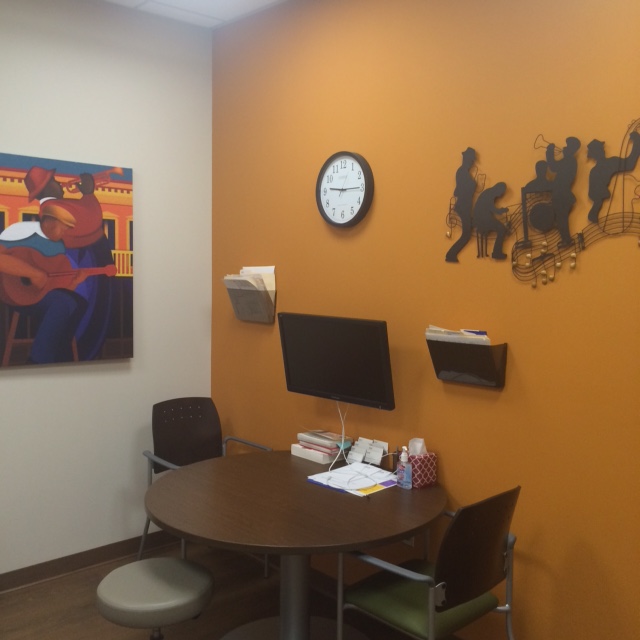
IMG_3708Iora’s teams see patients in a variety of settings within the facility. Exam rooms are large, 140 square feet, and centered on a conference space with shared computer rather than the exam table. Patient visits are an hour, not fifteen minutes, and the doctor and health coach visit patient and family together. Health coaches are a key component of Iora’s care model. They are not necessarily people with medical background; rather they are culturally connected to their patients (same language) and possess a high level of emotional intelligence. Iora’s center also includes consultation rooms with subdued lighting and group meeting rooms. They also provide home visits for certain patients.

The Iora care model is geared toward each clinic site having three teams serving 2000 patients, a much smaller ratio than most traditional practices. The idea is that such focused care at the primary level will significantly reduce emergency care, procedures and hospitalizations; the most costly components of our healthcare system. The clinic currently has 1100 patients and is building to capacity.

Iora Health Seattle it affiliated with Humana. All of Iora’s patients are eligible for Medicare Advantage Plan. The majority are seniors, though there are also younger people with serious medical conditions. These are complicated patients, the type who are often ‘frequent flyers’ in emergency rooms or develop serious acute conditions if they don’t have ongoing care support.

Iora currently runs twelve clinics around the country. The goal is to create a model of primary care that can be repeated in different geographic areas for different patient types. Iora doesn’t receive fees for service. Rather, it operates under a ‘capitation’ model. Humana pays Iora a fixed amount to care for their patients. This incentivizes wellness rather than procedures.

IMG_3704Entering Iora’s care center is nothing like a typical clinic with a reception desk. There’s a coffee bar with comfortable chairs and a table to one side where the receptionist invites folks to sit down. Michelle Howe, Clinical Team Manager, explains, “We want visiting Iora to be like going to a bed and breakfast.” Having a different look and feel is as important to their mission as having a unique approach to providing care.

I asked Dr. Haymon how the Affordable Care Act affects Iora. “ACA triggered the conversation about innovation. It prompted companies like Humana to invest in alternatives like Iora.”

How will we live tomorrow?

IMG_3709“Iora wants to change primary care as the foundation for changing healthcare.” – Michelle Howe

“When I think about how we will live tomorrow, I think about our aging population and how poorly we are prepared to care for older people. Healthcare is built on acute diseases. As we grow old, we have chronic diseases. One-third to one-half of all people over 85 has dementia. How are we going to help those people live better? – Carol Haymon, MD


Posted in Responses | Tagged , , , , , , , , , | Leave a comment