
 Bohemian. Transitional. Immigrant. Artsy. Gentrifying. Somali. Close-in. Far-out. There is no end to the adjectives that can be used to describe the Cedar-Riverside neighborhood, an enclave in the shadows of Minneapolis’ downtown towers. Twenty-six years ago a group of artists took over a vintage 1948 movie theater, tore out the seats, leveled the floor and began offering alternative live music performances. Now, the Cedar Cultural Center is national model for keeping live and local music vital, and a centerpiece of this neighborhood that refuses to die, or get too cleaned up.
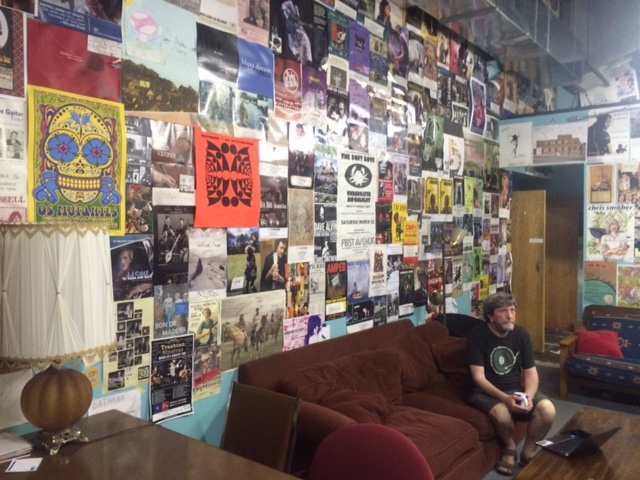
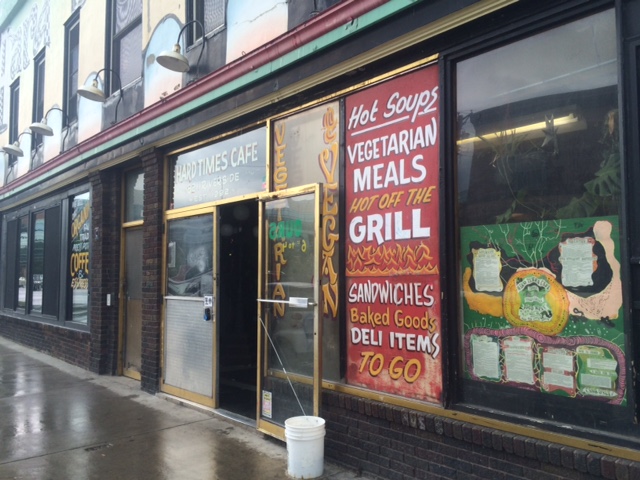 Brian arrived in Minneapolis from New Zealand nineteen years ago. Next month he will return to New Zealand permanently, “The winter has finally gotten to me.” He came to the United States, earned his PhD. in Genetics and worked in that field for some time. But he was always more interested in music. ”I started volunteering here. We have sixteen to twenty volunteers a night who set up, take down, and do everything in between. Sometimes we get to see the show, Or else, we get credit for another show.” Eleven years ago Brian began working at CCC full time; he’s now the House Manager. He met me in the lobby, offered coffee from the popcorn station, showed off the main stage, and invited me to the green room, where the walls are plastered with posters.
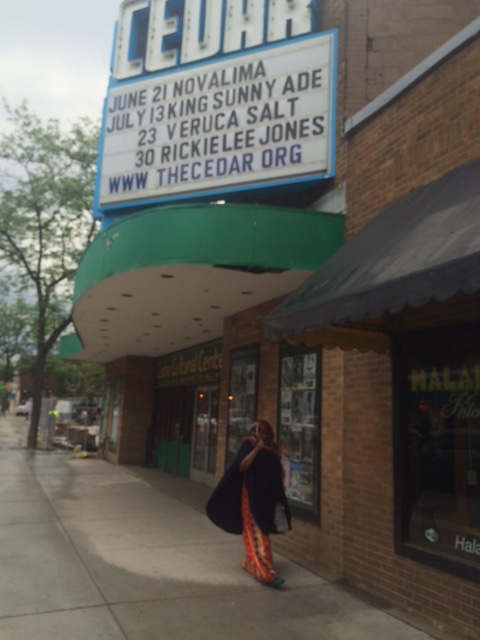 I asked Brian how CCC has evolved. “There are many more shows. We used to do 140 a year, now we do more than 250. We are also doing more shows at other venues. The CCC name has value, so we can be an incubator for emerging artists, even in other venues.” The main stage at CCC can sit 425 people, or accommodate 600 for standing performances.
“Our real growth is working with the Somali community. Cedar-Riverside is the largest Somali-expat community in the United States. Their musical culture has been hammered by conflict. Since we have a tradition of sponsoring local musicians, it makes sense that we sponsor Somali artists. Our ‘Midnimo’ program exposed Millennials to Islamic music. Now we’re seeing a cross-fertilization of Somali music with jazz and pop, which is new and exciting.
The local Somali community patronizes Somali shows as well as Reggae events. We have been offering free tickets to locals for other concerts to break down perceived barriers.”
 I asked Brian about the benefits and challenges of being a non-profit organization. “We don’t have to worry too much about commercial viability, which gives us more freedom in programming. We get about 65% of our revenue from ticket sales; the rest is from donations.”
What sorts of people donate to CCC? “People have profound experiences here. The artists appreciate this place. There is a need to break down prejudice and bring people together through music. This isn’t a place where middle class white people get their annual dose of culture. People like what we are about.”
How will we live tomorrow?
“We have to figure out a way to get along with each other. I see the value of places like this. I’m a PhD. biologist but my longest job is working at a non-profit music venue because I believe in it.
“How will we live tomorrow? It all depends on how well we succeed in our mutual venture. The issue I think most about is climate change – the paramount issue of our age, which must be addressed collectively. If we can pull that off, great. Otherwise, we’re not going to be living very well tomorrow.

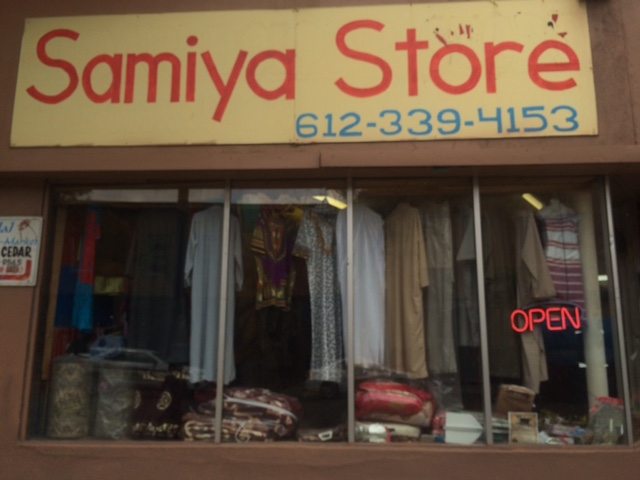
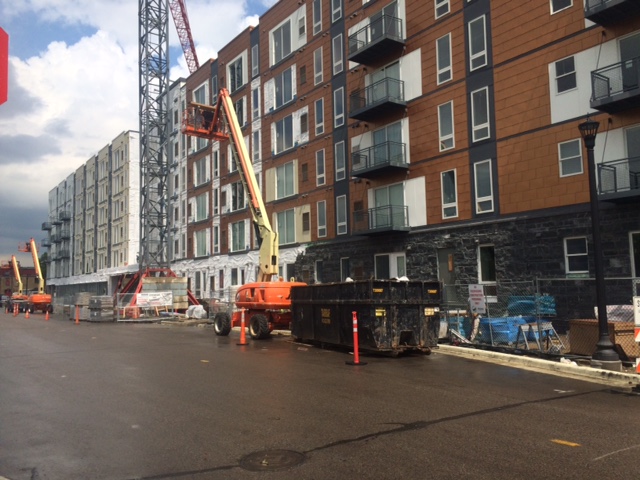
“In terms of this place, CCC is doing well. We have a big capital campaign going on, the first phase is the patio reconstruction you see outside. It will allow us to host outdoor performances, free performances that connect us to the community. The new condos signal gentrification, although the huge public housing complex around the corner makes this Somali central. It was Korean before and Swedish before that. This area was hippie heaven in the 1970’s, we have more music venues per block than anywhere in the Twin Cities. But I know when I come back five years from now, it will be more gentrified.”
 Duane indulged his wanderlust in 1998, when he took a year off and traversed the globe, trekking in India, South Africa, and Europe. His study is full of memorabilia from that period that still lives large in his psyche. Hearing Duane’s stories made me realize that I am in the middle of my own version of his yearlong adventure. More recently Duane’s adventures have been shorter but more intense; he rides ultra marathons, cycling over 200 miles in a single day.

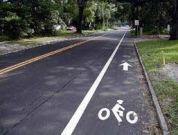 Dear highway engineers: Bike lanes marked on the road pavement are saver than bike paths set back from the street. This seems counterintuitive, but when I’m on the pavement, cars see me. When I’m set apart by a curb and grass strip, drivers aren’t looking for me at cross streets. My only mishap to date happened when cars at right angles were unaware of me coming off a bike path set back from the road.
 Dear people who consider bike paths routes for ten-year-olds to get to a ball game: Take the silly curves out of bake paths. Let us get from Point A to Point B with the same clarify that other vehicles use. If I want to zig-zag my path, I’ll play Candyland.
 Dear vehicle drivers: If a cyclist is riding along the shoulder and following the rules of the road – don’t honk! I don’t know if you are perturbed that I exist or are jealous that you’re stuck in your car while I’m in the open air. Either way, being honked at is unnerving.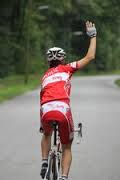

 “Our challenge is how to make the veteran’s experience relevant thirty years from now. What happened after World War II, when being a veteran was an almost universal experience, won’t happen again. The numbers of veterans is down; fewer people have direct connection to veterans.
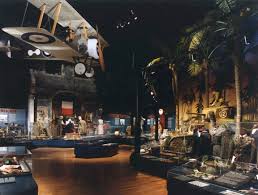 at are completely different from their previous life. This often includes combat, and culminates in a homecoming. It is a pattern of passages. Not all experiences are alike: the particulars of a World War II soldier and a Vietnam soldier and an Iraqi soldier are not the same, but the passages are similar.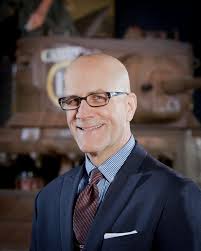






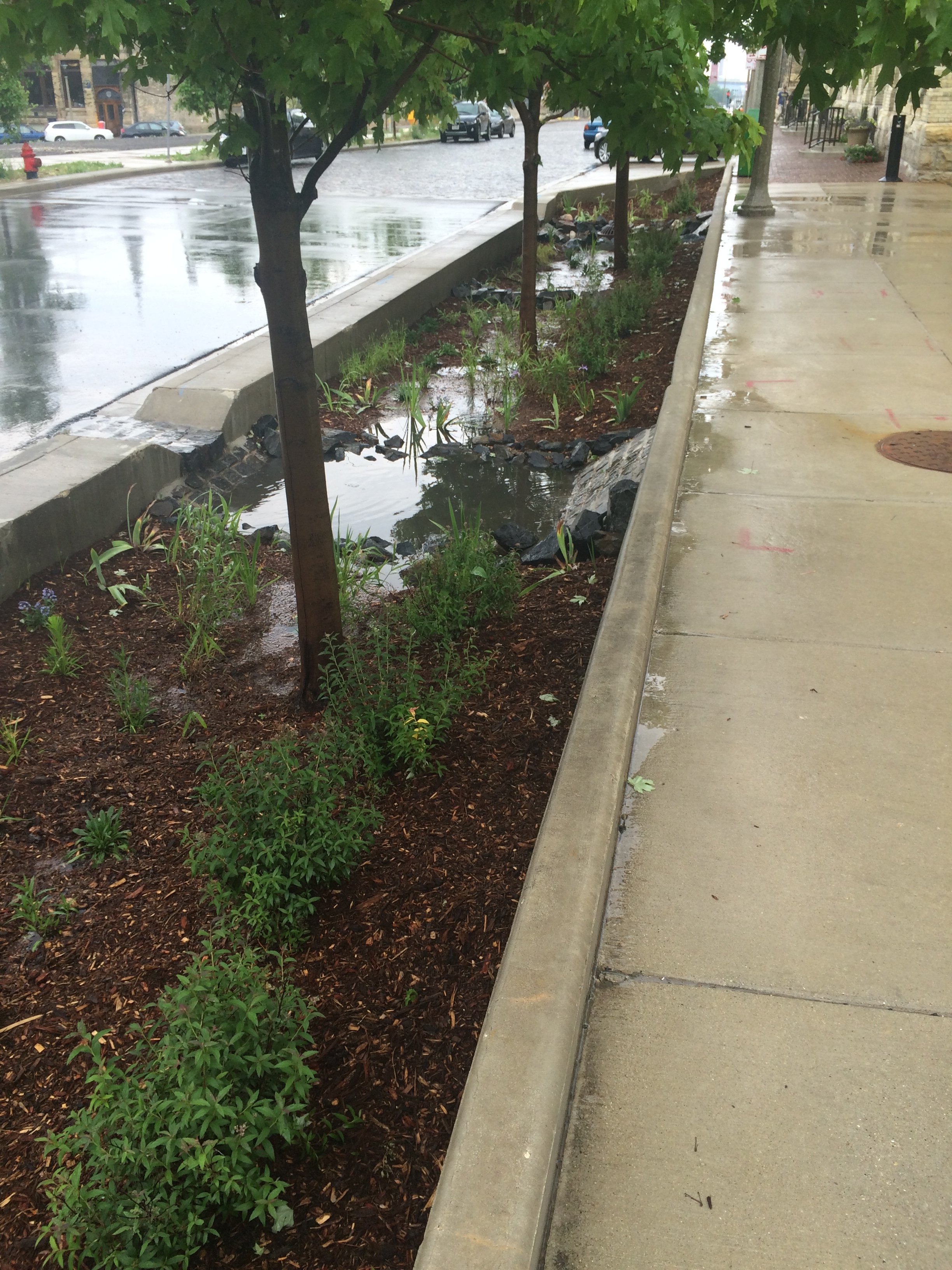



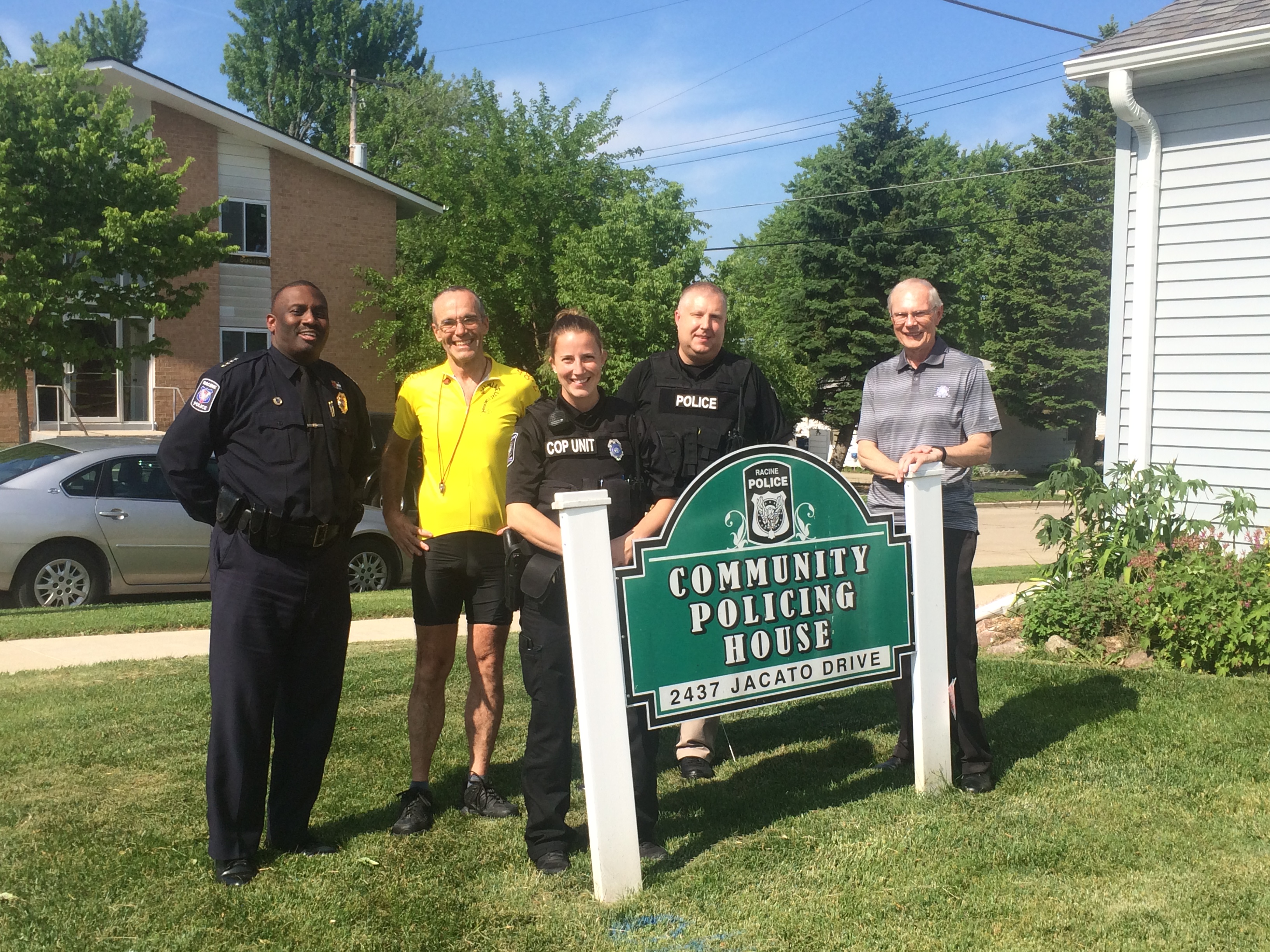
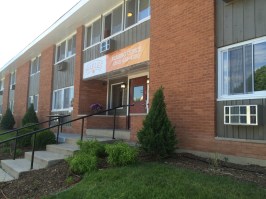 me construction, and the apartment buildings on Jacato Street have been gutted and are being renovated into market rate rental apartments.
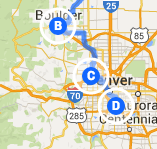
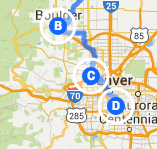
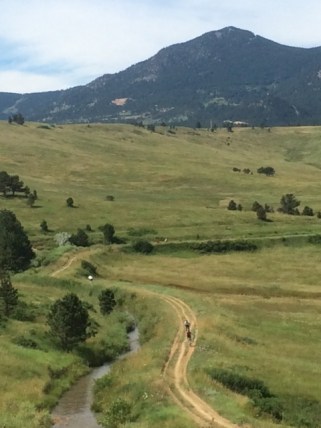 Boulder’s church aisle is a bike path. I saw more cyclists, on road bikes, dirt bikes, and mountain bikes, on one Sunday morning in Boulder than in the rest of my travels combined. There were plenty of cars too, laden with bike racks, as I climbed out of town on Highway 93. Even though it was a short day, I got a good workout; the wind was in my face the whole way.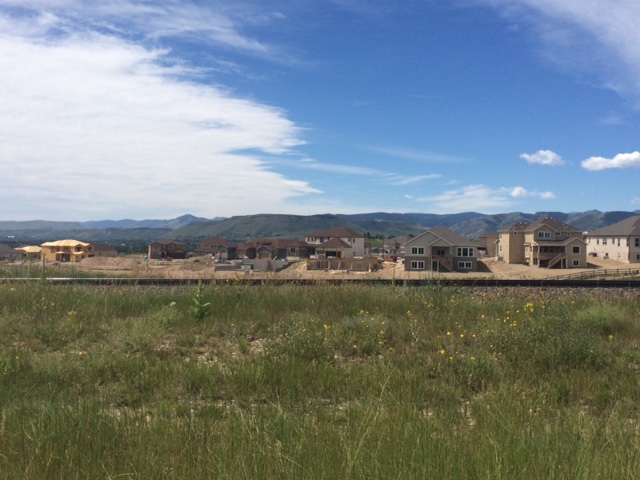
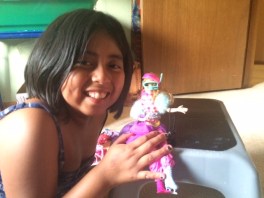 My eight-year-old niece Izzy is deep into Barbie. We spent an hour dressing and redressing her collection, eventually distorting our play into ‘What could get Barbie kicked out of the prom? Out of boarding school? And out of church? Bachelor uncles can be mischievous influences. After pizza and beer and s’mores on the backyard fire, we played cards until we were too tired to reminisce any more.
 How Will We Live Tomorrow?