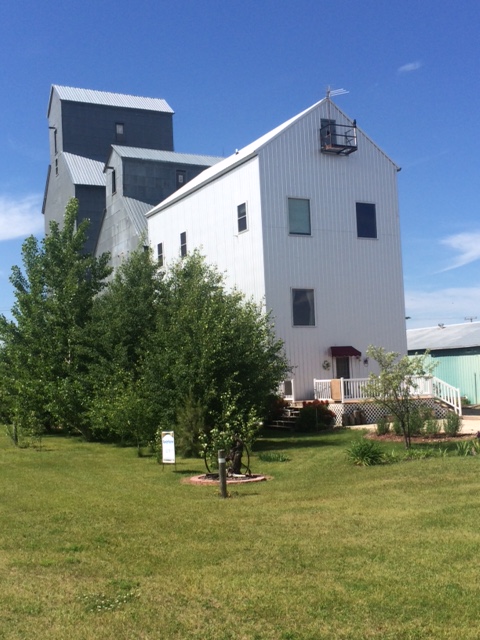
Cathy and Don Mayles are my housemate Paul’s sister-in-law Jean’s cousins. Hardly close relations, yet both Paul and Jean encouraged me to contact Cathy and Don, who welcomed me like family for a Saturday night in Norwalk, OH. Don grew up on the same street where they live; Cathy is from a nearby town. They met almost twenty years ago at a car show, clicked immediately, and have been married seventeen years. Life has handed them a fair share of challenges, yet they convey a quiet solidarity that together, they can surmount whatever comes their way.
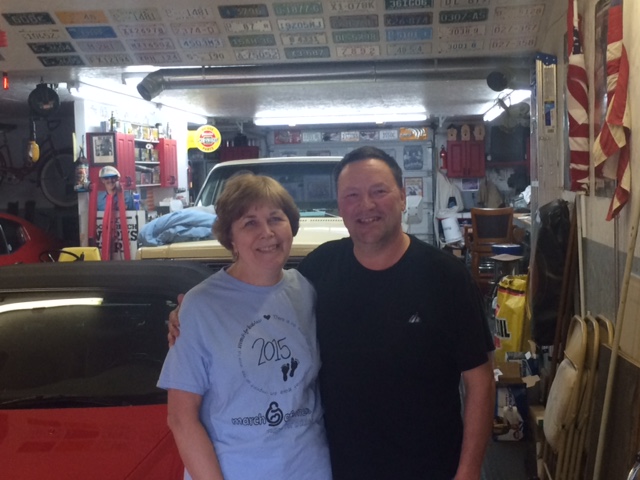 Their car connection runs deep. Cathy and Don live in a modest house, but have a garage much larger than their home, which accommodates Don’s vintage ’72 Chevelle, restored ’71 pick-up, Honda S-2000, and a recent model sedan, in addition to a wide array of restoration tools, a few lazy-boy recliners, large screen TV and well-stocked beer fridge.
Cathy’s worked forty years for the hospital in Sandusky, which, given the changes in healthcare over that time, means she’s survived mergers and technological change. Don’s the foreman of the vehicle maintenance crew at Cedar Point Amusement Park in Sandusky. His first job, as a summer dishwasher, was at Cedar Point over thirty years ago. In between, Don’s had a variety of jobs from mechanic to truck driver, but he’s happy to be back at Cedar Point. “It’s a good business despite the economy. People always go to amusement parks, and they’re great at thinking up ways to make more money.” Don explained how a few years ago they instituted fast lanes. For an extra fee, people could go through a quicker line. “They made over $1 million the first year with that, and it didn’t cost a thing to move a few line markers.”
 Don’s particular skill seems to be beating up his body and surviving. A bus ran over his arm, he broke his back in five places, lost a finger, shrapnel wedged through a vein into an artery, and his bicep tendon detached. “That was the most painful thing ever. They taped my upper arm to my chest and my shoulder joint froze.” Even more painful than the immunotherapy Don underwent for bladder cancer. He’s five years out from that diagnosis, and confident he’ll hit the seven-year mark of being cancer-free that signifies total remission. “I managed to beat myself up pretty good, but I’m still here. I’ve got a whole list of what can wrong, and how painful each injury is.”
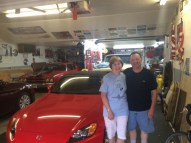 Cathy and Don’s work ethic and integrity are apparent in every aspect of their lives. Regarding politics, Don says, “I like our governor, Kasich. He’s a businessman and runs Ohio like a business. He makes sure that everything stays under control. What happened in Ferguson and Baltimore, it could have happened in Cleveland (referring to Officer Michael Brelo’s acquittal), but it didn’t.
I ask Cathy and Don, “How will we live tomorrow?” They answer in unison: “Better.” Cathy goes on, “You live for today, because you never know what will happen.” Don adds, “I’ve learned to be patient. We can survive so much more than we think we can.”
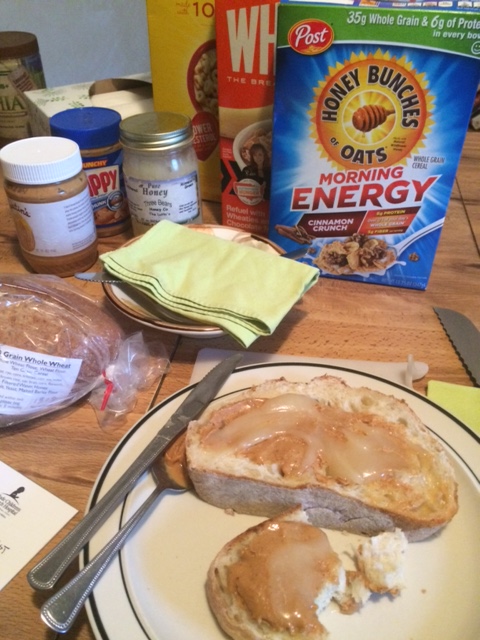
On Sunday morning, grey and rainy, we linger over breakfast in their cozy kitchen. When the rain slows I put on my gear and head out. As I wave goodbye, Don calls from the driveway, “I’ll live better tomorrow having met you today.” That’s a pretty good line.
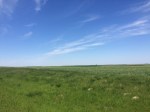
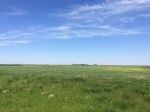

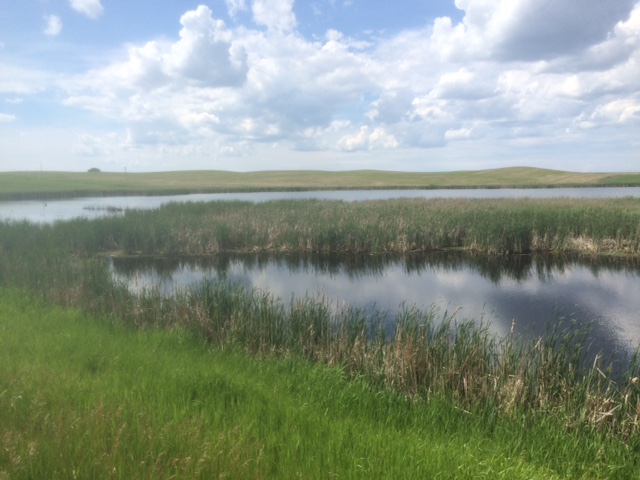

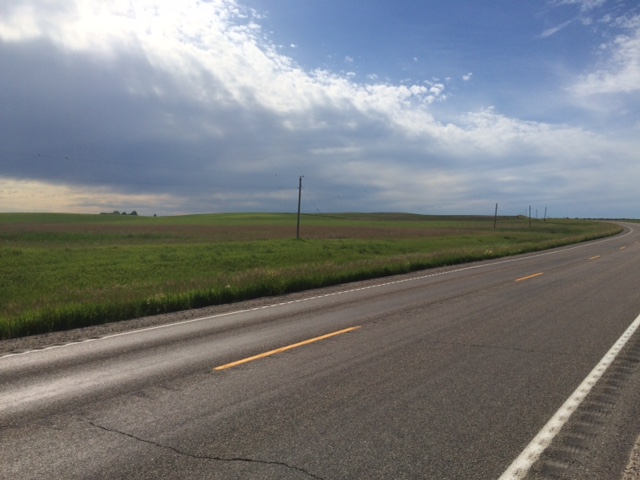
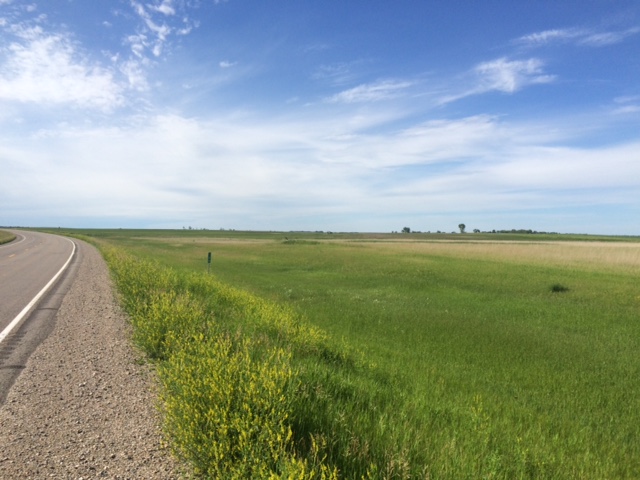
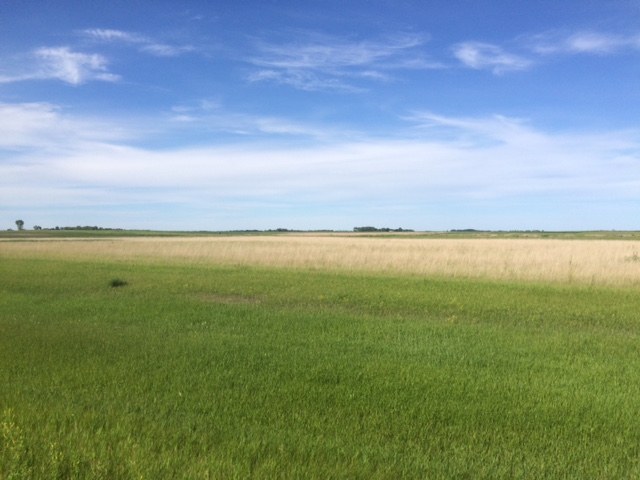
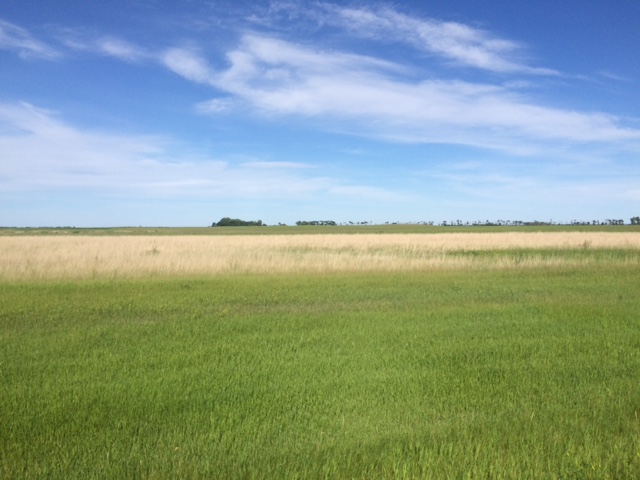
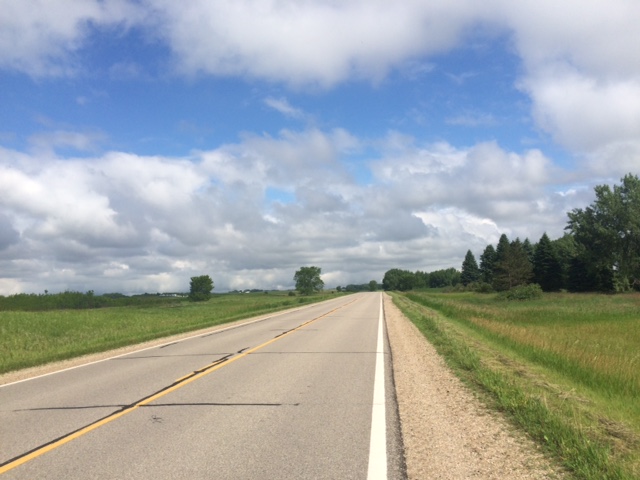
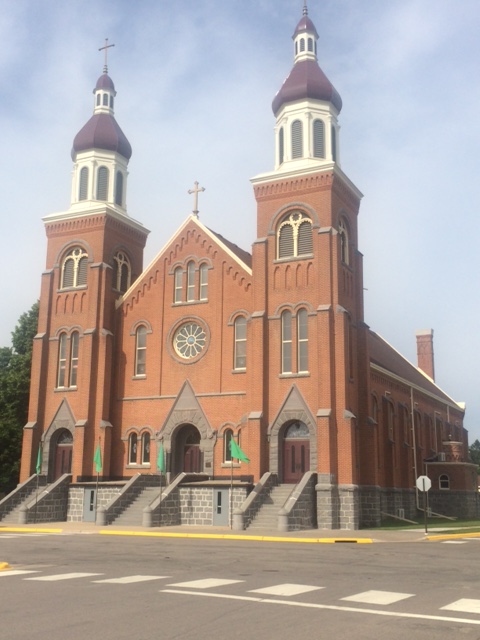
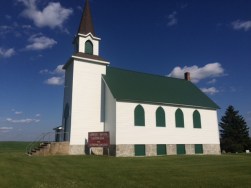 I rolled my bike up the church lawn, leaned Surly against its steps, and stretched out on the porch. I surveyed the world from my perch and wondered what the heck I was doing here, at six o’clock in the evening, absolutely nowhere. Then I realized why we do this, why humans push our endurance and test our fortitude. We take our measure against nature, to understand how we stack up against the great forces. But also to appreciate the majesty of creation; to discover nuance in a place a broad as North Dakota: hearing the shimmering grass, triggering the bird flocks that rise up as I pass, feeling the temperature dip when a cumulus cloud casts me in shade. From the stoop of this postcard church on the High Plains, the earth is formidable, but I’m invigorated by its energy.
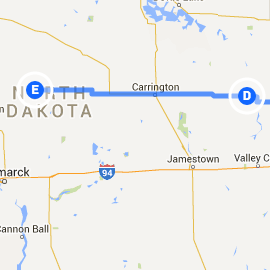
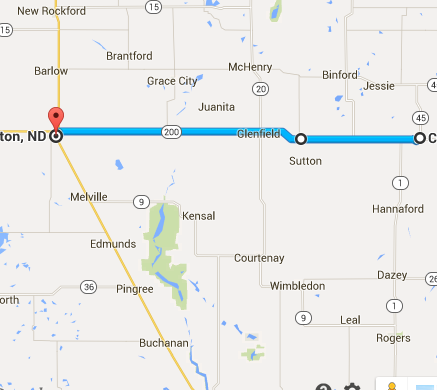
 I didn’t go any faster the last 18 miles, but they passed with great enjoyment. I sang and wove and laughed at the wind. It was eight o’clock by the time I got to Carrington; I averaged just eight miles an hour. Carrington offered a nice motel and a pleasant view for two more hours of sunlight, but it’s not such an outstanding destination. Today was all about the journey.
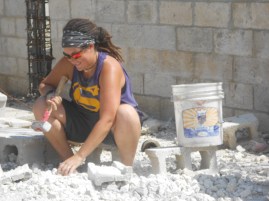 two miles outside of town. “I’ll get a waitress job in town to satisfy my extrovert side.” Like many moves in Kim’s life, this won’t be permanent. “The cabin isn’t winterized. If I like the area, I’ll move into town in the winter.” Kim doesn’t even bother to articulate a Plan B. She’s young, energetic, capable, and untethered to conventional notions of career or success. When life in Ouray plays out, another good option will reveal itself.