Trip Log – Day 34 – Chicago, IL to Naperville, IL

Chicago to NapervilleJune 8, 2015 – Sunny, 85 degrees with thunderstorms

Miles Today: 37

Miles to Date: 1,932

States to Date: 10

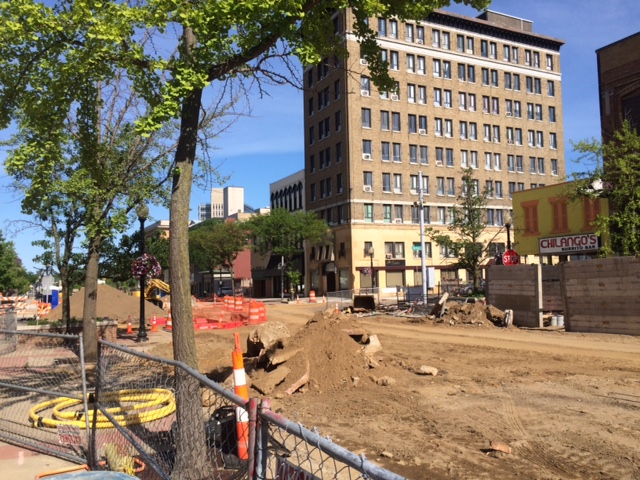
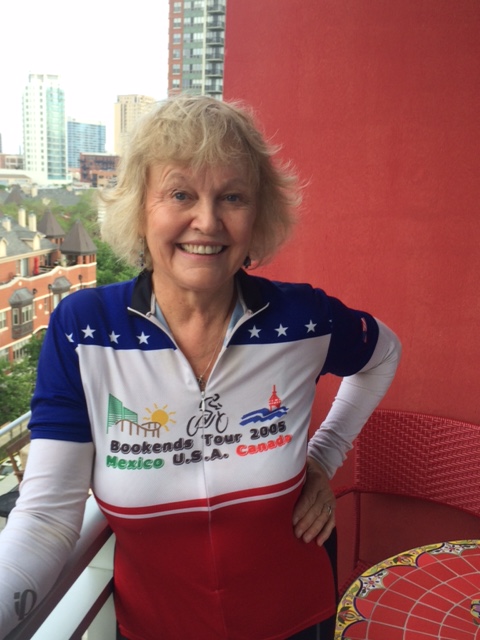
Every time I am in Chicago I remember how much I love this city. It’s got big city amenities, big city feel plus eager, friendly people. Bonnie and Frank, my warmshowers hosts, offered to take me on a bike tour of the city. Since I’ve seen the highlights before, we skipped the lake and Millennium Park in favor of the emerging South of the Loop and Pilsen neighborhoods. The former Germantown is now the center of Chicago’s Mexican community. We picked up Janet along the way and four fit retirees hit the streets. Chicago is a giant playground for architects; everyone is keen on architecture. Bonnie is a docent at the Glessner House, and we stopped often to study arches, lintel and rustication.
IMG_2208 IMG_2214 IMG_2211

We ate breakfast at Neuevo Leon, an amazing Mexican Restaurant whose three dining rooms were packed at 10:00 a.m. on a Monday morning. My chorizo tostadas were delicious, the extra warm tortillas and egg samples a bonus. Everything was generous except the place settings. I have been in three restaurants in the Mid-west that give you only a napkin and a fork. Have knives and spoons not made it across the Ohio River? How am I supposed to devour every bit of the delicious food without using my fingers?

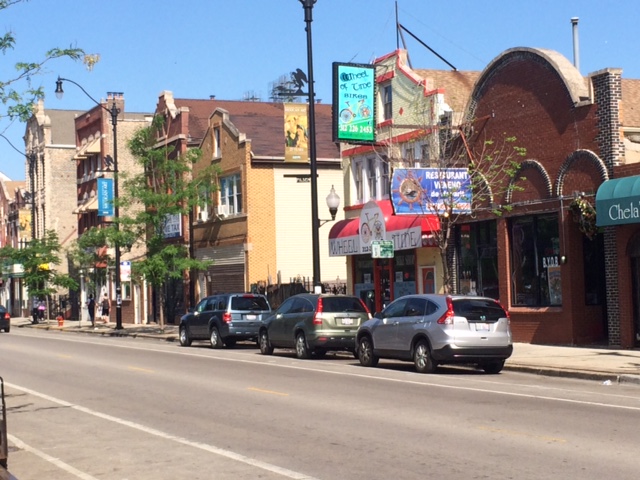
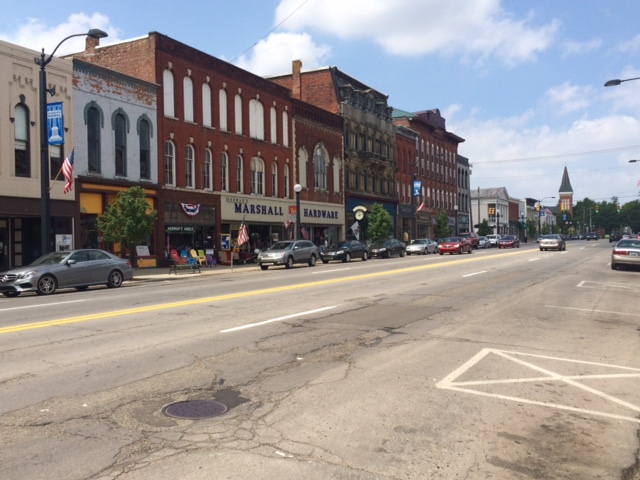
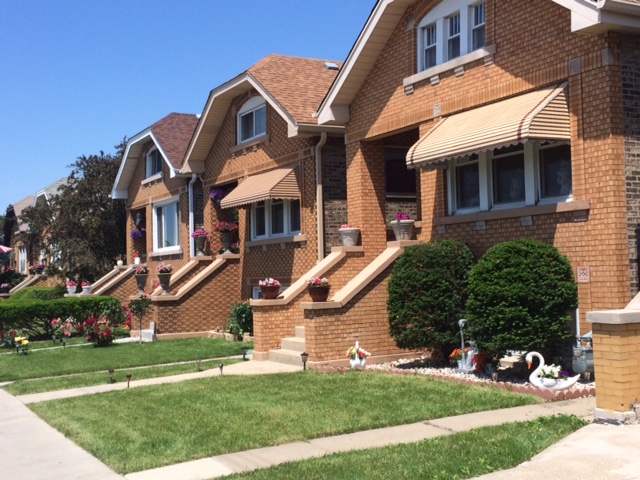
IMG_2215We said our goodbyes and I continued west. My cycling routes often divide into thirds, and today was a classic example. My first ten miles traversed the westward migration of Mexican immigrants in Chicago. I stopped at a Mexican bakery along 21st street – gluttony trumped hunger – to satisfy my sweet tooth. Then I continued on to Cicero, where one side of 26th Street was a huge intermodal train/truck terminal, while the other side was neat Chicago-style brick houses. On to Berwyn, where the houses got further apart but the pick-up trucks still blared Mariachi music. Finally, I hit full-blown suburbs in North Riverside, with malls and long ranch houses, but all the residents were still Mexican-Americans.

IMG_2216 IMG_2217

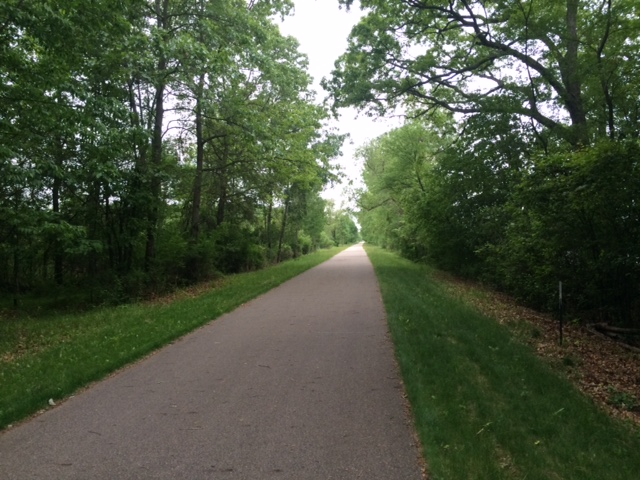
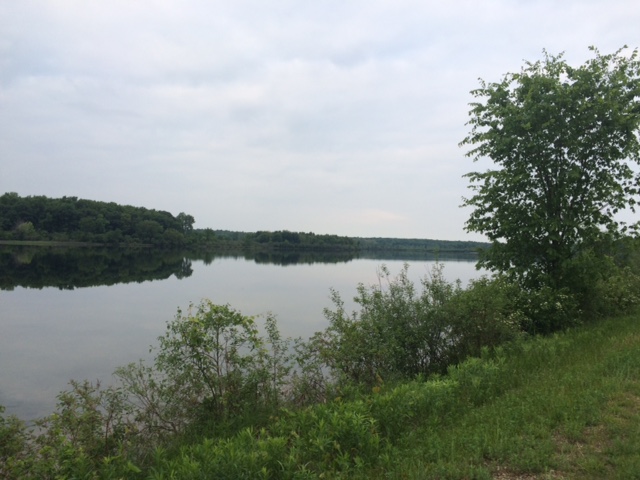
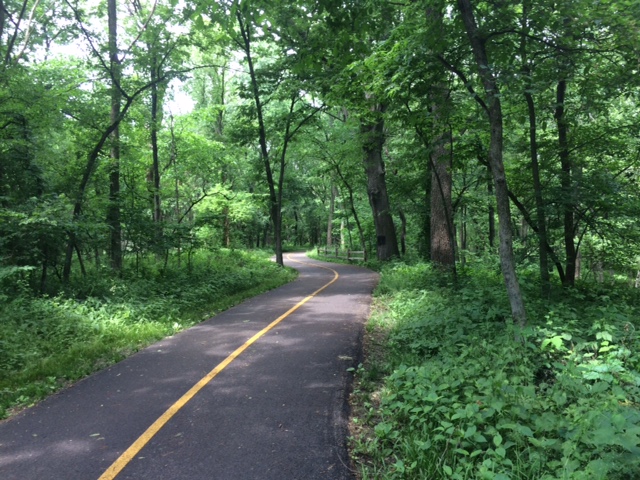
My second third was along the Salt Creek Trail; ten miles of cool, winding path through Cook County’s extensive Forest Preserve system.

IMG_2219 IMG_2218

Finally, I popped out in Oak Brook, a lush, very affluent exurb. Oak Brook is the headquarters of McDonald’s and apparently the executives take Happy Meal castles and pump them up to McMansions of enormous size. Brick is passé – the new ones are stone. One turret is a minimum, two or three are better. I saw one house so slick I thought it was still waiting for permanent siding. Then I realized the exterior was polished travertine. Really? In Chicago?
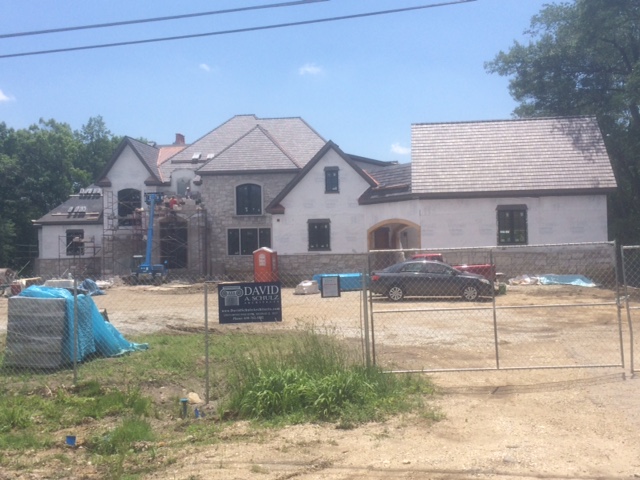
IMG_2220 IMG_2222

The exurbs are the most dangerous place to cycle. Entitled people in big cars have no patience for the rules of the road. At one intersection, after I waited to get a crossing sign, six cars cut in front of me for their right turn. Along one stretch a thin, tan woman with dazzling earrings slowed her SUV down enough to scream ‘Sidewalk’ at me, before gunning off and giving me a mouthful of exhaust. Even though by law I am supposed to ride on the road, I followed her unwelcome advice and took to the sidewalk for self-preservation.

I took a long afternoon break and waited out a serious thunderstorm, then got to my old high school friend David Klippell’s house in Naperville around six. It’s been more than twenty years since we’ve seen each other. David, his fiancé Charlene, daughter Karen, and I enjoyed beers and enchiladas. David, a carpenter, showed me all his handy work. Then we stayed up too late talking; we had a lot of catching up to do.

Posted in Bicycle Trip Log | Tagged , , , , , | Leave a comment

Profile Response – Yvette Sterbenk and Glen Cook, Corning Museum of Glass Corning, NY

HWWLT Logo on yellowCorning, NY, the Crystal City, is home of Corning Glass. Founded in Brooklyn as Brooklyn Flint Glassworks in 1851, the company moved to Corning in 1868 to be nearer to the Pennsylvania coal needed to fuel the furnaces, raw materials needed for glass, and inexpensive Italian labor. It changed its name too reflect its new location. Corning became a leader in developing consumer products, including Pyrex, Corning Ware, and Corelle. In 1951, the company’s 100th anniversary, Corning established the Museum of Glass as an independent non-profit. Corning has always stressed new product development; 10% of its budget is earmarked for R&D. In the last half of the twentieth century, Corning’s focus moved away from domestic glass products toward fiber optics and specialty glass. In 1996 they sold off all their domestic glass production, though their most famous products still bear their name. Now Corning manufactures the ‘keystone’ glass components many products. Just as Corning manufactured the first glass for Edison’s light bulbs, it now produces the ultra-thin, tactile glass screen on our smart phones and wide screen TV’s and more than half the fiber optic cable in the world.

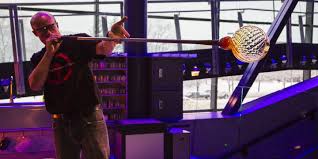
IMG_1933I met with Yvette Sterbenk, Director of Communications; and Glen Cook, Chief Scientist of the Corning Museum of Glass; to discuss how will we live tomorrow. Glen worked for Corning Inc. for sixteen years and spearheaded fourteen patents before transitioning to work full time at the museum. “Every panel display in the world has a piece of my invented DNA in it.” Glen values the interaction between the corporate side of glass research and development, and the artistic side celebrated in the museum. Gaffers (people who make glass by hand or blowing) can inform machine fabrication, and vice versa. “No machine invented can do what the human mind and hand can do, while gaffers are often unaware of the fundamental science behind what they do.” Glen’s role is to bridge the intuitive feel of glassmakers with scientific understanding. “Gaffers say that glass is alive; a Pele goddess of sand and lava. That’s true, but there’s also science behind it.” Glen is well suited to his connective role as scientist in an institution of art. “Glass doesn’t do anything it doesn’t want to do, but it can be coaxed. The relationship between a gaffer and the glass is like a conversation between a garden and the gardener, or a chef and his food.” He describes how Corning Museum of Glass supports artists for long-term internships to live in Corning, develop art, and interface with Corning’s R&D folks. “The museum used to be about the archeology of glass, now we are about the possibility of glass.”

How will we live tomorrow?

IMG_1934“I had a conversation with a geologist today, talking about the arrow of time. The future stands in the shadow of the past.” Glen brings out two glass samples. One is piece of 3”x5” glass circa 1780, the kind that filled colonial windows, and which we value now for its handmade quality. The second is fusion process glass, circa 2000. It is so flat and smooth; if the sample were expanded over the area of a football field its thickness would vary less than the width of a pencil lead. It is a distortion-free surface far beyond what the eye can discern.

Why did it take 200 years to make this difference in precision? “The speed of technological change is driven by need. Corning developed the fusion process in the 1960’s, but there was no perceived need for glass that smooth. The Patent Office is filled with inventions that will never be used. There has to be a ‘pull’ as well as a ‘push.’ We could all fly around on jet packs now, we have been to the moon, but they are not everyday experiences because there is no demand.”

Glen expands his ideas beyond science. “We have the ability to feed everyone on earth, but we don’t have the collective will. Our science is spot on, but what will motivate us to apply to the common good of all?”

IMG_1936 imgres IMG_1935

“I can say with surety that tomorrow will be more advanced technology, more precision, and more potential. Modern technology is driven by precision, but I don’t know what people will want, which determines which advances we use.”

IMG_1938Yvette observed, “People come to the Corning Museum of Glass to the see the stuff from the 1760’s; the local, imperfect, hand drawn materials elicit the deepest responses. We seek the human touch.”

Glen continued, “Our humanity lies in what we know. You can’t know where you’re going unless you know where you’ve been. In the end, everything is made of rocks and wood. Everything. We are just hyper intelligent bonobos throwing rocks at each other. We still live as our species did 30,000 years ago, playing with animal, vegetable, and mineral.”

Posted in Responses | Tagged , , , | Leave a comment

Trip Log – Day 33 – Gary, IN to Chicago, IL

Gary to ChicagoJune 7, 2015 – Rainy, 65 degrees

Miles Today: 38

Miles to Date: 1,895

States to Date: 10

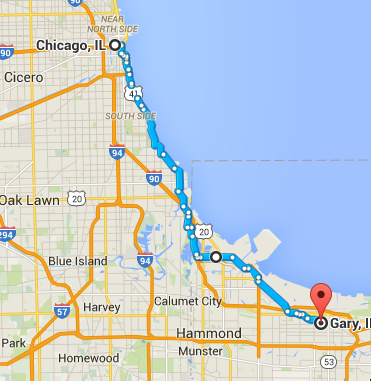
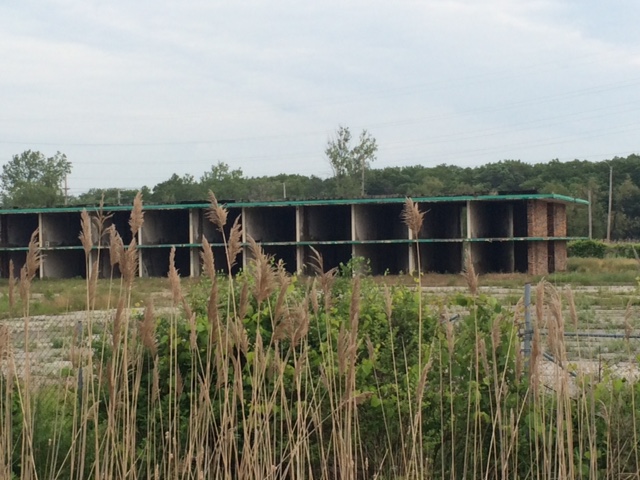
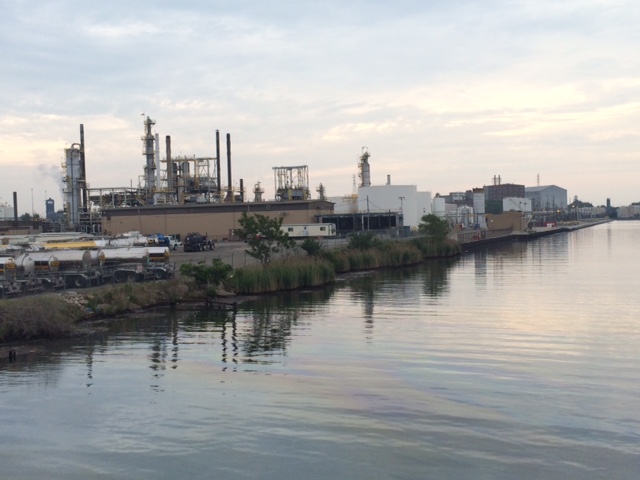
The forecast was for rain rain, rain, so I got up and out early to try to pedal the short distance to Chicago before the storm hit. I rode through two hours of Sunday morning empty highways, railroads, distressed neighborhoods, Holiday Inn ruins, and aging industry. Everything was grey and the smell oppressive, but I enjoyed the cacophony of continuous train whistles, petroleum cracking, and my bike wheels thumping the cracked pavement.

IMG_2193 IMG_2194

However, pollution made incredible patterns in the water I traversed on old steel bridges.

IMG_2197

I detoured to enjoy a sumptuous breakfast at Sunrise Family Restaurant in Whiting, IN. Since Whiting has a strong Mexican influence, I had a pair of sunny side eggs over chorizo hash and salsa in a skillet, but then added my first pancakes of the journey. By the time I finished my meal the rain came down, but I had the energy to push through.

I managed to get off track of U.S 41 and wound up coming into Chicago via Jeffrey Blvd., a really cool street that maps the city’s Southside development in reverse, from solid post-War single family houses, to duplex apartments, to 1920’s era apartment buildings, and then to Modernist apartments that are second or third generation development.

By the time I got to the bike path along Lakeshore Drive the rain had ceased. Chicago rose out of the water like an aquamarine Oz.

IMG_2201

I enjoyed a fine lunch at a Thai restaurant in the emerging South of Loop neighborhood with my friend Abhi Ganju, a physician and artist I met at a conference several years ago. We’ve been Internet buddies ever since but it was great to catch up in person. Afterward, I spent the afternoon exploring Chicago’s Chinatown.

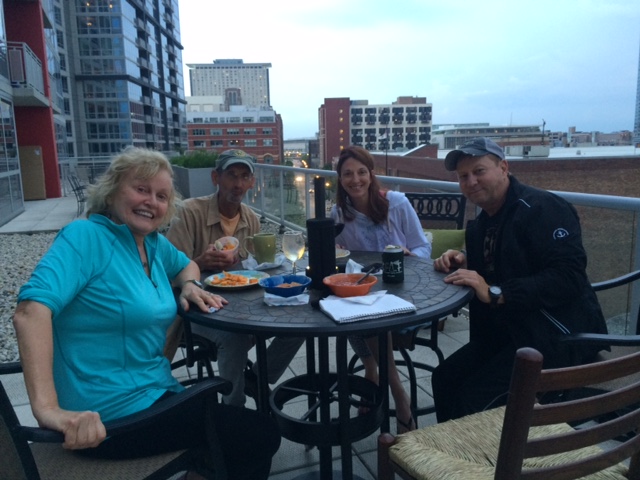
IMG_2206When I sought my warmshowers host’s house, I had to double-check the address. Bonnie lives in a modernist glass tower with remarkable city views – not the typical warmshowers venue. But she greeted me with the enthusiasm everyone on that website seems to possess. In short order we were chums, comparing the challenges of cycling over Vail Pass. Bonnie’s downstairs neighbor Ginny invited us to for supper on their deck. Bonnie brought cheese and crackers, her partner Frank supplied root beer, Ginny made poutine and her fiancé Joe (who lives in another unit in the building) grilled brats. I offered my question, which they considered a fair contribution to our impromptu party overlooking Chicago rooftops at sunset.


Posted in Bicycle Trip Log | Tagged , , , , | Leave a comment

Featured Response – Chuck Latovich

HWWLT Logo on yellowChuck Latovich is a member of the Board of GLAD (Gay and Lesbian Advocates and Defenders), a consultant in Positive Psychology, and an intricate mystery writer the publishing world has yet to discover. He is also a longtime friend. He sent me this response to the question one month after I began my journey.


How will we live tomorrow?

Embedded in your question is a predictive ability that’s uncomfortable for me. Tomorrow will bring inventions and events I can never imagine. (See also: 2003, before smart phones, marriage equality, etc.) Of course, I worry about wild weather patterns, catatonia induced by addiction to electronic devices, and political polarization. I’m not sure what I can do about those mammoth issues; they are overwhelming. I try to act with some integrity within my sphere of influence. I hope I have enough time and health to do more. I hope for the best for those who will survive me.

unnamedBut there is a forecast that I have taken to heart, one that I saw a couple of years ago on a billboard. “The first person to live to 150 years of age is alive right now.” Advances in health care will extend the average lifespan remarkably over the next century. People will rationally expect to live a very long time. This is true of your children, but you and I have a taste of that. I am far healthier than my mother was at my age. I am more mobile. My teeth are my own!

So people tomorrow will have to come up with ways to fill many more years. They will have more opportunities to live a worthwhile life. More challenges, too.

unnamed-1So to a degree I ended up changing your question from how will we live tomorrow to how should we live tomorrow? And my answer is that I hope people will live as you are right now.

First, you have found work that is personally meaningful to you. In your current occupation (writer/researcher/cyclist?), you are using your considerable skills, taking chances, are interested in what you do. To an observer, you are, in a phrase from positive psychology, “in the flow,” beyond happiness and occupying a zone where time disappears because you are fully engaged in what you do and are thoughtful, dedicated and disciplined about it. I’d say you were “firing on all cylinders” if it weren’t a cliché and somewhat out of keeping with your present mode of travel.

unnamed-2Second, you are having fun. Pleasure is there in the meals you recount, in the delight of visiting people and places that you’ve loved in the past and want to see again, or in the fulfillment of a desire for a new, but long-sought, experience. Pleasure is such an important part of life, e.g., “Would you like more beer or ice cream?” I’d probably add sex to those two, and change the beer to wine, but that’s me.

Third, and final for now, you are getting, and giving, all sorts of love. Once more from my own studies in positive psychology, relationships are primary, but that’s adding an academic layer to what’s really common sense. I am continually touched by the stories you recount of strangers who feed you, comp your meals, pray with you, offer help, give you a place to sleep, are curious about you, who are so exceptionally generous to you, who never met you before and who may never see you again but are nonetheless willing to support you. I have found this theme of your narrative incredibly moving. I’m sure there are exceptions, but in what you’ve told us, the charity (as in virtue) far outweighs the slights.

unnamed-3There’s a quote that I have on my Facebook page from a writer named Tim Kreider: “I know intellectually that all the urgently pressing items on our mental lists—our careers, car repairs, the daily headlines, the goddamned taxes—are just so much noise, that what matters is spending time with the people you love.” Holy smokes, Paul, you are going to know a world of people when you are done! I’d say you are a lucky man but that would negate all of the effort you’ve put in to make the love happen. Luck is a small part of it.

Tomorrow: Love, fun, work. Fundamentals.


Posted in Responses | Tagged , , , , | Leave a comment

Trip Log – Day 32 –Stevensville, MI to Gary, IN


Stevensville to GaryJune 6, 2015
– Sunny, 70 degrees

Miles Today: 61 

Total Miles: 1,857   

Total States: 9

Today was the perfect day to cycle: seventy degrees and sunny with a light breeze that kept coming from different directions to cool and push me along. A day so good I slipped into Central Time and got an extra hour to enjoy it.

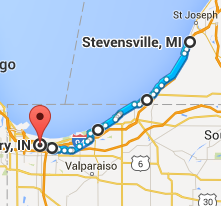
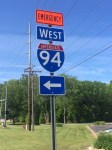
IMG_2175IMG_2177I dawdled around my hotel in the morning, enjoyed the complementary breakfast, and pedaled out just before ten. I spent most of yesterday and today on the Red Arrow Highway, an odd road in that it is a main thoroughfare, yet has no state number. It parallels I-94 from Kalamazoo to New Buffalo, sometimes as a narrow country road, sometimes as a four-lane highway. It also has these bizarre I-94 ‘Emergency ‘ signs posted all along the way. If there is an emergency on I-94, this byway isn’t going to offer much help. Regardless, Red Arrow Highway has little traffic, as I-94 is never more than a mile away.
IMG_2179Even on a cycle tour, the rhythm of weekends is different from weekdays. I don’t have appointments to meet with groups, but there are more people out and about for me to meet. I stopped at the intricate sand castle sculpture and wound up talking with Tim Ferrell, owner of Harbor Cabin Court about tomorrow. He is particularly interested our food system, and seemed disappointed that my on the road food regimen isn’t more discriminating.

I stopped by a small crafts fair with local honey and jams. I also learned that any road called ‘Lakeshore Drive’ would veer me off the highway, wind along wooded streets and Lakefront houses, and eventually bring me back to Red Arrow. Plenty of weekend cyclists filled the shoulder. Chris caught me just north of the Indiana line. We rode together for a few miles and swapped touring stories until he grew tired of my pace and sped off.

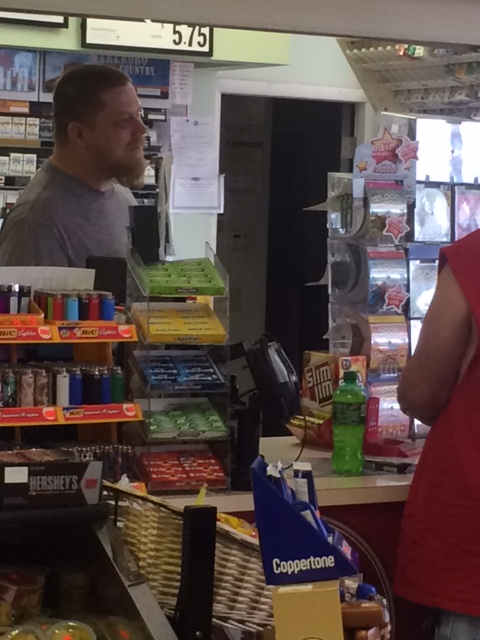
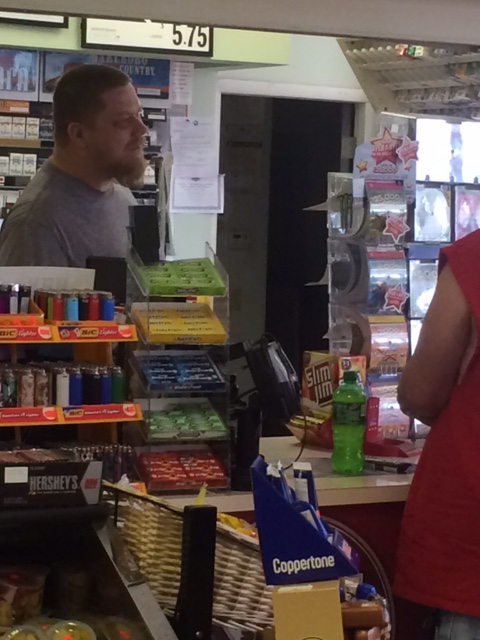
IMG_2188Long Beach and Sheridan IN are very nice beach towns; Michigan City is sleepy on a sunny Saturday afternoon. In Pines I met Zach, a convenience store cashier, who has the most radical view of tomorrow I’ve encountered to date. Sales tax rates and their application vary in every state, but I was surprised when he charged no tax on my purchase. Apparently it is his small way to subvert our monetary system, which he condemns as he collects cash from customers for gas and cigarettes.

Route 12 runs through Indiana Dunes National Lakeshore for more than ten miles, though I only saw the water when I sidetracked to the main beach, which was crowded with sun worshippers on a clear day too cool for many swimmers. After a writing break, I made my way to the Miller’s Beach neighborhood of Gary, an eclectic, funky place where my warmshowers hosts Olivia and Ty made an awesome dinner of pizza, tortellini and Asian salad before heading out to view an art show in a converted grocery store, empty storefronts turned graffiti canvases, and enjoy fresh beer at the Eighteenth Street Brewery. Guys at the bar joked that Gary was the best city on earth. Maybe it’s seen better days, but I’ve been to worse places.

IMG_2189 IMG_2191

Posted in Bicycle Trip Log | Tagged , , , , , | Leave a comment

How will we live tomorrow? – Responses

How will we live tomorrow? 

“No one is going to answer that question because we cannot know. There is only one God, who knows all. The rest is just a guess.”

Rudy, waiter at Al Ameer Restaurant Dearborn, MI

How will we live tomorrow?

IMG_2188“Without a monetary system. When we get rid of the Fractional Reserve system we can move forward to equality. Until then, every man will just chase money and we will all suffer. There are only three countries in the world – China, Iraq, and one other – that don’t use the monetary system masterminded by the Rothschild’s. There’s more debt than money. Debt is created out of nothing. But more people have gotten on their knees to it than to any messiah.

“I bet you never thought you’d get so much from a convenience store clerk.”

Zach Nelson, Convenience store clerk who charged me no tax, Pines, IN

How will we live tomorrow?

“Ayn Rand, freedom, individual liberty.”

John Worth, McDonald’s customer, Portage, IN

How will we live tomorrow?

 IMG_2180-1“If we live well today, we can continue that way. Not a whole lot of good comes form conflict. We have to get away form the ‘War on Drugs’ and ‘War on Poverty’ and ‘War on Cancer’. There are enough natural resources ont he planet to sustain us, if they are managed to avoid scarcity. The challenge is to manage them well and not squander them through war and corruption.”

Timothy Farrell Owner of Harbor Country Cabins, Harbert, MI

How will we live tomorrow?

“Hopefully as well as we live today.”

Chris, cyclist who rode a few miles with me, Chesterton, IN

How will we live tomorrow? 

“I’m taking the LSAT. I want to go to Wayne State. My family is here, my children. I can’t set my sights on Ann Arbor.”

Fatma, mother of three, Dearborn, MI

How will we live tomorrow?

“We have the ideal scenario. We have neighbors that all share. When we were all just farmers, that’s what we did all the time. When industrialiation came, the bosses didn’t know the laborers’ names, they just became ‘worker’. Before industrialization, it was a perfect time. But the smarter we got, the harder it got.”

Fiona Bachtel, Seventh grade agrarian, Norwich, VT

How will we live tomorrow?

IMG_2117“Actually, I was planning to live today. It’s a beautiful day, I’m going to get my gear and take a long board ride.”

Alex, Skateboarder Ann Arbor, MI


How will we live tomorrow?

“Giant agribusiness monocultures are all about reducing stress to improve yield. The best tomato comes from a field under stress. Just like the best people.”

Dave Bachtel, IT Executive and bass player, Norwich, VT

How will we live tomorrow?

IMG_2139“Cooperatively.”

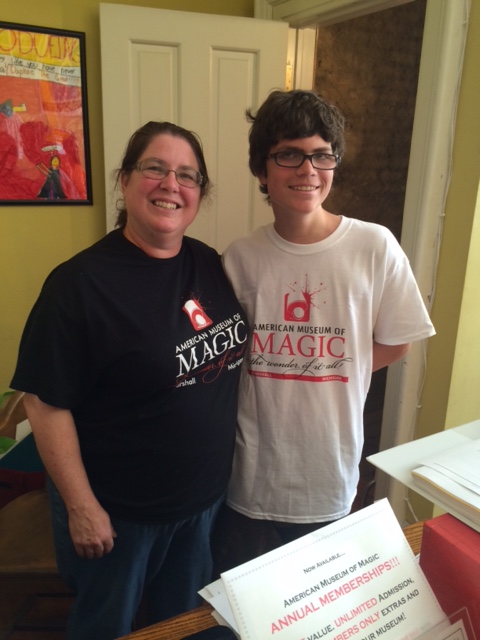
Keli Hindenach, Curator of American Museum of Magicians Marshall, MI

“I worked in museums all over the world. When this job opened, I came back to my hometown and married my high school sweetheart. That’s why our tagline is, “The wonder of it all.”

How will we live tomorrow?

“Always in the future there will be greater technology, like hover cars.”

Joseph Hindenach, Intern at American Museum of Magicians Marshall, MI

How will we live tomorrow?

“Have faith.”

Dorothy, Customer at Louie’s Bakery, Marshall, MI

“These nut rolls are really terrific at 6:05 in the morning, when they are still warm, after a long night of partying.”

How will we live tomorrow?

IMG_2141“One day at a time. Tomorrow might be terrible, but you have to live today first.”

Jessica and Wendi, Cashiers at Louie’s Bakery, Marshall, MI

Posted in Responses | Tagged , , | Leave a comment

Trip Log – Day 31 – Kalamazoo, MI to Stevensville, MI

Kzoo to Benton HarborMiles Today: 65

Miles to Date: 1,796

States to Date: 8

June 5, 2015 – Sunny, 75 degrees

One month on the road! It was great to start it with David Bere, who made sure I got a solid breakfast before we cycled over to Western Michigan University. David showed me around the Sustainability Center where he works and he tuned up my bike. Friday is the day David’s mother makes cookies for the Sustainability team, and we all ate awesome chocolate chip cookies.

IMG_2162 IMG_2160 IMG_2166

At eleven I met with Mike Way and the Innovation Team at Bronson Healthcare. I have worked with Bronson since 1997 when they began planning the replacement hospital that opened in 2000. Now, Bronson is a national leader in community healthcare, won the 2005 Malcolm Baldridge Award, and continues to lead innovation in wellness and sustainability. We had a great round table discussion about tomorrow.

imagesI enjoyed lunch with my good friend Vickie Nelson, my Kalamazoo counterpart at Diekema Hamann, a local architecture firm with whom I worked on several Bronson projects. Vickie’s life and my own have shared several parallel interests. She has been deeply involved in education and aid work in Guatemala, as I have in Haiti. She is retiring this week and will have more time to devote to that effort.

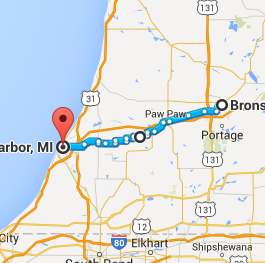
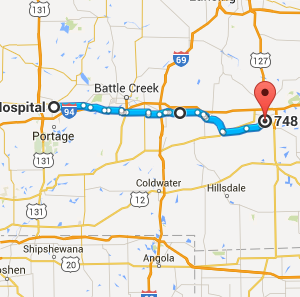
I didn’t leave Kalamazoo until almost three but wanted to get a few miles under my belt. When I reached Paw Paw, which had a nice little motel, I still had energy, so I kept on. But I was tired by the time I reached Hartford, a farming community that appears to be 100%Mexican. No motels in town, but, happily, an ice cream stand that sold soft serve as well as burritos.

IMG_2171 IMG_2172 IMG_2174

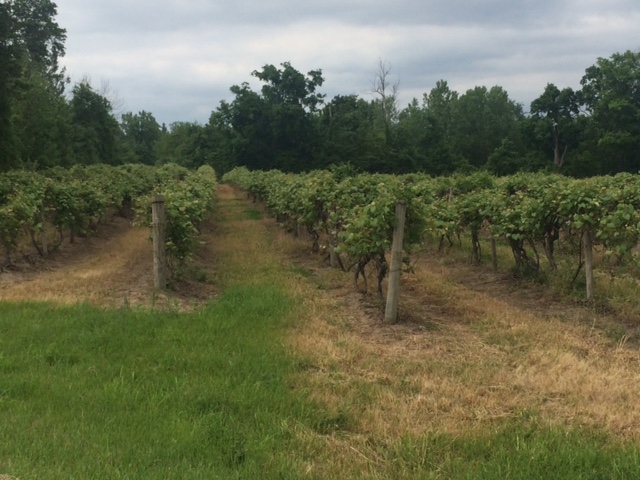
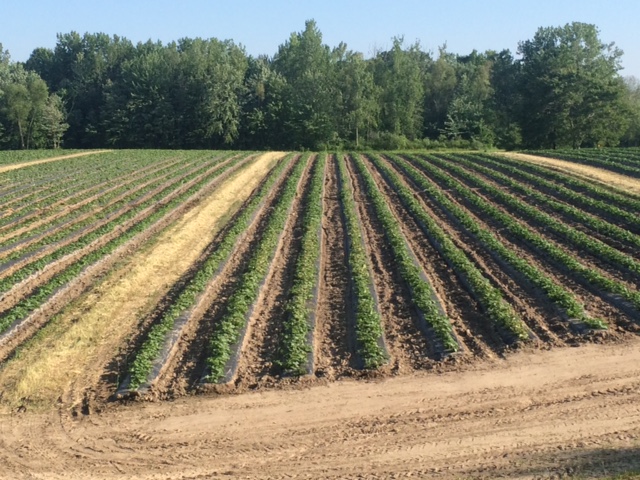
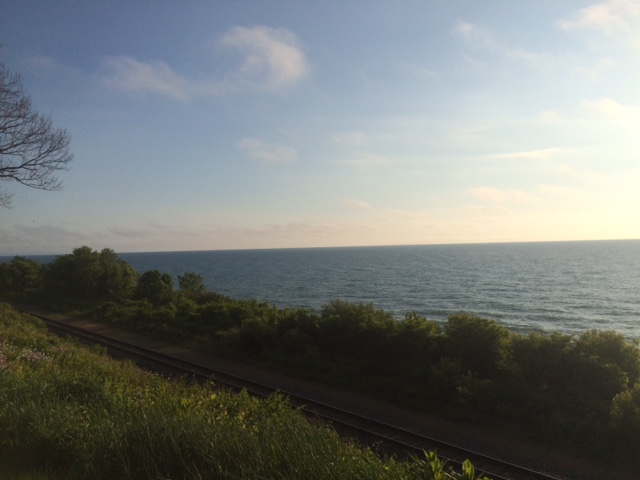
After a short break and a generous cone, I had renewed energy. As soon as I rose out of the Hartford valley, the vineyards were lush, the lettuce fields thriving, and the air was tinged with a cool breeze. Lake Michigan was near. It was another twenty miles before I passed through Benton Harbor (a desolate place) to reach St. Joseph (a lovely place). I was hoping for vintage lakefront motels, but there were none. So I kept along Lakeshore Drive until I found a Super 8 near the highway. Not exactly a seaside hideaway. Still, it was after 8 p.m., I was tired, and happy for a clean and quiet place to stay.


Posted in Bicycle Trip Log | Tagged , , , , , , , , , | Leave a comment

Trip Log – Day 30 – Jackson, MI to Kalamazoo, MI

Jackson to KzooMiles Today: 70

Miles to Date: 1,731

States to Date: 8

June 4, 2015 – Sunny, 75 degrees

I rose early. My warmshowers hosts left me the best sesame seed bread ever to kickstart my day, and I slipped out of their driveway shortly after six. The first twelve miles of my ride was along the Falling Waters Trial, a rail trail through dense woods and past beautiful lakes. I saw only one other cyclist, but a dozen deer. I took a local road from Concord to Albion, riding under a canopy of huge trees with rolling fields beyond me on either side. Albion is a small college town, and the outskirts are littered with offbeat, Modernist houses college professors seem to favor. Unfortunately, the historic downtown is not as interesting. Most of the storefronts are empty and though I craved a local diner for breakfast, my only option was Subway.

IMG_2125 IMG_2127 IMG_2129 IMG_2131

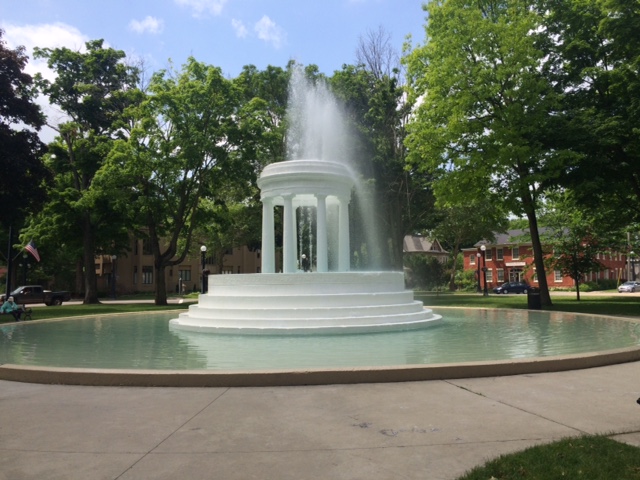
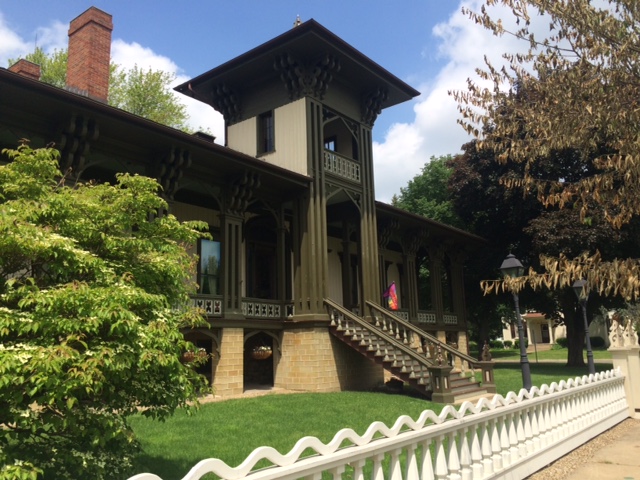
I pedaled on to Marshall, which proved a sharp contrast. Marshall is happening! Why do some towns founder while others thrive? Marshall’s main street is full of stores, both useful and hip. The central fountain is gorgeous, the eclectic nineteenth century architecture impressive. But most important, there are people everywhere. Downtown is the place to go.

IMG_2140 IMG_2145 IMG_2143

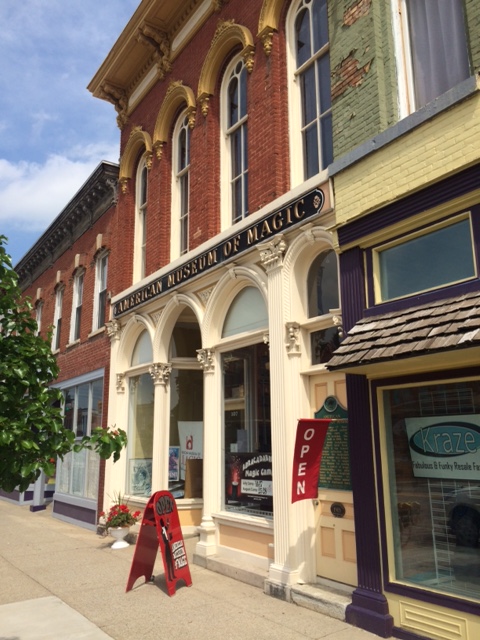
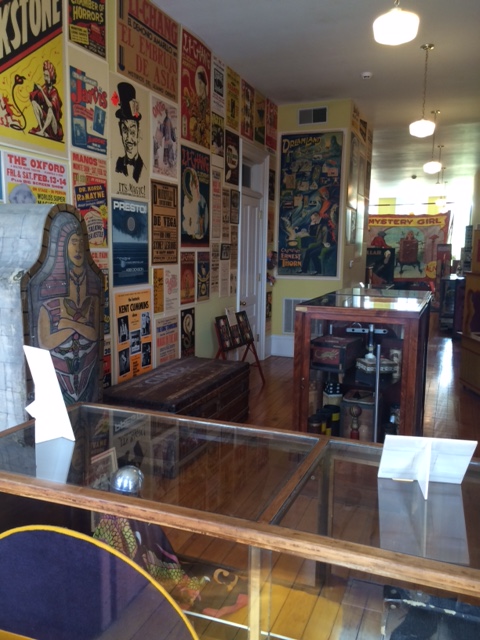
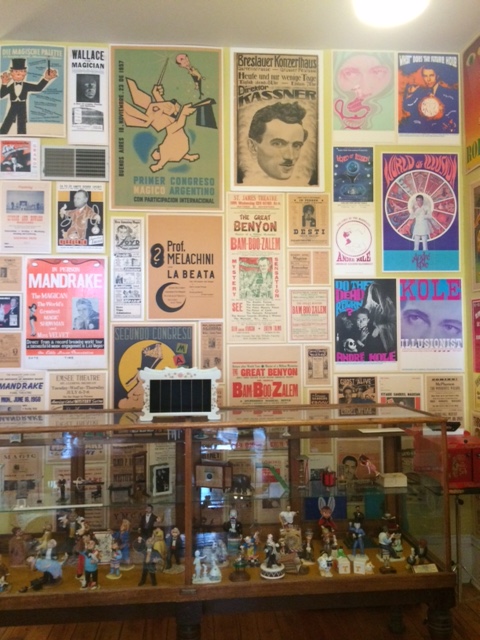
On a whim, I stopped at the American Museum of Magic. Harry Blackstone, a famous magician, set up his summer quarters in nearby Colon, and ever since this area has been the world’s center of magicianship. Every summer over 1,000 magicians convene in Colon to trade secrets (or not) and the American Museum of Magic and its archives contain almost a million artifacts, including a 1584 Book of Sorcery (supposedly used by Shakespeare as a reference for Macbeth) as well as Houdini’s lock box and Penn & Teller’s suits. Since, as one on the text plaques states, “Magicians are paid liars – always trying to convince people something is happening when it’s not”, I enjoyed it all but didn’t take it too seriously.

IMG_2134 IMG_2137 IMG_2139 IMG_2138

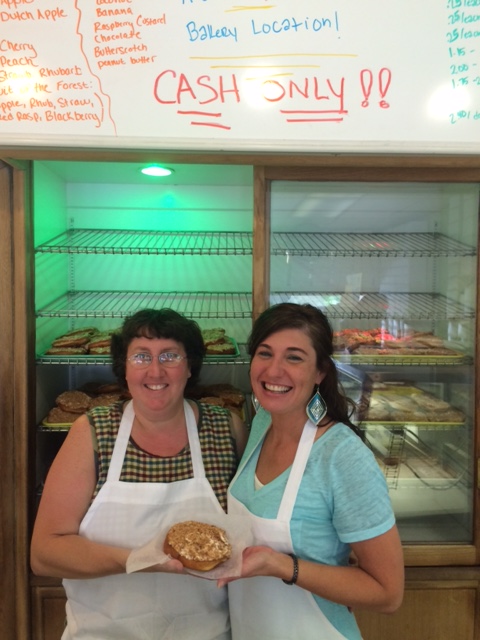
Too bad I was full from my Subway meal, as Marshall is full of great looking places to eat. Still, I couldn’t resist Louie’s, a vintage 1952 bakery on Main Street. The cases were full of great looking stuff, but the entire back wall was filled with racks that I could tell, by sheer volume, held the house specialty. I ordered a nut roll, which Jessica and Wendi insisted on giving me free when they heard about my journey. Within minutes, there were six or eight people in the store, all comparing the virtues and vices of Louie’s nut rolls. As a cyclist who needs to consume many calories a day, I can tell you the virtue of this delicious sweet far exceed any vice.

IMG_2142 IMG_2141

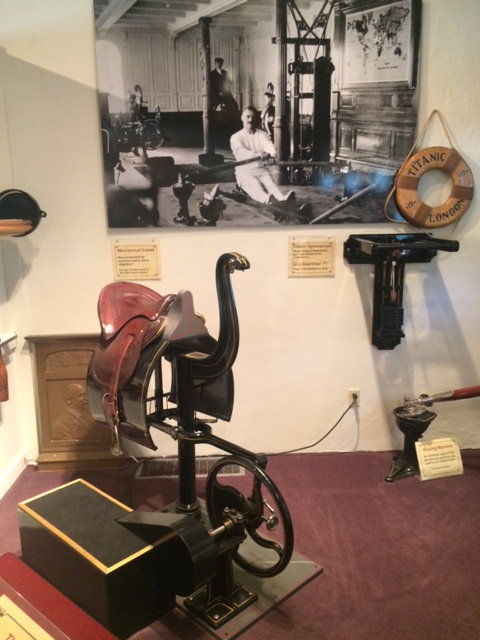
The ride along Verona Road into Battle Creek was pleasant. I arrived in time for my 2 p.m. appointment with Don Scherencel, Director of Historic Adventist Village, where I learned about yet another religion birthed in upstate New York’s ‘Burnt over District’, that moved to Battle Creak and has flourished there since the Civil War. Dr. John Harvey Kellogg, health and exercise fanatic who first invented Corn Flakes (though his brother made the famous cereal company) was a Seventh Day Adventist. The Welcome Center is full of Dr. Kellogg’s exercise machines.

IMG_2153 IMG_2157 IMG_2155


It was four by the time I started my final stretch to Kalamazoo. The map showed 22 miles, mostly along the Kalamazoo Rive. All true. However, the stretch was industrial, heavily trafficked and had little shoulder. Since it was late and I was tired, I took several breaks to stay centered. Luckily, there was a nice bike path for the last eight miles into Kalamazoo.


I arrived at my warmshowers host’s house a little late but none the worse. David Bere is a local 20-year-old bicycle enthusiast. Last summer he cycled 6,000 miles through the Northern U.S. and Canada. Now he works at the University of Western Michigan Center for Sustainability and vows “to never own a motorized vehicle.” It was greet to meet a young man of such passion. His mother, a native of Kalamazoo, made an incredible meal for us, and we spent a few hours looking at the photos and maps of David’s trip before heading off to bed.

Posted in Bicycle Trip Log | Tagged , , , , , , , , , | Leave a comment

Profile Response: John Crawley, Cazenovia, NY

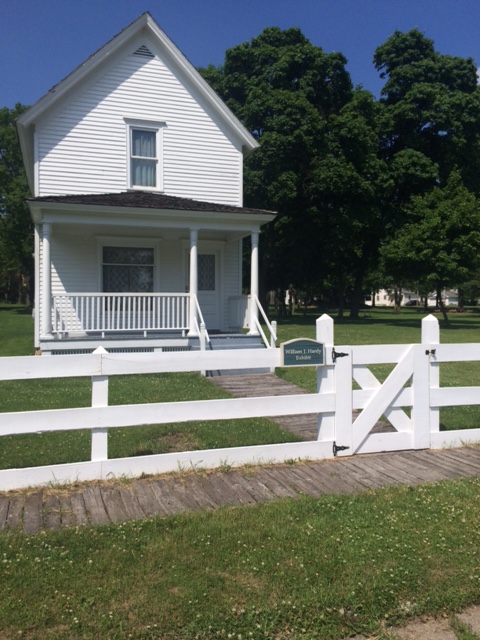
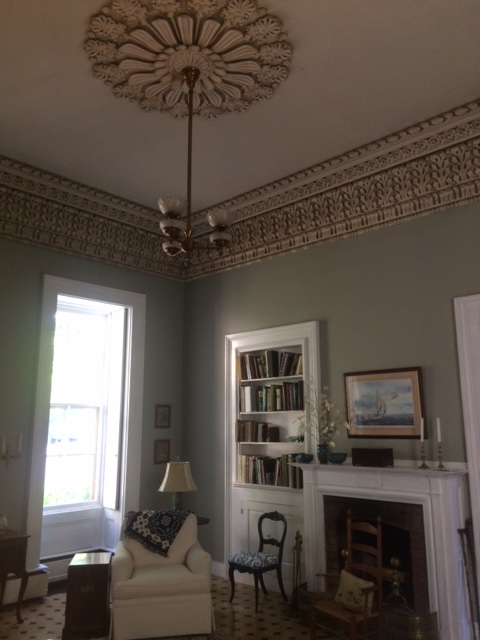
HWWLT Logo on yellowJohn Cawley opened his unusual home to me as a warmshowers host. The Stone Cottage is a solid Civil War era commercial building with a central entry and two generous rooms. The building sits at the end of Cazenovia’s main street, on the shore of Lake Cazenovia. Some 1950’s additions expanded the structure into a residence. Now the building has five distinctly different rooms. The formal living room, which was originally a law office, contains some of the most beautiful molding I’ve ever seen.

But don’t just visit to see John’s house. John is ten to fifteen years my senior, and during our evening together I came to appreciate his energy, values, and perspective. By the time I left the following morning, I realized that John provides a great model for how we can age with respect for our past and our losses, as well as vigor and meaning for the present and future.

IMG_1903John had a varied career in business, working for Geico and Citibank before eventually becoming expert in municipal finance. He attended eleven different schools growing up, and didn’t want to replicate that experience for his own children, so handled finance for the City of Scranton during their formative years. By the time they were grown, and the promises of local politicians made Scranton’s finances unstable, John moved to smaller cities on Maryland’s eastern shore and eventually came to upstate New York to be near his grown children.

John was married 47 years. His wife developed arthritis that settled in her organs, and eventually crippled their function. It was a long, painful death, accelerated in the end when John’s wife stopped eating. “Religion had nothing to offer me when my wife died. Her suffering defied reason.” So, John bought a Miata, stuffed a backpack in the passenger seat, and toured the West. He hiked Glacier National Park, faced off a Golden Bear in Yosemite, and encountered a mountain lion in Yellowstone. Then he returned to New York, got on match.com and met a wonderful woman, who happened to be his daughter’s neighbor. Now, John’s business cards list kayaking, rowing, hiking biking, sailing, x-country skiing and snowshoeing as his pursuits, and also indicate Miriam Weber as his partner.

While John is physically active in retirement, he’s measured and contemplative in his political, social, and emotional perspectives. John’s years in municipal government allowed him to witness both sides of negotiations, and develop empathy with different points of view. I visited John during the Baltimore riots after the police killed an unarmed Black man. When I expressed surprise that police departments throughout the country didn’t seem to understand how their actions were viewed in the general population, John said, “Police are a closed society, imagesand corrupt. They are going to protect their own. But I wouldn’t want their job.”
John exemplifies how aging offers a more generous view of life. The foibles of human nature are easier to detect and easier to accept. “I have three children, each with families, all doing well. I had a great marriage and now have a second satisfying relationship. I have no regrets.”

How will we live tomorrow?

“Would you like another beer or some ice cream?”

Since I am not travelling to badger people, I only ask my question once. I figured that John didn’t want to answer directly. Our discussion continued, ranging from the environment to the presidential election to the virtues of rowing on Lake Cazenovia. But the more I thought about John’s answer, the more I liked it. That two of my favorite things will still be available for me to want, and to have, tomorrow.

Posted in Responses | Tagged , , , | Leave a comment

Trip Log – Day 29 – Dearborn, MI to Jackson, MI

Dearborn to JacksonMiles Today: 74

Miles to Date: 1,661

States visited to date: 8

June 3, 2015 – Sunny, 75 degrees

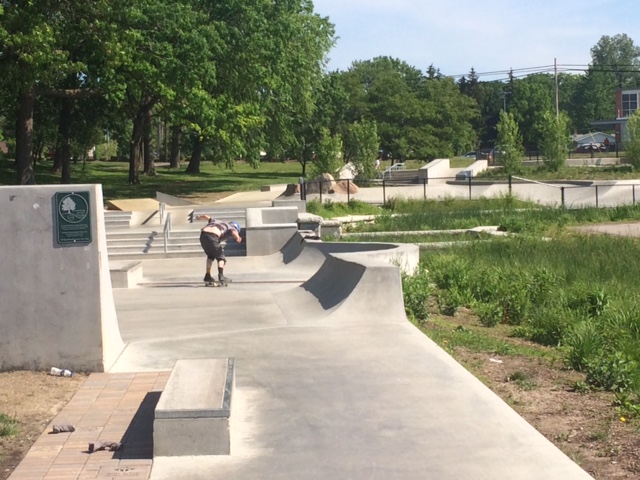
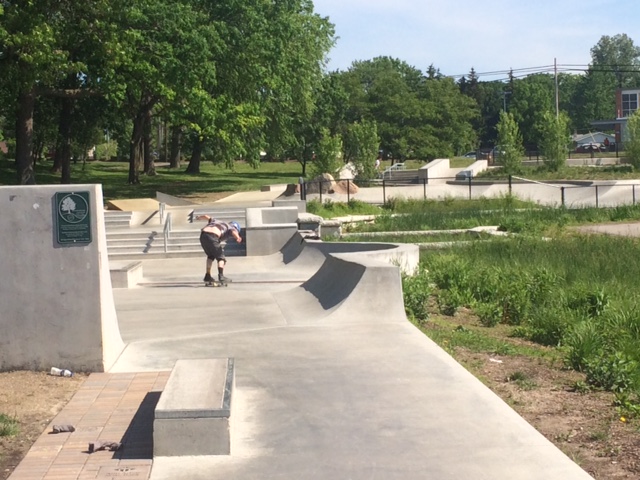
Today was easy riding: up at 5:30 a.m., out shortly after six, with only short breaks until I reached Jackson just after one. I pedaled a few miles along Tireman Road, the line between Dearborn and Detroit; a world of stability on one side, a world of chaos on the other. Hines Drive out of the city was closed to cars; I shared the wide, pleasant road with only a handful of other cyclists. Even after the Ann Arbor Trail merge, traffic was light and the shoulder solid. Plymouth is a beautiful town with a graceful fountain in its center. Instead of seeking out University of Michigan intelligentsia in Ann Arbor I stopped by a skateboard park and talked with the board guys. After several miles of wide highway, the road narrowed to country proportions in Jackson County. Farmland rose around me like bed sheets drying on the line. Main Street in Grass Lake is lined with elegant old houses. The tall grass outside the aptly named town billowed in the soft crosswind like waves in a shallow sea.

IMG_2117  IMG_2120  IMG_2121

I spent the afternoon writing. Around five I pedaled through Jackson, past Allegiance Healthcare where I did some consulting two years ago. On that trip I dragged my companions away from highway chain restaurants to explore downtown, which was a shadow if its glory. This trip downtown is a construction zone as the city’s replacing core infrastructure. I guess I’ll have to come back in a few years to see if the massive project spurs rejuvenation.

IMG_2118  IMG_2123  IMG_2124

I spent a relaxing evening with my warmshowers host family. The sun doesn’t set until past nine this time of year in Michigan. After dinner, Scott, his neighbor Jeff and I drank beer on the deck while their children ran between the backyards. We kept talking after we moved inside and Scott’s wife Karen joined us. It was past eleven when I crawled into the cozy bed tucked under the stairs in the dark and quiet basement.

A shout out to my niece Isabelle who texted me to say I should add how many states I have visited to my header – which I did. Great idea, Izzy.


Posted in Bicycle Trip Log | Tagged , , , , | 2 Comments