Profile Response: Marie, Owner of Bieber Motel, Bieber, CA

HWWLT Logo on yellowMarie was probably never tall and thin, but four children, years of hard work, and gravity have made her very short and stout. When she reaches her arms onto the check-in counter of the Bieber Motel, she almost has to raise them above her shoulders.

Like many people, Marie was initially cautious of me. A grey-haired man in garish biker gear is novel, but potentially weird. However, by the time we completed my check-in form, she must have decided I was okay, because her life story flowed with animated ease.

imagesMarie is from Faial, an island in the Azores that she could walk around in one day. When the United States established a priority immigration program after an earthquake struck, Marie’s parents and eight children came to California. Marie was 12. At 17, she married a 21-year-old Faial neighbor who’d also emigrated. “We never got welfare, any of us. We came and we worked hard.” The week they were married Marie and her husband started a dairy farm outside of Sacramento. They never had a day off. They took their first vacation 28 years later, after they had raised their four children.

“I feel sorry for the Mexicans. They work so hard. But why don’t they come legally like the rest of us? We used to hire them on the diary farm. They had fake social security cards. We all knew they were fake but we needed workers and no one else would do the work. We paid social security. After a while we’d get a letter from the government telling us that number didn’t belong to that person. Then they disappeared to try their scam somewhere else.
imgres-1“My husband sold the dairy farm and bought three ranches up here. This motel came with the deal. He’s 72 now and still works every day. I would like to sell this. I just want to be a ranch wife.

“My oldest son works the ranch. My second son is in North Dakota working the oil fields, but that is slowing down and so he’s coming home. He calls me three or four times a day and says how much he wants to come home. I tell him, ‘you’re forty-five, why do you call so much?’ He’s coming home and will work the ranch, but he doesn’t get along with his older brother. I hope it works better this time.

“My daughter loves to farm. She’s down in Santa Rosa. Didn’t get married until she was thirty-five. ‘I won’t get married unless I can find a man who likes what I like.’ Thank god, she did. Her husband is a good man.”

“My youngest, he wanted nothing to do with farming. He didn’t understand the work has to be done when it has to be done. You can’t wait to milk the cows or bring in the hay. He’s had to find that out for himself.

“The dairy business is year round. But ranching is seven months. We have to make our money in the good weather, and then we can rest when the snow flies.”

Screen Shot 2015-11-21 at 12.48.55 PM imgres Screen Shot 2015-11-21 at 12.49.06 PM

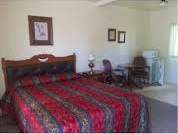
In between explaining her life, Marie got the gist of my trip. “What you’re doing is remarkable. I have to contribute in some way. I’m only going to charge you half price.” I argued that I was prepared to pay for my room, but Marie insisted. She’s the kind of woman who gets her way. I had a very nice room for $25. But she wouldn’t let me take her picture, or reveal her last name.

How will we live tomorrow?

The way the world is going, it’s not good.”


Posted in Responses | Tagged , , , , | Leave a comment

Profile Response: Mike Sojka, Mt. Shasta, CA

HWWLT Logo on yellowMichael Sojka and his wife Jane moved to Mt. Shasta from Sunnyvale eighteen years ago. “It was the first time I made a heart decision, not a head decision. It was difficult for an analytical guy like me, but has turned out to be such a good move.” Michael was able to continue his career as a software architect at Seagate. He telecommuted Friday and Monday and drove to Silicon Valley for a mid-week stint in the office. “I liked my time in the Bay Area, but after three or four days I needed to leave.” The move had economic benefits. “We had a 1500 square foot house in Sunnyvale; nothing fancy. It more than tripled in value over the years we owned it. We sold it, moved here, and bought a place twice the size on two acres for less.” The move also had personal benefits. Jane’s the business manager for the local school district. “Life here is stress free.”

imgresSix years ago Michael’s work in data storage and retrieval was outsourced to Asia. After getting laid off, he decided against continuing to work in Silicon Valley. He semi-retired and became a tour guide for high-end bicycle tours. “The hardest thing about leaving Seagate was not being around super intelligent people. I started guiding tours around Mt. Shasta, then Sonoma County and the Central Coast. These are exclusive tours, with 12 to 14 people and two full-time guides. The people who go on them are accomplished, interesting, and intelligent.”

imgresMichael’s an independent thinker himself; wary of the messages the popular media delivers. “Politicians and media always play to my fears. It became clear after 911. That was my epiphany. If you look at history, you see a steady decrease in transparency from FDR through Kennedy, to Reagan, Bush II and Fox News. Watch any Fox News segment, the structure is the same. First, they tell you something that scares you. Then, they tell you something that pisses you off. Then, they agitate that anger and reassure you that your anger is justified.” It’s based on manipulating emotions and creating connections that don’t necessarily exist.

How will we live tomorrow?

IMG_4231“It seems like we’re on the cusp of big social, political, and economic change. Look at people like Elan Musk, founder of PayPal, Tesla, and now Space X. He believes that our main source of travel on earth should be pneumatic tubes.

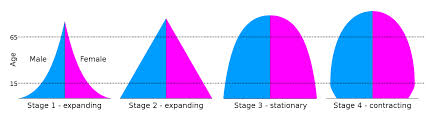
“The technology advances bring deep social change. Never in history have we had the age distribution we are about to experience. We’ve had the pyramid. Now it’s a rectangle. By 2050 it will be a trapezoid; there will be more old people than young.

“No matter what happens, life will be different. Demographics and technology access will drive the change. I am not scared of it personally, but that’s where conservatives have a hard time. They like hierarchy and structure. Technology is flattening society. That’s an uncomfortable place for them.”

imgres-1


Posted in Responses | Tagged , , , , | Leave a comment

Profile Response: Steve Miner, Lime Rock, Medford, OR

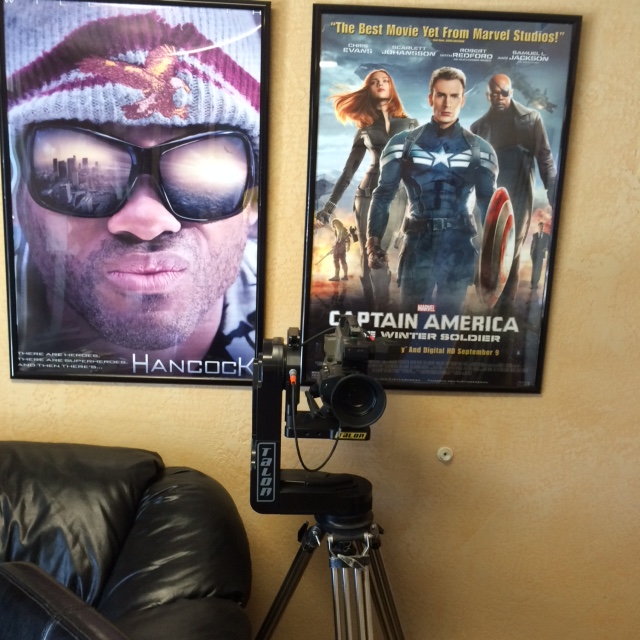
HWWLT Logo on yellow“My job here is to take us out of Hollywood and into industrial markets.” One glance at the movie posters that line Lime Rock’s front offices reinforces the company’s Hollywood pedigree. Virtually every film with any special effects uses the Talon repeat motion head camera that Steve Miner’s partners’ created. The camera fills in backgrounds with frame-by-frame accuracy. Matt Damon can run past a blank screen in a studio; post-production can place him in Paris, Moscow or San Francisco.

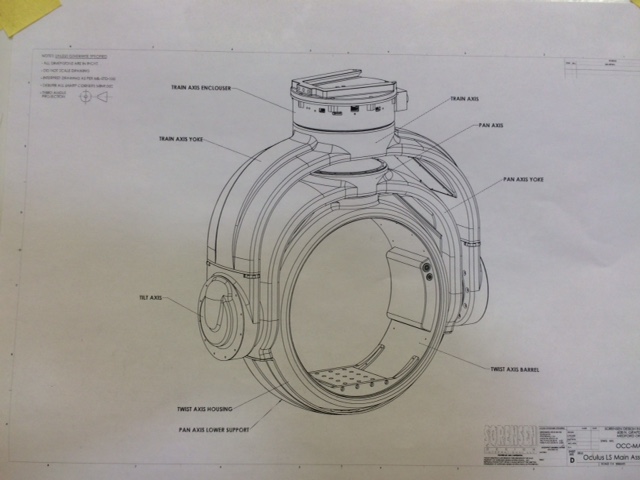
IMG_4180Lime Rock is a $5 million company with an elite staff who design and build motion control devices extrapolated from the Talon technology. Clients include individuals and companies, both domestic and abroad, who wish to document at great clarity and distance. “We can mount a camera on a helicopter with very light carbon filter directional panels and zoom in on a license plate half a mile away.”

Steve has an historical perspective on the benefits of making things smaller and lighter. “After World War II the Russians got more, better German scientists. They developed rockets with greater lift capacity than ours. We developed transistors to make our rockets lighter. We came out ahead in the space race and established our excellence in electronics. Today, our economy is driven by electronics.”

Beyond Lime Rock’s front office, mechanical, electrical and software engineers design and fabricate prototypes. “We design everything here and build the first one to five units on site. Once we have an order for twenty-five or more of a particular device, we fabricate them in China at 1/5 the cost.”

IMG_4187 IMG_4183 IMG_4192

Steve and his partners are at a point in their careers where the thrill of the problem eclipses the drive for money. “About a third of our projects die an early death. Either they aren’t good ideas or they cost too much to bring to reality. We’re not trying to be a $100 million company. We don’t have a web presence. We don’t advertise. The people who need us, know about us. We do what we like and take weekends off.” Actually, all Lime Rock staff wind down the week a bit early: every Friday they share a catered lunch.

How will we live tomorrow?

IMG_4195“I have a positive prejudice toward technology. The only way we escape chaos is though technology. We live in the most peacefully positive era of life on earth. The unintended consequence of such success is over-population. Technology has succeeded too well. We are going to have to do something disruptive to address that. The disruption will come through technology.

“In the next twenty years we will solve the energy question. I don’t know how, but we will. We will develop cheap, non-fossil fuel energy. That will equalize the playing field. Developing nations will come into more affluence. Family sizes will shrink, and we can get to population balance.

“I see us becoming more like Europe. We won’t truck fruit from Costa Rico to Oregon. We will become more decentralized. We are going to share more. You own a few things, rent other things, eat local food and import high value goods, not everything.

“By any measure almost every person in the USA lives better than Louis XIV did 250 years ago. He had gout, bad teeth, and no heat. We lose perspective on how good things are now.”


Posted in Responses | Tagged , , , , | Leave a comment

Featured Response: David Sachs, Bedford, MA

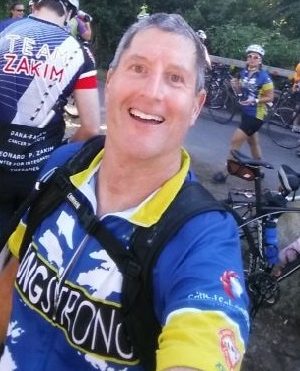
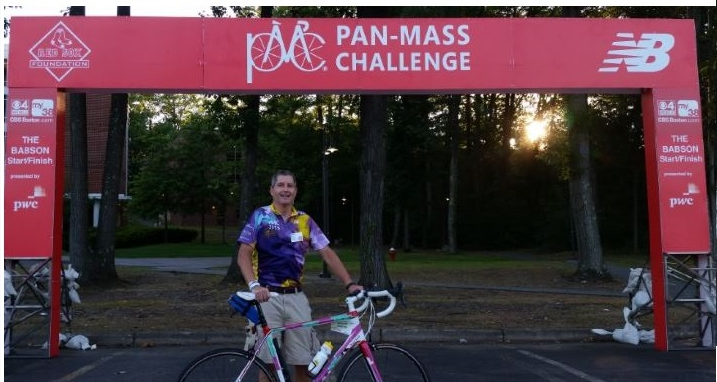
HWWLT Logo on yellowDavid Sachs and I have never met, but he has been following my adventure for the beginning and shared his desire to do something similar, someday. This week, David sent me his response to “How will we live tomorrow?” coincident with November being Lung Cancer Awareness Month. The photos are from Dave’s recent participation in the Pan Mass Challenge.

How will we live tomorrow?

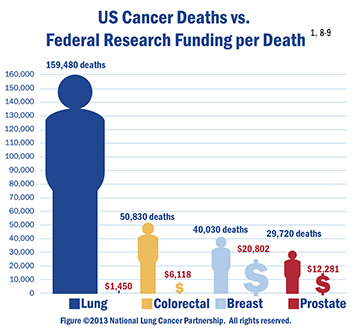
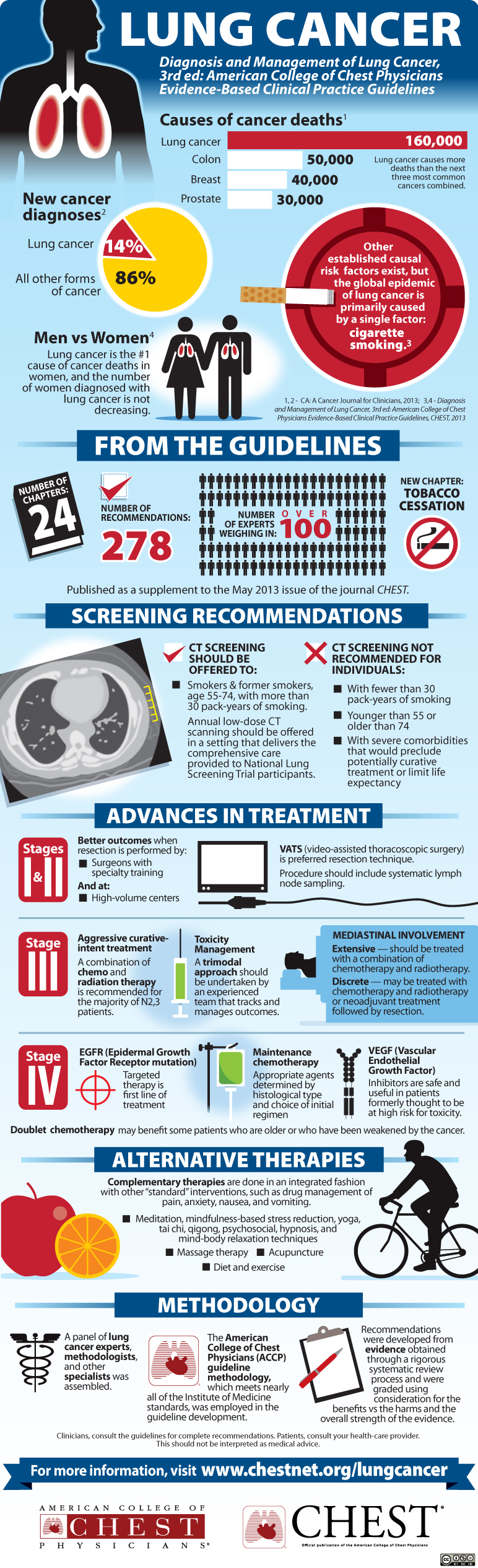
Screen Shot 2015-11-19 at 3.38.31 PMEveryone has a limited lifespan, and then we will die. Healthy people generally believe they have 20 or more years left to live.  When I was 20, I thought someone 40 years old was “old”.  Now I’m 53, and I think 70 is old.  Statistically, I probably won’t see 60 in my lifetime.  I have metastatic lung cancer.  I never smoked, I have been a “runner” since high school, as well as triathlete, cyclist and scuba diver.  Despite this, the perception is that lung cancer is a self-inflicted disease.  This may explain why lung cancer research funding is lower than any of the other leading cancers.  Yet lung cancer is the number one cancer killer in our country, and the world.  In fact, lung cancer replaced breast cancer as the leading killer of women, and kills more men than prostate cancer.  Researchers believe people such as myself, called “never-smokers” would be the 6th largest group of cancer patients.  Yet due to the stigma, our cancer is not adequately funded.

Screen Shot 2015-11-18 at 3.48.32 PMNeither my doctor nor I know for certain how I was stricken.   However, thanks to a clinical trial I am now on a targeted therapy that is giving me a fighting chance.  But as with many targeted therapies, it will only work for so long, and then I will need to try another medicine, or perhaps make a decision if chemo is worth a second shot, or even to die with dignity (my first two rounds chemo didn’t go well for me at all).

Screen Shot 2015-11-18 at 3.45.13 PMToday I focus on living for the day.  I try to be involved with my children as much as I can, to make memories with them, and impart any “wisdom” that I may have.  They are only 8 and 9, and they know I have lung cancer.  We haven’t discussed how sick, or what the ramifications of this disease are since I don’t appear ill.  I have told them that my lung cancer had initially spread to my spine, my ribs, my liver, and kidneys, and brain.  Now I’m down to two small tumors in my lungs, thanks to the clinical trial! Hopefully my children will be a bit older before I need to have “the talk” with them, revealing that I most likely won’t be able to outrun this disease forever.

I meet with a palliative doctor.  She mentioned that for many people, the way we live each day is the most important example we can give our children.  In many ways I don’t worry about living tomorrow.  I worry about living today, and making this day count.  If I make it to tomorrow, I will live it the same way!

Screen Shot 2015-11-18 at 3.46.39 PMLung cancer fact sheet: http://www.lung.org/lung-health-and-diseases/lung-disease-lookup/lung-cancer/learn-about-lung-cancer/lung-cancer-fact-sheet.html

More about me, and my fantastic ride with the Pan Mass Challenge   http://www2.pmc.org/profile/DS0382

Lung cancer infographics

http://lungcanceraware.weebly.com/uploads/2/9/9/5/29952437/2110487_orig.gif

https://ualc.s3.amazonaws.com/images/10.18.12_lung_cancer_fact_sheet.png

http://img.docstoccdn.com/thumb/orig/5800086.png

http://healthresearchfunding.org/wp-content/uploads/2014/02/Lung-Cancer-Statistics-and-Facts.jpg


Posted in Responses | Tagged , , | Leave a comment

Profile Response: Neil Smith, Airscape, Medford, OR

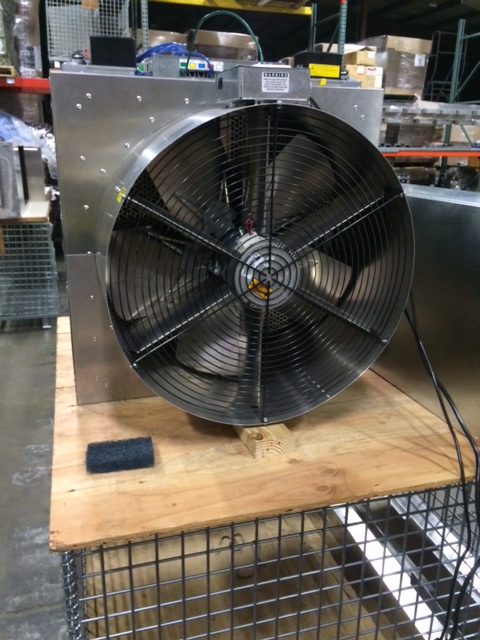
HWWLT Logo on yellowSometimes my architect’s eye picks up details of our built environment that become relevant later. Cycling through Oregon I noticed many more roof vents on new houses had than I’ve seen in other areas. I figured local building codes required high ventilation levels. Then I met Neil Smith, Owner of Airscape, a company that manufactures programmable, quiet, and energy efficient whole house fans that accommodate Oregon’s stringent requirements. “California has changed its energy code to require whole house fans in certain regions as well. That’s good for us, but not as good as it might seem. The changes only apply to new construction.”

IMG_4205Neil is a small business owner – Airscape has fifteen employees, one location and $6 million in sales – holding his own against some larger competitors by making high quality products and selling related components online. “We offer fully sealed closing doors when the fan’s not in use. That’s an energy saver.”

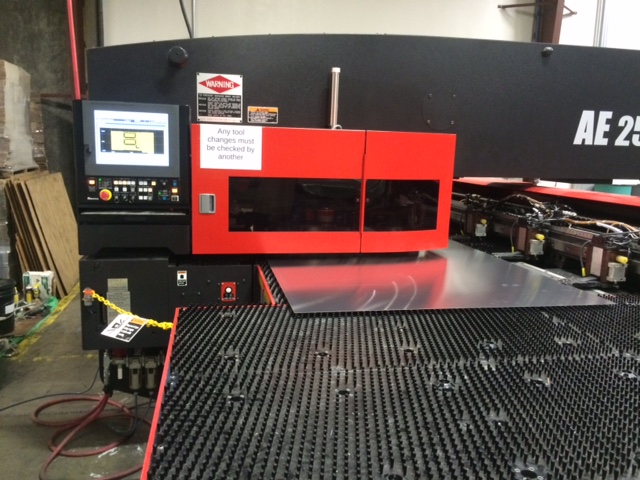
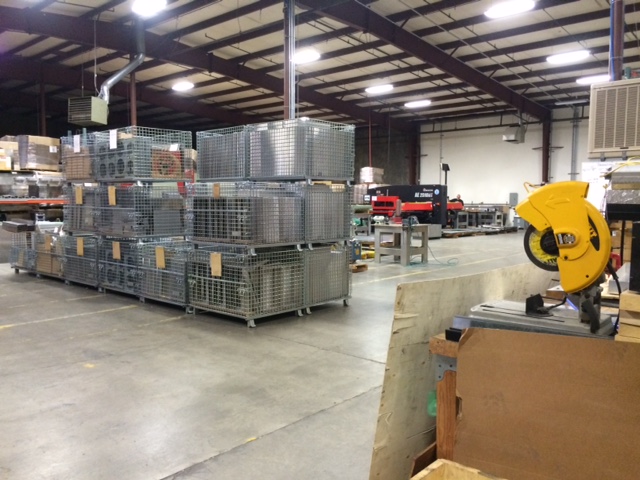
IMG_4202Neil toured me through his operation and showed off his latest improvement, a large-scale CNC punch. “Last year I spent $550,000 in equipment. This year I want to invest in people. If we grow to be a $10 million company the staff doesn’t have to grow in a linear way.” But along the way, his philosophical diversions proved to be as interesting as his fabricating shop.

IMG_4198 IMG_4199“I used to only distribute stuff, now I make it. When you make something, you live it. That makes it more important and rewarding.

“What do you do when you have everything? You worry about what you can lose.

“I think we’ve had an artificial Middle Class, put in place by the prosperity of the last century, as opposed to good habits.”

How will we live tomorrow?

IMG_4203“Who’s we?

“I really don’t know the answer. I can tell you for sure it won’t be this way. Nobody is happy following the American experience. That’s why they come to Ashland, to get away from the rat race.

“What scares me most is our libertarian streak. Have you been to Silicon Valley? For once, engineers and technocrats have power. They are in control now and are worse than anybody.

“We are set up to recognize fast moving danger, but we’re blind to slow danger. It’s a blatant defect in our programming. I will stop worrying when my children start worrying. We need to be engaged. In the Army, at my work, we have comrades. They are tighter than friends. We have moved from the positive aspects of unions to the protectiveness of guilds. They skew our perspectives on the individual by protecting the few.

“Money is the only free speech we have. Politicians use our money to get us to like them. We are a nation of myths. We are so caught up in being sold things, it’s as if our brains short circuit to advertising.”


Posted in Responses | Tagged , , , | Leave a comment

Profile Response: John Javna, Ashland, OR

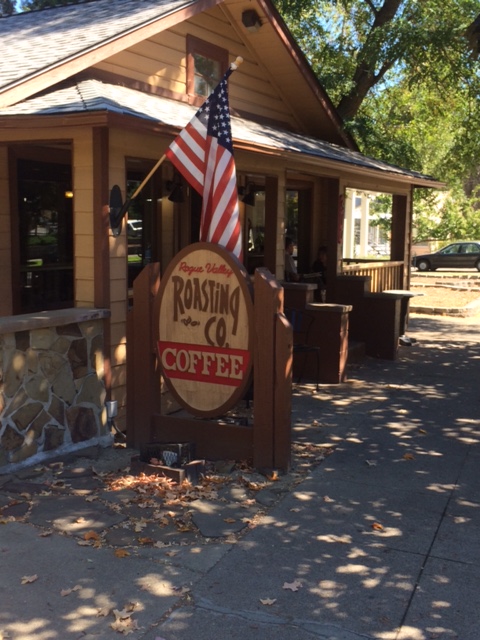
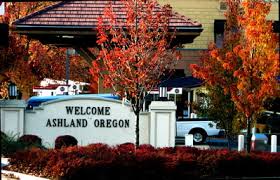
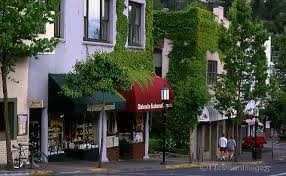
HWWLT Logo on yellow“I like the idea of talking about myself, but I have limited time.” John Javna said as he checked his flip phone. We were sitting on the front the porch of Valley Roasting Company in Ashland OR at 10:30 a.m. on a Monday morning. The place was packed. Life and work in this town revolves around coffee shops. Despite his comment, John spoke for more than an hour more.

IMG_4174To hear John describe his life, he’s bounced among a variety of curios adventures and, by serendipity, each has turned into a personal and economic success. I suppose that’s how a self-proclaimed Berkeley liberal who made dollhouses in Vermont, wrote a series of pop culture books about the 1960s, and eventually penned the five million copy bestseller, Uncle John’s Bathroom Reader, needs to describe himself. His persona depends upon appearing counterculture. Regardless, John must have worked hard to publish over fifty books and create a brand he sold for enough money to devote the last twenty years or so to community pursuits in Ashland. “I became a self-publisher, though I am not a business man. Businessmen think of money as a commodity I just happened to make money from what I did.”

imgresI don’t buy that line of reasoning, but as a chronicler of the1960’s, John is savvy to the vagaries of reality and illusion. “If you want to talk about how will we live tomorrow, you have to be honest about how we live today. People create truths to suit their purpose. What people believe is not what really happened. The iconic milestones that define our world are often fabricated. We think they represent the best part of ourselves, but the reality is disillusioning.”

John met his wife in Vermont, they moved to the Bay Area during his publishing phase, and when their son was five they moved to Ashland. After he sold the Uncle John brand he spent two years helping reenvision what is now Scienceworks. “I sat in that empty space and thought, ‘What should this look like?’ If you have a vision you can go far. I had a vision for the museum and thirteen years later, here it is.”

imgres-1The 2004 election drew John back to publishing and he wrote 50 Simple Things you Can Do to Fight the Right. “I didn’t want my kids to live in a world where others define how we’ll live. “ It was a terrible experience. Politics is so adversarial and John had to “live in the enemy’s camp” to write it.


John turned his focus back to Ashland. During the 2008 recession, the local Food Bank closed one day a week for lack of food. John came up with the idea of collecting donated food door-to-door. Thus began the Ashland Food Project, through which a quarter of the people in town donate food every month. “My persona credo is ‘A small thing done well is a big thing.’” The Ashland Food Project started small, but created a template for other communities to followimgres-2. There are now similar projects in 45 communities in 11 states. John provides guidance and support for new endeavors. “This is the most powerful thing I’ve ever done.

“I believe in collective consciousness. Everyone knows something; no one knows everything. We are social beings. We need to know that what we do matters. Community is not large. It’s concentric circles. The largest circle is our town. Beyond the perimeter of our city, community isn’t real. Its an idea.”

How will we live tomorrow?

IMG_4172“How will we survive tomorrow? That’s about water. How will we live tomorrow? That’s about community. Not community of choice; that fosters polarization We need to have enough in common to understand our connection yet include a range of diversity.”

Posted in Responses | Tagged , , , , , , | Leave a comment

Profile Response: Chip Lindsey, Scienceworks, Ashland, OR

HWWLT Logo on yellowThe natural history museum in Ashland is extinct. It was a great idea, with lots of money and a spiffy building back in 1993. But after three years, the museum closed and the building was shuttered for six years. Community leaders investigated how to repurpose the contemporary structure on the edge of town. They decided that something more participatory, with a science bent, might succeed where dioramas had failed. A consultant proposed a $4 million retrofit, which didn’t fit either the spirit or budget of the new enterprise. So they got local volunteers to build exhibits and refurbished the place for a tenth that amount. Now Chip Lindsey, Executive Director, oversees a thriving educational resource. “The intellectual bank of capital in this area is huge. There’s no reason a museum like this exists in a community this size. It’s the community’s museum. It could only happen in Ashland.”

images

As museums go, Scienceworks is not splashy. But the homegrown quality of some of the exhibits actually adds to the participatory gestalt. Nothing seems precious here. Chip, his staff of fourteen, and their army of volunteers provided science opportunities for almost 75,000 people last year – more than three times the entire population of Ashland. They’ve even turned their ability to create exhibits into a profit-center, earning $100,000 last year by building exhibits for other institutions.

IMG_4163

Chip’s background is in biology and education; he takes an organic view of learning. “The phrase, ‘a man never steps into the same river twice’ applies to how children learn.” We cannot know, in advance how a given child will respond to a particular opportunity. Scienceworks’ objective is to provide opportunities unlike those found in traditional classrooms. “All learning is free choice. Here, we are masters of free choice learning.”

imgresOregon has no standardized test requirements in science, only Language Arts and Math. As a result, science can be relegated to as little as fifteen minutes of classroom time every other week. Many elementary school teachers are uncomfortable with science, and so aren’t keen to teach it. “If you look at a child’s total waking time from birth until adulthood, only 15% of it is spent in school. We have to focus on capturing some of that other 85%. On Saturdays, we see affluent white and Asian families. We don’t see working class families and people of color. Our challenge is to make this place relevant to people who didn’t grow up going to museums. If people don’t put wrinkles on kid’s brains early, their brains won’t get wrinkled.”

IMG_4169Although Scienceworks, like most science museums, has a focus on school-age children, it also promotes programs that merge art and science, provide hands-on opportunities for adults, and offers family-centered programs. “We simulcast the Mars Landing in our theater at 10:30 at night. The place was full, although people could have watched it at home. We made it a group experience. One that spanned across our entire community.”


How will we live tomorrow?

IMG_4170“The museum of the future will be a place where people go to learn on their own terms and share. We have to make it interesting and relevant.”


Posted in Responses | Tagged , , | Leave a comment

Nature Bats Last Radio Interview

imgresOn Tuesday 11/17 I was the interview guest on prn.fm radio program, Nature Bat’s Last to discuss my journey and question to date.  Here is a podcast link for anyone interested in listening to the program.

Posted in Published Articles | Tagged , | Leave a comment

Trip Log – Day 197 – Scottsdale, AZ to Tempe, AZ

to PhoenixNovember 18, 2015 – Sun, 65 degrees

Miles Today: 39

Miles to Date: 10,142

States to Date: 26

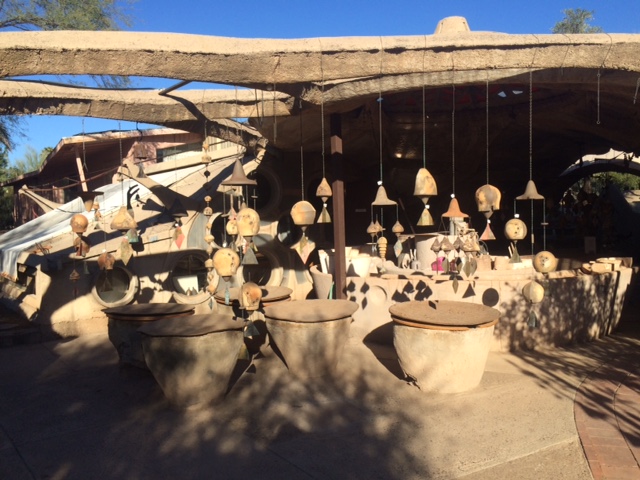
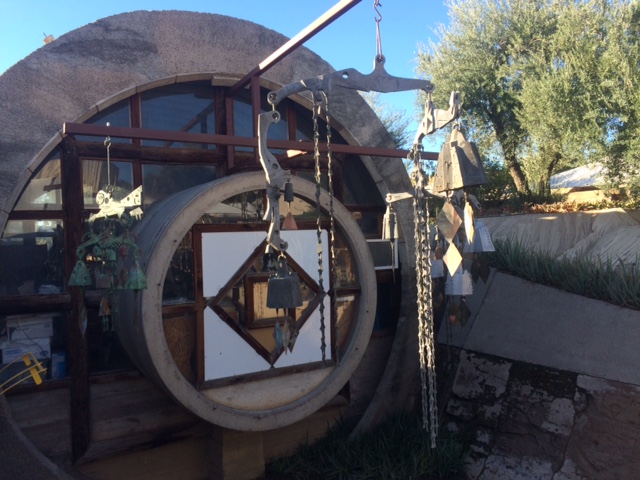
My hosts, Janice and Stew, are long time Scottsdale residents who suggested I visit Pablo Soleri’s studio, only a few miles away from their home. Soleri was an architectural darling back when I was in graduate school. His writings about ecological architecture and constructing Arcosanti, a self-sustaining city in the desert north of Phoenix, were visionary.

IMG_5326 IMG_5328 IMG_5327

Unfortunately, they still are. Soleri is now best known for his beautiful bells and wind chimes, which craftsmen devotees still create by hand at his Pleasant Valley Studio. As I strolled through the fascinating but weird place, I couldn’t help but think about my question. Soleri had great insights and ideas, but he dealt in the future, promoting ideas untethered to contemporary reality. Forty years on, his devotees are still hawking bells to finance construction of a conceptual city. I’ve always been more interested in tomorrow, which is always a direct outgrowth of today and starts from where we are.

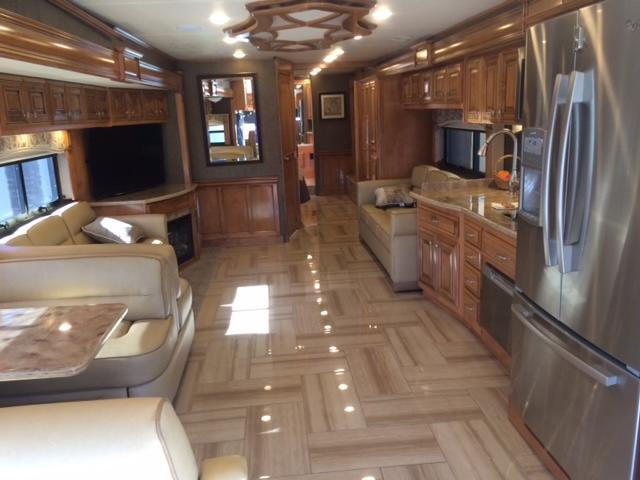
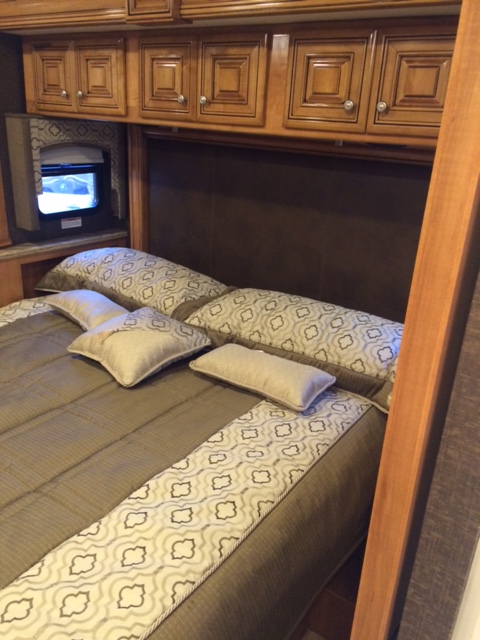
IMG_5329I left Soleri’s fantasy world to grapple with a hard reality that all tour cyclists fear – motorhomes. I’d sent an interview request to Camper World, one of the largest dealers along Mesa’s RV mile. But sales people and managers hot pototoed me until I stopped bothering trying to get any perspective on the RV industry and just enjoyed touring the models. Van conversions are nifty but feel like camping. Small motor homes, in the $100,000 range, have plastic laminate partitions and dingy showers. If you want top of the line, with extensions to make your ride twelve feet ride when parked, luxury leather sofas, and a full French door refrigerator, the list price is $405,000. From now on, when these behemoths storm me down the road, at least I’ll know I’m being unbalanced by a whole lot of dough.

IMG_5333 unnamed IMG_5331

Since today was my last riding day for some time I indulged in Golden Corral Buffet, two hours of pretty good food that, cumulatively, constituted a pig-out. When I couldn’t delay any longer, I rode my bike to Landis Cyclery, checked Surly in for a major overhaul, changed into street clothes, caught one bus, then another, transferred to light rail, and got to the airport.

IMG_5334Everything was smooth until I reached security. The TSA agent analyzed my bike lock and decided I couldn’t carry it on. At $25 each way, it was hardly worth checking. I considered locking it to an airport bike rack, hoping it wouldn’t get hacksawed off in my absence, until an Information agent offered to deliver it to the bike store for me. Glenda and I became fast friends. I learned all about her grandkids, her daughter-in-laws spending habits and growing up in Pennsylvania. Even though I was separated from my trusty Surly, Glenda proved to be yet another bicycle Samaritan. At least I hope so. I won’t know for sure until I return to Phoenix and see if my lock found my bike.

IMG_5335A misplaced bike lock is the lame cliffhanger to this chapter of my journey, a journey that will never grace the silver screen because my mishaps are dramatically trivial compared to the goodness and light I have experience everywhere.

This is my last Trip Log until I return to Phoenix in January. I hope readers will continue to enjoy profiles and responses. And if you haven’t contributed your thoughts to my question, make that your end-of year resolution. How will we live tomorrow?

Posted in Bicycle Trip Log | Tagged , , , , , , , | 9 Comments

Profile Response: Dorothy and Steve Miner, Ashland, OR

HWWLT Logo on yellowDespite my attempt not to draw conclusions across people I talk with until my journey is over, some themes are so striking they cannot be ignored. Without exception, every person I speak with who’s made a non-economic life choice – whether how they work or where they live or what they study – is happy with their decision to step sideways from the economic ladder. No one exemplifies this truth more clearly than Dorothy and Steve Miner, who uprooted their family from suburban Boston and moved to Ashland OR seventeen years ago.

images-1“When our oldest son Jake was in middle school, he was diagnosed autistic. It was our wake-up call to move to a place where he, and our other two boys, could thrive in their best possible way.” Steve’s an engineer, by training and temperament. He and Dorothy built a checklist of places that met their criteria of small cities with four-season climates and a community focus. They identified seventeen potential places, all in the West, flew to Albuquerque with their sons, rented a van, and struck out to visit them all.

images“The day we landed in Ashland, we knew this was the place.” Steve described their experience as the three of us walked through the gorgeous preserve that runs from downtown, past the Oregon Shakespeare Festival outdoor performance arena, and up a ravine. “We came to this park. It was a night when Mars was orbiting close to earth. Half a dozen people had set up telescopes and let anyone passing by take a look. I though it was some astrological group, Turns out it wasn’t anything organized. Guys with telescopes figured that if they wanted to view Mars, others would as well. So instead of watching from their homes, they brought their scopes to the park. Six of them, without coordinating their effort.” Dorothy and Steve knew that instant Ashland was the place, but being the thorough engineer he is, they still visited the rest of the towns on their list.

images-3Dorothy and Steve have no regrets of their decision. They love Ashland. They like how the community looked out for their sons as they grew up. “Living here is like being in a fish bowl. That is both good and bad. But when you’ve got three teenage boys, it’s mostly good.”
Like most people I’ve met who’ve made ‘non-economic’ life choices, the economics of Dorothy and Steve’s decision have worked out just fine. Steve’s an expert at turning around tech-driven businesses. Sometimes he works in Ashland or nearby Medford, other times he’s worked remotely. Dorothy’s a Physician’s Assistant whose skills are needed anywhere. The ability to make ‘non-economic’ choices is easier for well-educated people with valuable skills.

images-2Dorothy and Steve’s three sons are grown now. They live far from Ashland, though one is about to return for a stint. But Dorothy and Steve are not about to follow their boys. In fact, they recently downsized from their family home to a smaller place down the street. Ashland is their town now. They aren’t going anywhere else

How will we live tomorrow?

me and miner“I’m thinking about what has to change. The disparity between the ‘haves’ and the ‘have-nots’ has to end. I am a ‘have.’ As a ‘have’, I am trying to balance the things I do with what I think are good deeds, but they don’t seem to do much to address the problem.

“The food issue is huge. The American way is free enterprise, but that’s not okay if you’re harming people. The big food companies are doing harm.

“The ‘me’ component of things is more extreme. We have become more isolated and more narcissistic. On the other hand, our children’s generation is better. They are content with less.” – Dorothy Miner

“There are three requirements for happiness in life: something to do today; something to look forward to, and someone to do it with. That’s all you need. If you have the fourth, a stable foundation, then the first three can be sustained over time. We have all four. We want everyone else to have them as well.” – Steve Miner


Posted in Responses | Tagged , , | Leave a comment