Profile Response: Kurt Neugebauer, Eugene, OR


HWWLT Logo on yellowKurt Neugebauer loves his job as Associate Director of the University of Oregon Art Museum. “I create experiences that people will never have in other ways.” Kurt walked me through the Jordan Schnitzer Museum of Art on the UO campus, pointing out his role in curating and mounting various exhibitions. His hand is evident in the exhibit organization, descriptive text, color, and lighting. He even designed several display cases. “Our lives are a series of events that we differentiate as ‘special’. That is what separates us from other animals. The challenge of our lives now is that many of us are not fully nourished; our creativity is untapped. The closest thing I know to a god thing is our capacity to design. I don’t know where it comes from, but it’s generative.

imgres-1 images-2 IMG_3935

How will we live tomorrow?

IMG_3945“What’s going to survive? Not us. The earth will survive. It will grow and change. We are the ones who will be gone. Earth has taken so many forms before, it will evolve again.”


Posted in Responses | Tagged , , , | 2 Comments

Trip Log – Day 183 – Long Beach, CA to Fullerton, CA

to FullertonNovember 4, 2015 – Sun, 70 degrees

Miles Today: 37

Miles to Date: 9,405

States to Date: 25

People ask me if I am on this trip to find my perfect place to retire. I am not. However, if I were, I would have to consider Long Beach. In twenty-four hours I pretty much fell in love with the place.

IMG_5073 IMG_5074 IMG_5075

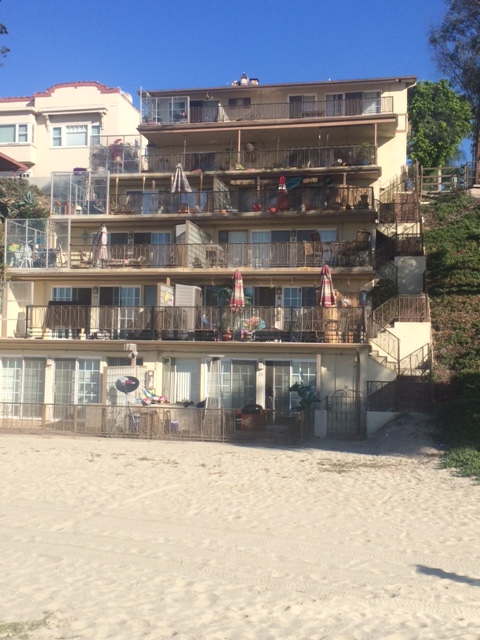
First, there are the usual reasons – near constant sun, great temperatures, ocean breezes. Then there are my own idiosyncratic reasons. I spent time in a different public library each day, and the libraries are great. The bike path system is terrific, probably the best in Southern California. And, it’s a real place. Yes, Long Beach has condos along the beach and a big Hyatt and conventional tourist stuff, but it also has the Port of LA / Long Beach, the largest port in the United States. Having ‘real’ industry saves Long Beach from the ‘plague of being precious’ that permeates places like Santa Barbara. A guy like me could grow old, happy and healthy in Long Beach.

IMG_5084 IMG_5077 IMG_5079

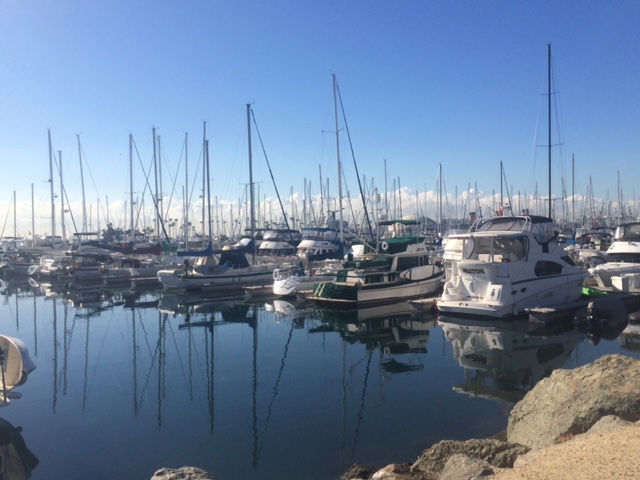
imgresThe Community Relations Director for the Port of Long Beach gave me a fascinating tour of the port in the morning. Before I left town I indulged in a California fast food ritual: In’n’Out. That fueled me to Fullerton where I stayed with Kevin, a Korean-American adventurer and deep-sea photographer. We exchanged hours of great conversation and I enjoyed my first Korean barbeque.

images images-1

Posted in Bicycle Trip Log | Tagged , , , , | 2 Comments

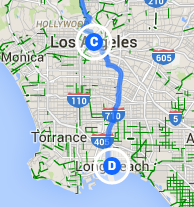
Trip Log – Day 182 – Los Angeles, CA to Long Beach, CA

to Long BeachNovember 3, 2015 – Sun, 75 degrees

Miles Today: 36

Miles to Date: 9,368

States to Date: 25

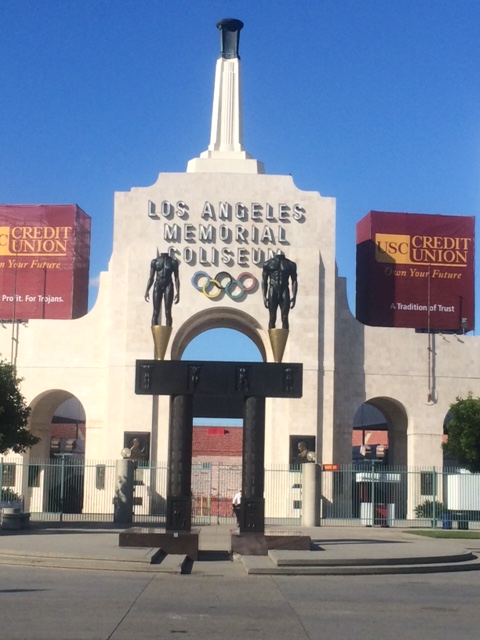
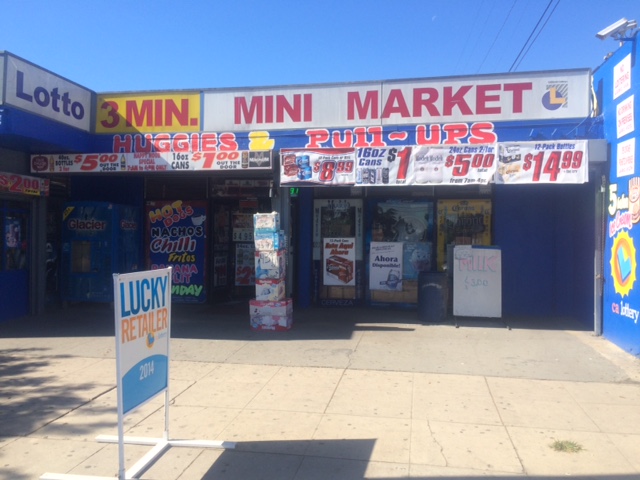
LA_type_map18x24_rainbowsToday I ventured where, I’ve learned, many Angelinos don’t go: down the dogleg of this great city to South Los Angeles and Watts, into Compton and Long Beach. In the bright mid-day sun these places aren’t the least bit scary and are full of intriguing characters. I met an eccentric meditator at the Coliseum, a wiry guy in an old pick-up in Watts, and some big mama’s at Budso’s Barbeque Shack. Still, LA’s Broadway looks more like a boulevard in a developing country than anyplace else in the United States. The garish colors, murals, used appliances, and lumpy mattresses spread across the sidewalk all proclaim that this place moves to a different set of expectations.

IMG_5053 IMG_5057 IMG_5059

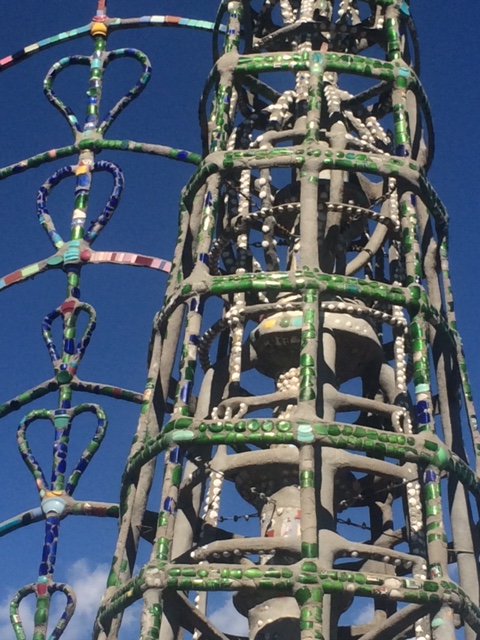
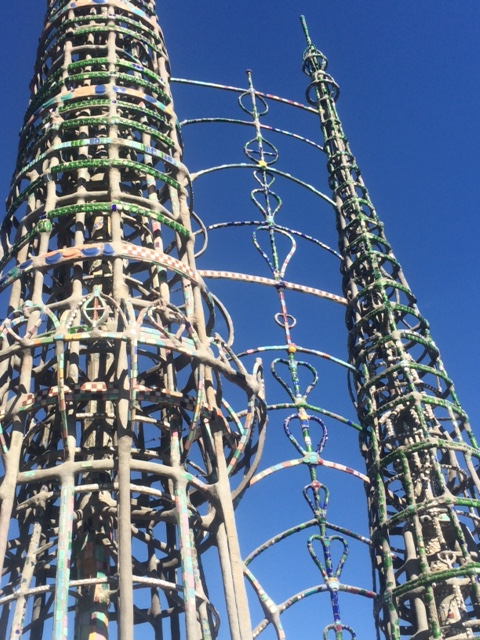
After visiting so much ‘formal’ art in LA, I was hip to visit Watts Towers. For some reason, I thought they were related to the 1965 Watts riots, but in fact they have nothing to do the riots of or the African-American community. Sam Rodia, an Italian immigrant, built Watts Towers between 1921 and 1955. Then, Sam left LA and never returned to visit his creation. They fell into disrepair, were rescued, catalogued, preserved, and are now part of a State Park complex.

IMG_5062 IMG_5063 IMG_5065

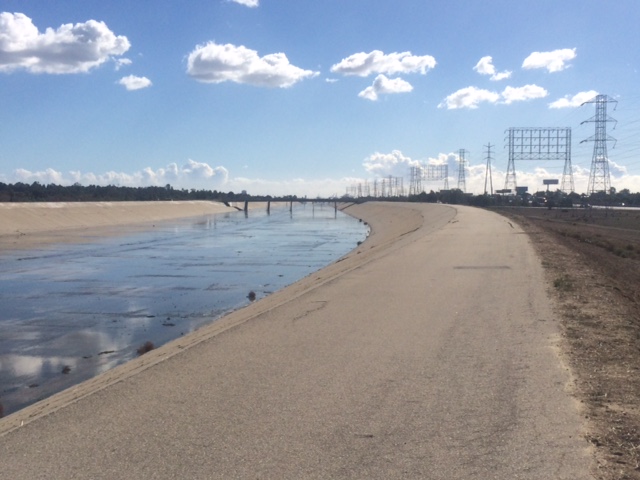
IMG_5066The rest of my ride, along the LA River Bike Path, gave me opportunity to muse on the various art I saw in LA. The Getty Villa and Getty Center are renowned centers of fine art and conservation. The Disney Concert Hall is art in itself. The central garden at The Getty Center is a living work of art, while the Watts Towers are great folk art elevated to fine art status.

I think for most of us, creating is more satisfying than maintaining, yet we’re dedicating to preserving art that often takes more human and monetary capital to preserve than it ever took to create. The tour guide at The Getty Center described the central garden as, “The Center’s most expensive piece of art, with a cost that will continue to grow.” Meanwhile the State of California is spending all kinds of money to preserve Watts Towers. Towers which, given today’s development restrictions, could never be built in the middle of the city. Towers that Sam Rodia finished, walked away from, and never saw again. Is there a limit to how many millions The Getty will spend snipping individual leaves from trees in the central garden to create specific shadows on the walking path? How long will we preserve the bits of cement and ceramic that Sam Rodia stuck together? A hundred years? A thousand years? Is it ever okay to say that a garden is a natural thing that will grow its own way and an immigrant’s vision, once executed to his satisfaction, can be allowed to disintegrate? At what point does preserving things thwart our own ability to create?

IMG_5064 imgres

Posted in Bicycle Trip Log | Tagged , , , , , , , | Leave a comment

Profile Response: Joanne Gray. Healthcare Operations Manger, Eugene, OR

HWWLT Logo on yellowWhen I have formal interviews with individuals, they often respond to “How will we live tomorrow?” in the context of their position. Others provide personal perspectives. Those perspectives don’t necessarily jive with the reality of their present: affluent executives are prone to talk about simple living without actually doing it. But I’ve never spoken with anyone whose demeanor, career, and accomplishments are more disconnected from her response to my question than Joanne Gray. Joanne is the antithesis of someone mining consumer culture while espousing simplicity. Joanne lives simply and honestly. As a healthcare administrator she’s dedicated to providing the highest care to the greatest number of people. Yet her thoughts on how we will live tomorrow reveal and entirely unexpected perspective. After we talked, Joanne asked that I not use her real name or location, for reasons that make sense to me. I am honored that Joanne responded to my question so candidly. Although the details are changed, the outline of her life, and her quotes, are accurate.

images-1Joanne Gray switched gears mid-life. She moved to the West Coast to pursue a PhD. in Health Services at University of Oregon, fell in love with Eugene, fell out of love with a lazy husband, and wound up running operations for the local hospital. She has a left-leaning heart and a hard-head for numbers. “I have never worked as an advocate. To be an advocate you have to ignore inconvenient facts.” Joanne recognizes nuance in every situation.

images-2In her work, Joanne sees first hand how our ability to extend lives affects the cost and delivery of health care. “Different cultures have different perspectives on the end of life. The challenge is not only to physicians; sometimes it’s the patients. We have many patients, often academics, who want every measure applied to extend their life. I have also known religious people who want to extend their lives. According to them, the longer the body is alive, the more chance God can intervene with a miracle.”

images

Joanne has no children and few close friends. She admits to being tied to her work. However, Joanne is also a classically trained singer whose bond with Eugene is strengthened because of the excellent voice teacher and two  choruses she belongs to here. “Singing is my relaxation, my meditation, my release from work.”

How will we live tomorrow?

images-1“I find this a disturbing question because it explores something I ignore. I have never been able to envision a future. I am single and have never had children. You would think that a person who got a PhD. would plan for the future. In the business world I can plan, but in my personal life I have no idea how to envision the future. I am very susceptible to inertia.

“I think part of it is that subconsciously, I refuse to have any expectations, because that way I can’t be disappointed. I just try to get through each day being a good person, finding small ways to help other people, and doing a good job at my job.

“The other part of not being able to answer, “How will we live tomorrow” is that I don’t consider myself to be part of any “we.” I know I don’t come across as particularly disconnected or self-effacing, but I do feel as though I could vanish tomorrow and no one would notice. But hey, I have good meds, so I’m pretty good at going through the motions of being a real person.

“I understand how it happened, that I have spent 17 years in Eugene, yet I have only one real friend in the area. I invested heavily in people who were not capable of giving back, or whose circumstances meant they passed through my life and didn’t stay. I finally like my job, I need my job, and my job claims virtually all my time and energy — another reason why it’s hard to envision the future.”


Posted in Responses | Tagged , , | 2 Comments

Trip Log – Day 181 – Los Angeles, CA

Screen Shot 2015-10-28 at 11.23.31 PMNovember 2, 2015 – Clouds, rain 65 degrees

Miles Today: 19

Miles to Date: 9,332

States to Date: 25

If there is any doubt that LA is literally the opposite corner of the country in every respect from my home world; that was dispelled today. Bostonians are so used to rain it’s just a nuisance; it’s the sun we adore. But in the land of the eternal sunshine – and record drought – nothing is greeted with more acclaim than rain.

IMG_5042The forecast was 70% change of rain. In the morning that dropped to 30%, and moods proportionately plummeted. My lunchtime companions compared various weather apps; ranging from 70% to 90% change of rain at 6 p.m. I spent the day in Northeast LA, meeting with insurance brokers and The Unusual Suspects, a non-profit theater group that works with incarcerated and disadvantaged youth. I also visited the gorgeous campus of Occidental College and the gentrifying neighborhood of Highland Park: juice bars and sushi restaurants next to pool halls and bodegas.

30611 images-1 images-2

images

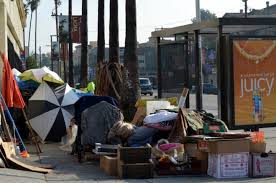
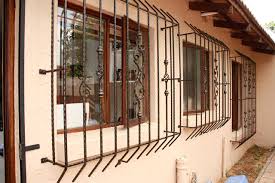
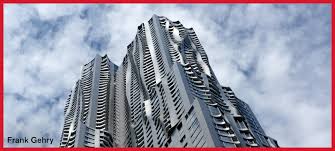
My first day of riding after the end of daylight savings time caught me short, and I had to scurry back to my niece’s before it got dark. The clouds were thick, the traffic thicker. I saw some ferocious fender benders and slithered through long lines of stalled vehicles. Within a few blocks I passed the multimillion dollar International Style homes along Silver Lake Boulevard, the makeshift hovels of shopping carts and tarps under the railroad bridge, the banners proclaiming Frank Gehry’s new tilted high-rise exhibit at LAMCA, and stucco bungalows girdled with iron bars and spear-headed fences. Los Angels is too spread out to have the face-to-face encounters of income disparity I witnessed in San Francisco. Here, it’s all expressed in where people live.

images-3 images-5 images-6 images-4

I got home by five as the first drops splattered. Within ten minutes it was pouring outside but I was in a warm shower. Within an hour the rain was over and LA began to dry out from its big event.

Posted in Bicycle Trip Log | Tagged , , , , , , , , | 1 Comment

Profile Response: Dave Cary, Salem, OR

HWWLT Logo on yellowDave Cary is hard-bodied. At age 69 he cycled from Seattle to Portland in a single day. Last year he built a deck onto his house: by himself, with twelve-foot 2×12’s. Dave’s seventy-six now, and bemoans that his physical prowess peaked at age 68.

Dave Cary is soft-souled. More than forty years ago he picked up a hitchhiker, gave him a ride and lunch money. Later that afternoon, the kid came to Dave’s office with his lunch receipt and the change. Impressed by this extreme honesty, Dave delved into the boy’s story and guided a reunion with his parents. That teenager cemented Dave’s faith in humanity.

Dave Cary is a serial entrepreneur. He’s owned a 24-hour donut shop, a seafood restaurant, three different pizza joints, and a tavern. “My strategy was to buy build-up, and sell.”

Dave Cary is a serial husband. He’s been married three times. Sharon, his wife of twenty-three years, has been married twice. They have six children total between them. “We are the marrying kind. Almost a hundred years of married life between us.”

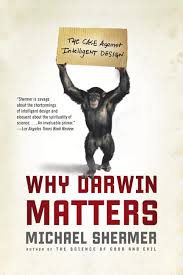
imgresDave Cary is an atheist. He believes there is no god, and religion is for the weak. His bookshelves are lined with titles like, Why Darwin Matters. “It took me ten years to evolve from being a Christian to being an atheist. The Christian perspective is so prevalent; it took that long for me to be comfortable in my own beliefs. But Christan prevalence is recent. I was in school when the words ‘under God’ were added to our Pledge of Allegiance.” Dave raised his sons as atheists. “Two of my sons have become Christians. I consider that a failure. Christianity is an authority figure, like a parent. Adults shouldn’t need to lean on a parent. I am comfortable with what I don’t know. Look around you and the meaning of life is everywhere clear. It is to thrive. That’s why sex is fun. That’s why a seed in the ground sprouts. That’s why the hummingbirds hover at my feeder. We are all struggling to thrive.”

How will we live tomorrow?

IMG_3909“Humans are not planners, we are short-term thinkers. Gas prices are moderate now and high efficiency car sales are down. We will have crisis after crisis before we change. It’s as if we’re all Republicans. We believe in God, whom we can’t see, but we don’t believe in climate change, which is smacking us in the face.

“Religions are invented by man. They reflect his interests. If you’re going to invent a god, invent one that allows you to do what you want to do. Look at the Mormons and polygamy. Look at Crusades and Jihads. Look at male domination and female oppression. Men doing what they want, in the name of god.

“I don’t think we will survive 100 to 200 years from now if we don’t pull back on population. We will need to get back to the two to three billion range. There are different ways to reduce – genocide, war, disaster, political directive. But I am hopeful we will get there through education. I’d like to see some movement from the current Pope. But the real key is education of women. Wherever women are educated, populations level.”


Posted in Responses | Tagged , , | 1 Comment

Trip Log – Day 180 – Los Angeles, CA

Screen Shot 2015-10-28 at 11.23.31 PMNovember 1, 2015 – Sun, 80 degrees

Miles Today: 25

Miles to Date: 9,313

States to Date: 25

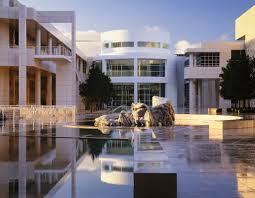
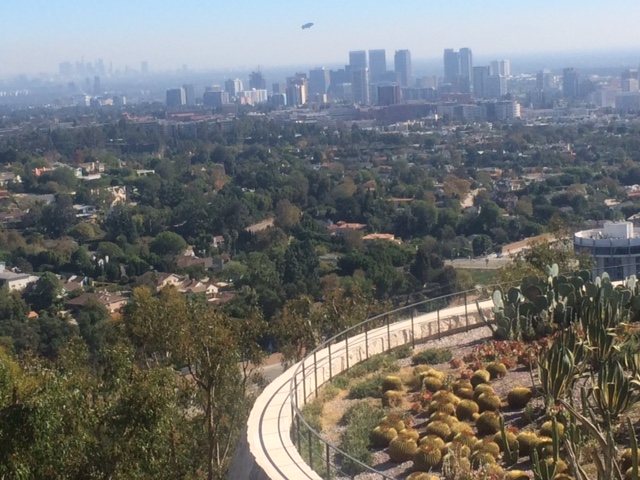
The Getty Center is the Shangri-La of high culture, an Italian hill town of inviting walks and amazing views sliced into precise 5’-0” squares. It’s so thoughtfully conceived you’re never lost, but never dominated by any form or space either. Yes, there are organizing axes and a central atrium. But unless the tour guides point them out, they are references you feel rather than dictums you obey. I spent all day there, took a few tours, wandered aimlessly, and met my niece and her beau there. The beautiful museum objects are well displayed, but it’s the architecture that creates lingering memory. On a warm Sunday afternoon with a light breeze, The Getty Center is perhaps the most prefect place on earth.

images-1 images IMG_5033 IMG_5031

Posted in Bicycle Trip Log | Tagged , | 1 Comment

Trip Log – Day 179 – Culver City, CA to Los Angeles, CA

Screen Shot 2015-10-28 at 11.23.31 PMOctober 31, 2015 – Sun, 80 degrees

Miles Today: 22

Miles to Date: 9,288

States to Date: 25

It’s been thirty-five years since I’ve been in LA, so today I caught up with the city’s recent architecture. Downtown is beginning to feel like a real, dense place, although still small considering it’s the center for ten million people. Apartment towers are adding some after-hours life to the streets. The new Ritz-Carlton is the best addition to the skyline. Thomas Moyne’s CalTrans Headquarters is pretty cool, but ultimately just an office block with a very grey exterior. I don’t think it’s so unique as to deserve all the hype it’s received within the architectural community.

images-1 IMG_5018

The most notable new buildings reflect LA’s cultural ascendency beyond TV and movies. The LA Museum of Contemporary Art looks as ill-scaled and dated as any 80’s building. Across Grand Avenue the new Broad Museum is better; its simple form and deep skin are a good complement to its more famous neighbor: Frank Gehry’s Disney Concert Hall.

imgres-1 imgres

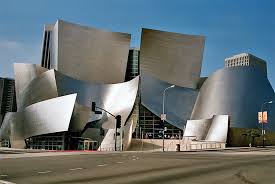
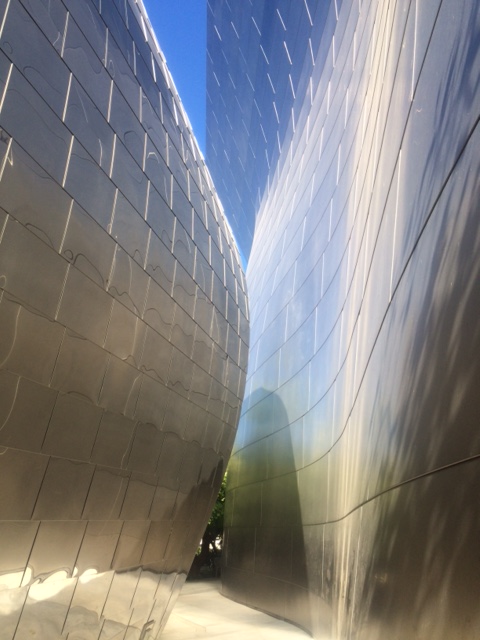
Disney Hall is a very good, very expensive building. The sweeping forms are less arbitrary than in some Gehry buildings. The interior is full of drama, yet the building’s organization is simple and clear. The overlapping lobbies and stairs must be spectacular when filled with stars on an opening night. The structure required to support these sails in earthquake prone California is incredible, all the better that it’s exposed in many places from the inside. There are many excesses – a small concert space open to the lobbies is rarely used, as is the concrete amphitheater that cuts up the already difficult to access third floor ‘public’ park. We could not visit the concert hall as the LA Philharmonic was practicing, but the tour’s video simulation is very informative. The hall is universally praised as an acoustical and aesthetic success. Like much contemporary architecture, the Disney Hall is full of arbitrary stunts; angles, curves and flashy materials that mean little beyond technical whizz-bang. The forms are dazzling, but lack the shared meaning that prosaic features like portico, gallery, and piano nobile have connoted for centuries. I had to ask someone where to find the entrance. What I suppose ultimately makes the Disney Hall such great architecture is that it’s a perfect reflection of our times; technologically superb yet full of extraneous noise; stimulating and exiting, but exhausting as well.

IMG_5024 IMG_5022 IMG_5025

IMG_5019The new cathedral, which is cold and hard inside and out, is less successful in every respect. If there is one building form that’s seeped in meaning, it’s the cathedral. But LA tossed aside millennium of church architecture tradition. People enter the building on the sides and filter into an asymmetrical auditorium. Everything is raw concrete and monochromatic light. The most interesting elements are the fabric panels of saints and believers that address the altar. How much more compelling they would have been if, as in cathedrals before, they were made of glass and glowed from within to bridge the spiritual and temporal worlds.

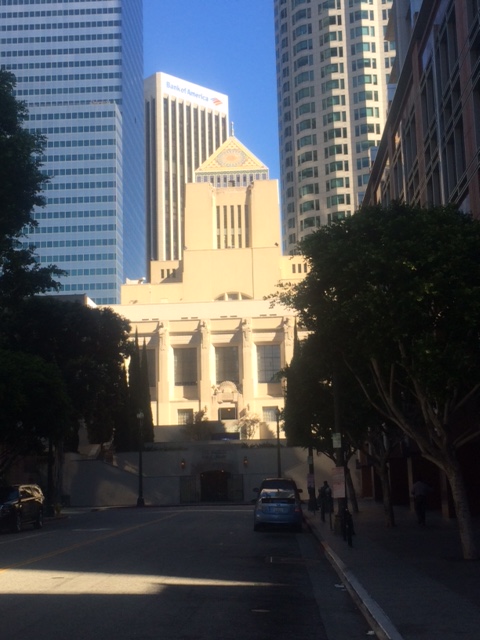
IMG_5015After so much contemporary complexity, I spent a lovely afternoon in the LA Central Public Library, a well proportioned Deco delight.

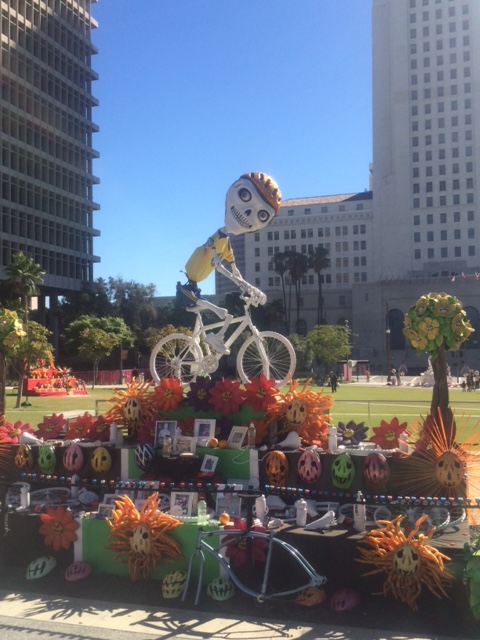
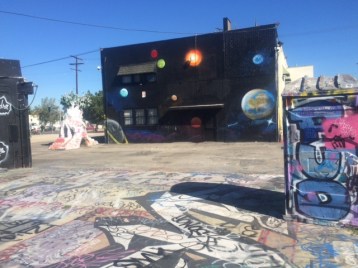
Two events bookended my downtown LA experience. In the morning I stopped at Pico-Union, a hard-surfaced space where young street artists develop their talent without running afoul of the law. In the late afternoon I cycled through the Hancock Park neighborhood where young trick-or-treaters went door to door. Since it was Saturday in this heavily Jewish neighborhood, there were also dozens of men in black suits with flat brimmed hats walking to synagogue. And I was riding along in garish yellow. I marveled at the cacophony of our costumes: the four-year-old spider man, the bearded gentleman, and the spandex cyclist.

IMG_5012vIMG_5007IMG_5016 IMG_5014


Posted in Bicycle Trip Log | Tagged , , , , , , , , , , , | Leave a comment

Responses: How will we live tomorrow?

How will we live tomorrow?

“If we help heal the minds today, we can have a bright tomorrow.”

Wesley Roby, Founder of Bully Prevention, Los Angeles, CA

How will we live tomorrow?

“America’s best days are yet to come. Our proudest moments are yet to be. Our most glorious achievements are just ahead.”

Ronald Reagan, President of the United States 1981-1989, Simi Valley, CA

How will we live tomorrow?

“When I was a kid I mowed lawns, now adults do that. Then I delivered newspapers. Now adults do that and they can barely make a living at it. I worked in a restaurant and then a liquor store. Now adults do all of that. How are kids going to learn about work? What’s going to happen when we have even more people and fewer jobs?”

Bill Korn, father of three children in their 20’s, Santa Maria, CA

How will we live tomorrow?

“Not very well if we don’t change our ways today.”

Linda Lang, Docent, Old Mission Santa Barbara, Santa Barbara, CA

How will we live tomorrow?

“I am in the world to change the world.”

Quote by Kathe Kollwitz, on a T-shirt at Getty Villa, Santa Monica, CA

How will we live tomorrow?

“As life long learners. I’m trying to learn French and Italian online now.”

Angelika Christensen, mother, Thousand Oaks, CA

How will we live tomorrow?

“I am an optimist. I believe we will live better. The world will come together. Technology will improve our lives.”

Linda Bentson, Docent, Old Mission Santa Barbara, Santa Barbara, CA

How will we live tomorrow?

“Prosperous.”

Steve Gallandti, Traveling Businessman, Santa Barbara, CA

How will we live tomorrow?

“Live life to the fullest and don’t let the bad stuff get you down.”

Shirlee, cashier at Staff of Life, Santa Cruz, CA

How will we live tomorrow?

“I want to live in a an Eichler house, but I won’t be able to afford it. I will downsize to a trailer or a bus.”

Liz, Eichler homeowner, Thousand Oaks, CA

How will we live tomorrow?

“I would like people to be more connected to their environment. Especially if you move. You have to take cues from where you are. I grew up on a New England farm and spent time in England. I like the sense of place there. I’ve been her thirty-five years. You don’t get that here.”

Dexter, Emmy-winning animator, Thousand Oaks, CA

How will we live tomorrow?

“I have a lifetime of summers ahead of me. There’s not a place I don’t want to see.”

Amy, schoolteacher who travels every summer, Sacramento, CA

How will we live tomorrow?

“Simply. We have so much that makes life easy. We communicate easier. We will travel easier.”

Beverly Chrisman, Docent at Ronald Reagan Presidential Library, Simi Valley, CA

How will we live tomorrow?

“In harmony. There is not enough harmony and we need more.”

Wim, Volunteer at Getty Villa, Santa Monica, CA

Posted in Responses | Leave a comment

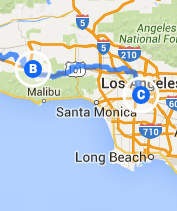
Trip Log – Day 178 – Studio City, CA to Culver City, CA

Screen Shot 2015-10-28 at 11.23.31 PMOctober 30, 2015 – Sun, 80 degrees

Miles Today: 51

Miles to Date: 9,226

States to Date: 25

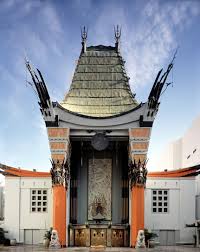
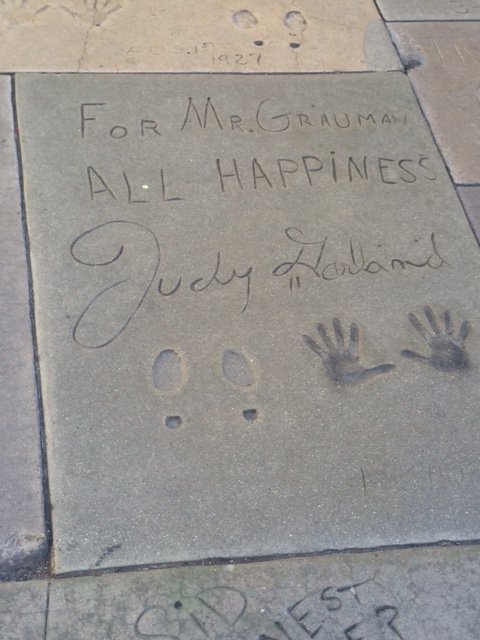
Hard to imagine a better start to a day than waking with the California sun streaming through the window of a hillside home with a great view. I said goodbye to my excellent hosts Diane and Alan and headed over a short pass to Hollywood. The Hollywood Bowl, Sidewalk of Stars, Graumen’s Chinese Theater. It’s so easy to see sites on a bike, especially before most people in LA are even up for the day.

IMG_4989 imgres  IMG_4990

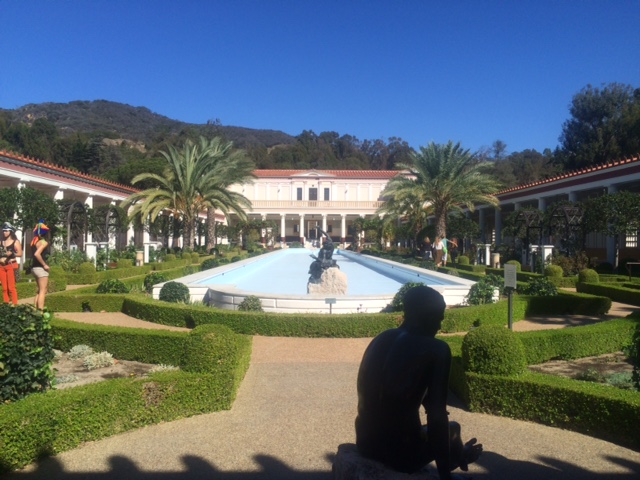
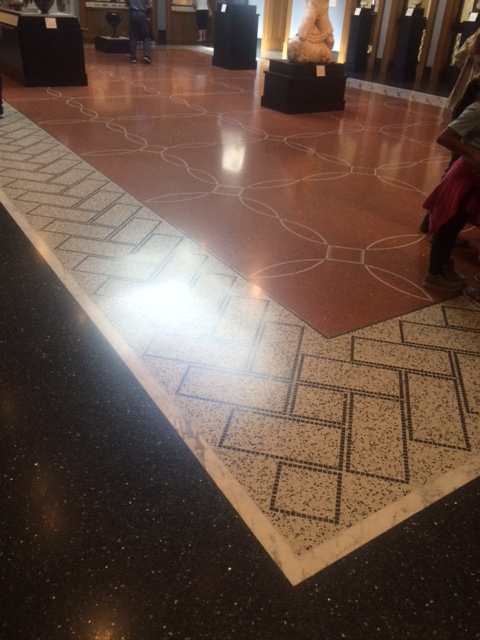
IMG_4991I wove through west LA to Venice Boulevard; six lanes (plus a bike path!) straight to the beach, then wound along the famous beach path through Santa Monica to the Getty Villa. Riding my bicycle dampens my interest in opulence, but the Getty Villa is pretty fabulous. The recreated Roman villa is stunning. Boston-based architect Machado and Silvetti’s extensive ancillary structures are also very good. The architectural tour guide made illustrative connections between opulent, status-conscience first century Rome and opulent, status-conscience twenty-first century California. I am not a connoisseur of early art, so didn’t spend too much time amidst the marbles, bronzes, and ceramics. But, the vistas are breathtaking, the proportions satisfying, and the terrazzo and tile floors are the most spectacular I’ve ever seen.

IMG_5003 IMG_5002 IMG_5001

IMG_4994It took awhile to get out of there. (The Getty shuttle system is a mess. Why don’t they put in a sidewalk and let people who walk, ride bike sand come by bus walk the sort distance up the hill? LA car snobbery at its peak.) I had a 3 p.m. interview on Wilshire, so couldn’t loiter on the beach. The ride back into town was worth it because Lisa Arungua of the LA Public Health Department was one of the most interesting people I’ve talked with to date. We could have talked for hours, but I had to bow out at 5 p.m. because I needed to get to Culver City before dark. As serendipity would have it, I passed one of Lisa’s public service billboards on my way.

IMG_5005I try not to ride at night, but in LA I need to be doubly careful. LA’s reputation as a bad cycling town is fully deserved. Within my first 24 hours here no fewer than six cars pulled U-turns and come close to me at the curb. They look for other cars, but not for bicycles.
Then there are the parked cars. Most streets allow parallel parking. What’s unusual in LA is how many people park and then remain in the driver’s seat. Don’t ask me what they’re doing there. Maybe they live in them. As a cyclist I have to monitor moving cars on my left and potential doors opening on my right. When fully one-third of the parked cars have people in them, doors open into the bike lane all the time.

Finally, there are very few bike lanes compared to other cities. Cars – fancy ones with loud engines and expensive finishes – have no time for the likes of me. As I result, I was pretty happy that I had to traverse Venice Blvd three times today. It has by far the best bike lane I’ve seen in this city.


Posted in Bicycle Trip Log | Tagged , , , , , , , , | Leave a comment