Trip Log – Day 121 – Aberdeen, WA to Long Beach, WA

Aberdeen to Long BeachSeptember 3, 2015 – Sun and rain, 60 degrees

Miles Today: 74

Miles to Date: 6,431

States to Date: 22
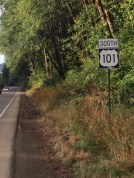
IMG_3780Highway 101! My first day on this storied highway. I will follow 101 on and off for the next two months. I originally planned to take it around the Olympic Peninsula, but local cyclists warned it was narrow and the logging trucks dangerous. Since I listen to local counsel, I opted to cross below the peninsula to Aberdeen and hook onto 101 South there.


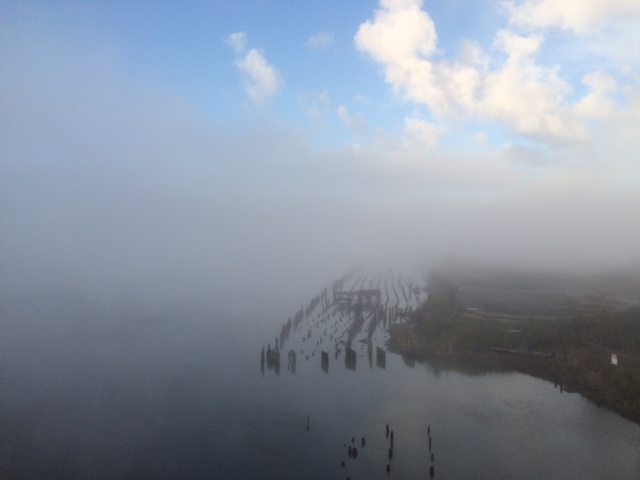
Dense fog wrapped me as I crossed the bridge from Aberdeen at 7:30 a.m. The September days are markedly shorter. The mornings are cool.
IMG_3772

IMG_3783Within an hour the fog lifted and I logged twenty-seven miles to Raymond. Up and down and up again through a county that ought to named ‘Weyerhaeuser’ since apparently they own all the land. There are all sorts of signs about when what is planted, and these large clearings smack against tall trees. Route 101 lived up to all aspects of its reputation. The scenery is beautiful, the riding sketchy. Nice shoulders disappear without notice. Trucks barrel along at great speed.

IMG_3785There is a belching mill at Raymond, though the town is very poor. Another of those predictable yet counter intuitive truths. Just as we pay the people who provide our most essential needs – farmworkers, garment workers, laborers – less than people with specialized skills – lawyers, surgeons, football players. So to, towns rooted in natural resources; be it lumber, coal or wheat; are poorer than towns rooted in ideas; education, culture or technology. The 2×4’s that the Raymond mill produces are commodities. The people who get rich off of them do not live in Raymond.

Just south of town a guy in a pickup coming north called from this window, “Big rain ahead.” The sky was grey, which is not unusual in the Northwest, but since I listen to locals, I decided to stop. Only the second time this trip I’ve made a weather stop. Each time there’s been a McDonald’s at hand. I took an early break, locked my bike under an overhang, and sat out a humongous storm. It was noon before it let up, so I ate a grocery store lunch and headed on in the crisp after-storm air.
IMG_3788 IMG_3787

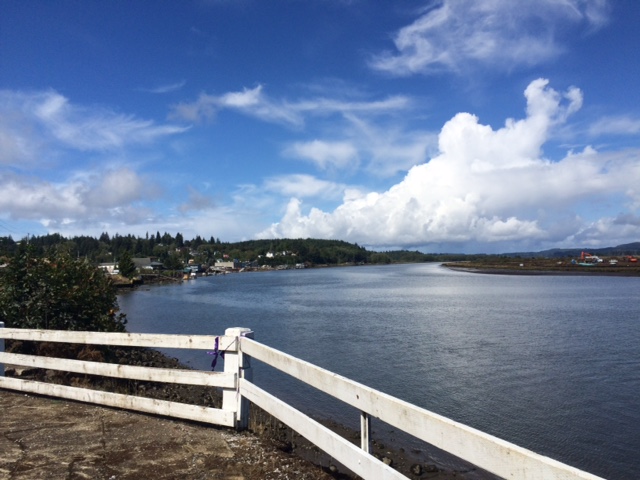
I should be as lucky with my food as the weather. After Raymond, 101 flattens out. Five miles beyond is South Bend, the oyster capital of the world, a real working fishing town with pungent marsh smells and great places to eat. My lunch was fine, but it wasn’t fresh oysters! I was full and still had forty miles to go, so I pedaled on.
IMG_3781 IMG_3793 IMG_3795

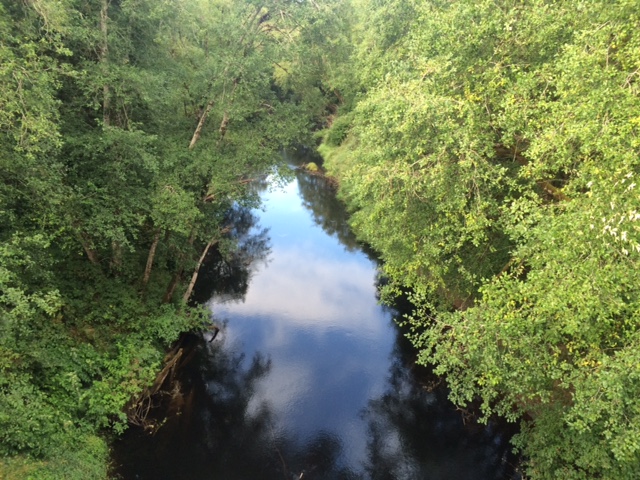
Forty miles on the Highway 101 cyclists adore. The road was good, the terrain gentle, the views amazing. Sometimes I hugged the shore. Other times the water was distant. There were fewer trucks past Raymond. In fact, there wasn’t anything except trees and more trees. I startled a huge buck in the woods. A mile later a parade of six large deer crossed the road. I saw more deer than houses.

I reached the Long Beach peninsula about four. On a map it looks like a barrier island off New Jersey. But instead of a sand spit, the peninsula has the same terrain and tall pines as the rest of this area.

IMG_3802Long Beach is my kind of beach town – a little tacky and very salty. ‘Our Place by the Beach’ proved a nice place to stay: salt water taffy in a jar at check-in; a room with sitting area and picture window overlooking pines; a soothing hot tub. Marsh’s Free Museum, downtown, is gaudy as any souvenir shop. Fudge stores, frozen yogurt parlors, pizza stands, and T-shirt emporiums round out he rest of the commerce. The summer season is short here. The bumper cars and merry-go-round were already closed.

IMG_3798 IMG_3800 IMG_3801

No one could recommend a good oyster place, but I enjoyed fish and chips and good beer at the local sports bar where the Seahawks were beating the Raiders so bad I left in the second quarter. If I ever ride this way again a #12 jersey is in order. Seahawk’s fans take their twelfth man status seriously.

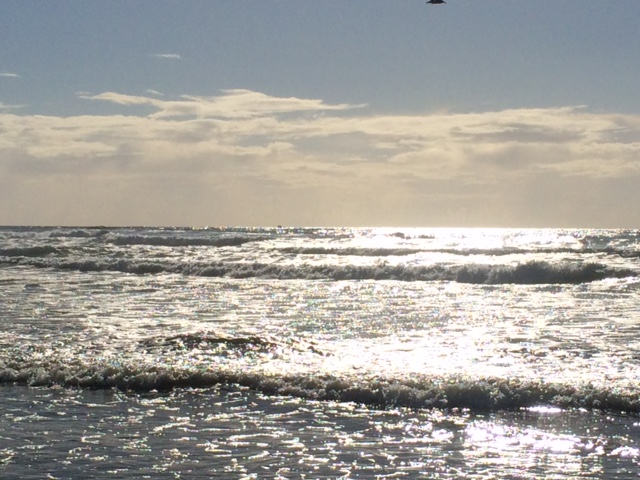
Before dinner and football I walked out to the ocean and waded in the Pacific. It was not nearly as cold as everyone says, about the same as the ocean on Cape Cod this time of year. But no one swims in it. The waves are rough, the undertow strong. Still, I enjoyed my first dip ever in another ocean.

IMG_3809

Posted in Bicycle Trip Log | Tagged , , , , , , , , , , | Leave a comment

Profile Response: Sara Tlamka of Honey Stinger, Steamboat Springs, CO


HWWLT Logo on yellow“Honey Stinger is a company with 90 human employees and about 25 dogs.” For Sara Tlamko, Marketing Specialist, that balance represents why it’s great to work for Honey Stinger. Bill Gamber, a local entrepreneur, started three companies in Steamboat Springs. BAP (Bwear Active Protection) is an outdoor clothing company, Big Agnes manufactures premium tents and camping gear, while Honey Stinger sells honey-based energy bars, gels, chews and waffles. Although Sara insists each employee works for only one entity, the offices, repair shop and warehouses of the three companies have fluid dividing lines. And the dogs have outsized influence in the workplace; they lounge on the coolest areas of the floor while people walk over and around them.

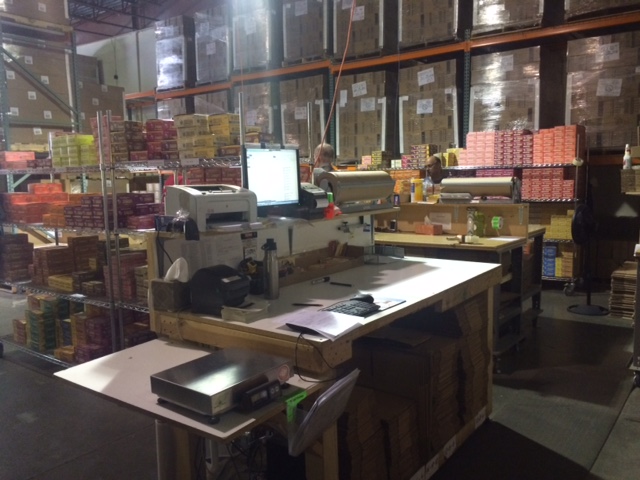
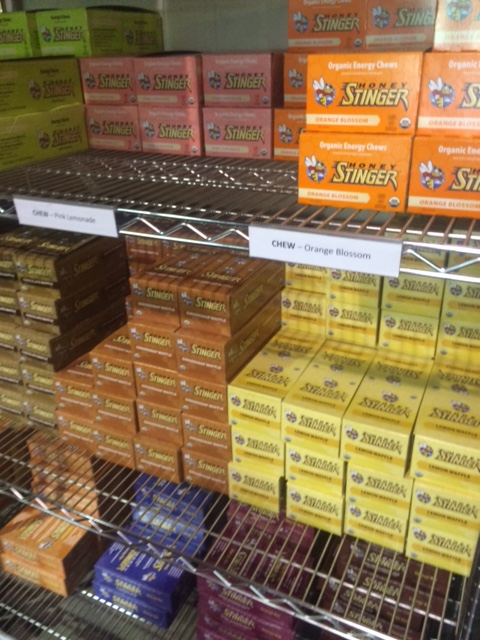
The manufacturing required for the three companies is distributed among niche production sites all over the world. Some of Honey Stinger’s honey still comes from Bill Gamber’s parent’s farm, but the company has other sources, including a ‘certified organic’ island off the coast of Brazil that produces all of Honey Stinger’s organic honey. All products are shipped to Steamboat Springs where they are inventoried, warehoused, repackaged for sale, and sent to to retailers. “The UPS and Fed Ex guys just love us.”

IMG_3024 IMG_3025

Sara toured me through the distribution center where Honey Stinger product orders are packaged and mailed. We visited the marketing area and chatted with folks who negotiate with stores to get Honey Stinger on the shelves. “We started in bike and ski shops. Now we are in organic food stores, Whole Foods, and conventional groceries. We also sell directly to individuals, the military, boy scouts, and nutritionists.”

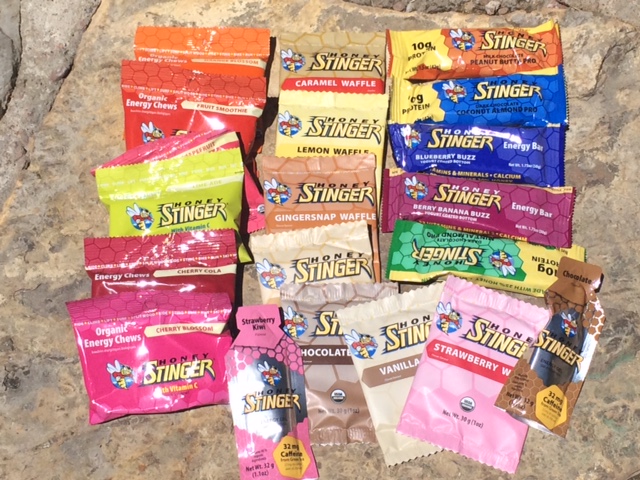
Each of Honey Stinger’s four product lines: energy bars, waffles, chews, and gels; come in a variety of flavors. At the end of the tour, Sarah gave me one sample of each product. I enjoyed honey-based snacks for the next few weeks of my trip.

IMG_3097Honey Stinger is a successful company in the expanding market of easy to carry energy foods. They are smaller than the market leaders like Power Bar and Cliff Bar, but differentiated as the only energy snack that uses honey as its principle energy source. “People are more conscious of their manufactured foods. We are moving toward creating our foods with fewer ingredients.”

How will we live tomorrow?

“Tomorrow we’re going to be more aware of our food sources and natural resources because there’s a limit. We’ll come full circle. Microwave dinners are not ‘in’ anymore. Natural ingredients are important. My mother says that I live like my grandmother because I knit and cook and fix things.”

Posted in Responses | Tagged , , , | Leave a comment

Trip Log – Day 120 – Dupont, WA to Aberdeen, WA

DuPont to AberdeenSeptember 2, 2015 – Sun and rain, 65 degrees

Miles Today: 74

Miles to Date: 6,357

States to Date: 22

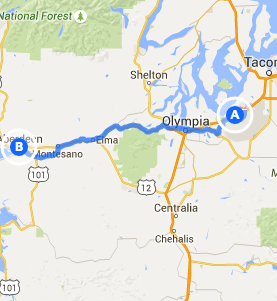
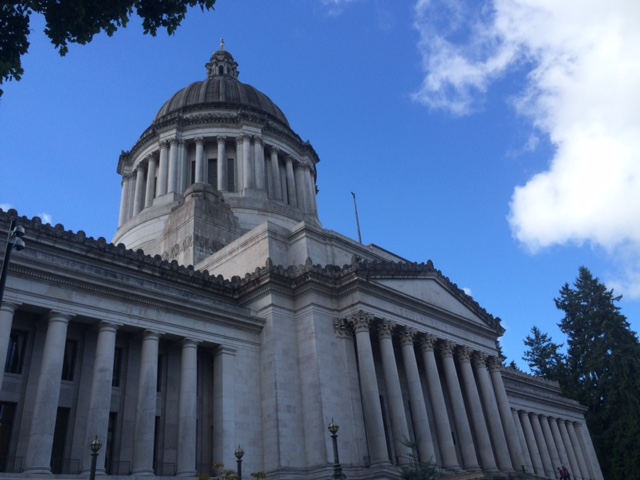
Back on the road again! I rolled out of DuPont on a beautiful morning. After a short stint on I-5, I pedaled along tree lined back roads to Olympia where I spent the morning absorbing the sites. I chatted up Zach of Zach’s Window Cleaning while I ate my grocery store breakfast and can vouch for his work. Then I visited the State Capitol. Docent Dave gives one of the best tours I’ve ever attended. He made good fun of the guy in the yellow bike shirt while knowing every detail of the carpet, furnishings, chandeliers and worldwide assortment of marble in the building. On the way out of town I discovered a salmon spawn viewing platform. The salmon will soon swim upstream, and are swarming in apparent excitement. Finally, I stopped by a fruit stand and enjoyed two huge Washington apples.

IMG_3763 IMG_3764 IMG_3765

Fully satisfied, I spent the afternoon pedaling the wide shoulders of Washington 8 and US. 12. I got on local roads for a bit, but the rugged pavement so typical to Washington sent me back to smoother surfaces. A few rain showers kept me cool; then the sun came out and dried me off.

IMG_3766At Montesano I turned south on Washington 107 and cross the Chehalis River. The road glistened from recent rain; the breeze was cool. I noticed several cars turn off on Blue Slough Road and figured it went in my direction, though it wasn’t on Google’s route. My adventurousness was rewarded with five miles of extraordinary cycling. The road was narrow and smooth, the terrain varied, the river picturesque. It’s noteworthy that cycling on narrow roads is often safer than ones with skimpy shoulders. I claim space in the right lane and motorists don’t attempt to pass me against oncoming traffic.

IMG_3770

Aberdeen is a dreary town, but I landed a super nice room at the Travelodge, just a few blocks from the phenomenal Taqueria Las Mulitas where I enjoyed an adobada burrito and basket of chips with a large garnish bar for a whopping seven dollars. Eating in abundance is an integral part of touring.

Posted in Bicycle Trip Log | Tagged , , , , , , , | 2 Comments

Profile Response: LDS Humanitarian Center, Salt Lake City, UT


HWWLT Logo on yellowI’ve met a disproportionate number of Mormons on my trip, not just in Salt Lake but also throughout the United States. It may be coincidence. Or it may that these family-centered, health conscious, missionary focused believers are more likely to engage with itinerant cyclists and invite them into their homes. Regardless, I can understand why Mormonism is one of the world’s fastest growing religions. The Church of Jesus Christ of Latter-day Saints offers an ordered worldview, purpose, and security. The Wasatch Range is an oasis of traditional family values, personal safety and comfortable affluence. Adherents consider it an earthly reflection of heaven. Detractors feel oppressed by its patriarchal hierarchy.

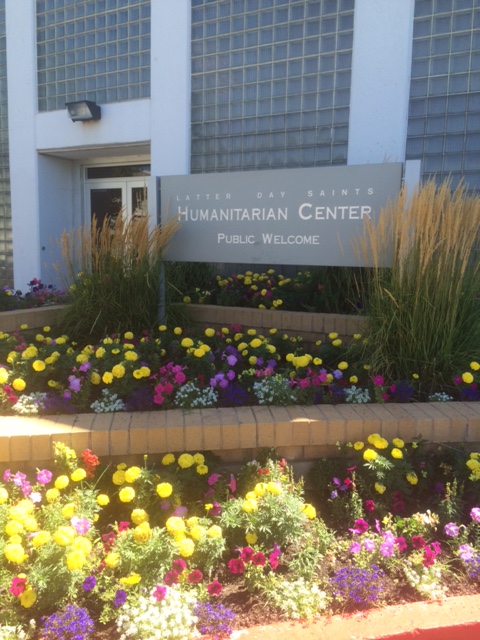
IMG_3165Mormons take very good care of each other. The Relief Society, the largest woman’s organization on earth, provides material assistance to families in need. Church representatives also drop in, unannounced, to visit young mothers at home to encourage harmonious family life. Since the religion believes in living prophets, it provides direction in virtually every aspect of daily living, from dietary choices to pierced ears. I wondered whether Mormon’s philanthropy extended beyond their fold, so when I passed the LDS Humanitarian Center in Salt Lake, advertising free tours, I decided to stop and explore.

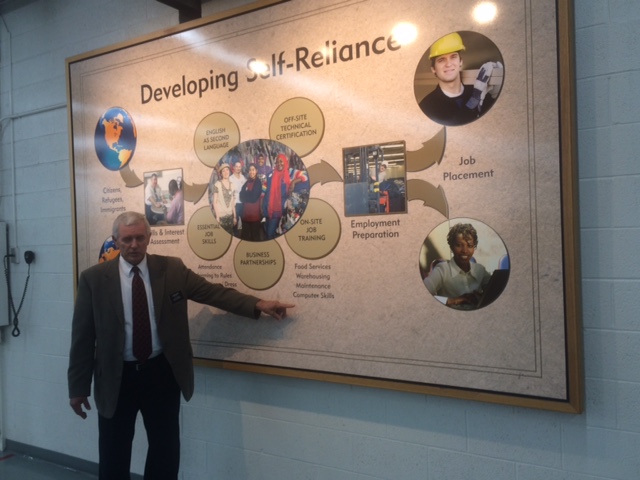
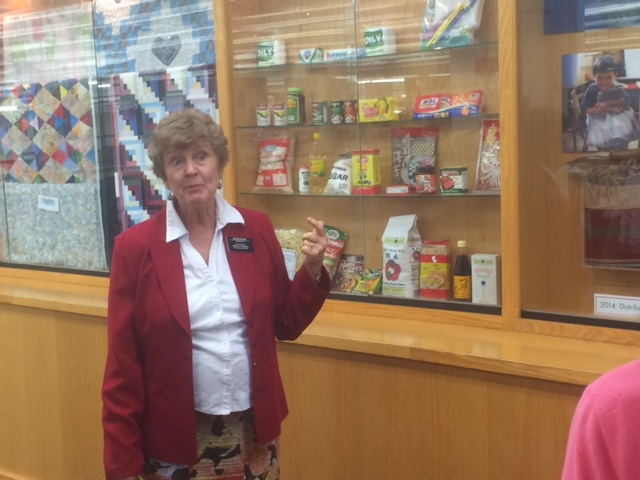
IMG_3171The LDS Humanitarian Center’s mission is to provide assistance to non-Mormons. I went on a tour led by Elder Klein and Sister Klein, two long-time LDS members who served as missionaries in Africa. They described the LDS Humanitarian Center’s triple purpose to help the needy, provide opportunities for immigrants, and allow Mormons to grow through service. Every Mormon church has a monthly fast contribution. Local bishops allocate the funds collected, and many send funds to the Humanitarian Center. All other Center donations are 100% distributed; general LDS funds cover overhead.

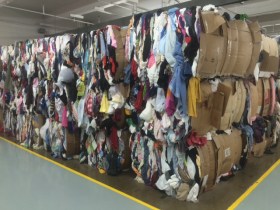
The primary activity in the Humanitarian Center is to collect and distribute clothing; the church receives over 39 million pounds every year. The best items are distributed to the 42 Deseret Stores (similar to Goodwill) although only 15% of that clothing is actually sold. The majority of donated clothing winds up here, where it’s sorted, processed into bales, and shipped to developing countries.

IMG_3169 IMG_3167

The center also assembles other charitable items and processes goods made by local relief societies. In 2014, the LDS Humanitarian Center distributed 99,000 hygiene kits, 33,000 school kits, 57,000 wheelchairs, and 4,968 quilts. Sister Klein said, “In the United States we say we’re confined to a wheelchair. In developing countries, physically disabled people are liberated to a wheelchair.” She also explained that the Center is shifting from sending physical items to providing funds to developing countries where agents can assemble more culturally appropriate goods.

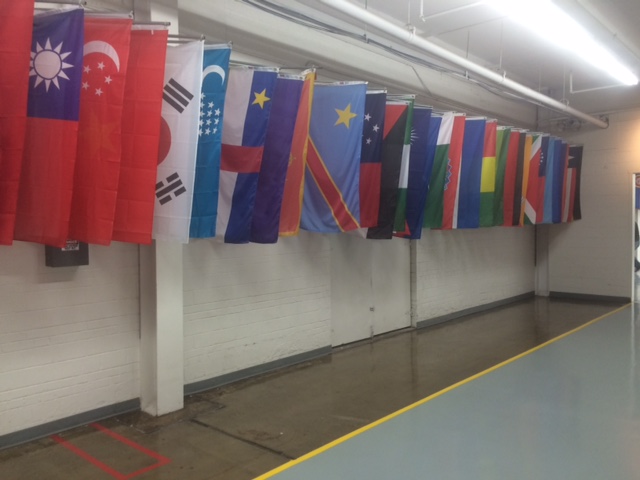
IMG_3168About 170 immigrants, mostly refugees, staff the Humanitarian Center. Workers come from 45 countries and speak 35 languages. They sort and package clothes four hours a day, and spend four hours learning English and receiving assimilation training. LDS provides housing assistance and social services for about a year. After that, most workers are ready to move on to other training.

IMG_3174Like every philanthropic endeavor, the LDS Humanitarian Center helps others while enhancing the evangelical mission of the LDS Church. Abroad, it provides basic materials to people in developing countries while introducing millions to the Mormon Church. In Salt Lake, it provides immigrants work in conjunction with training that reflects Mormon ideals.

How will we live tomorrow?

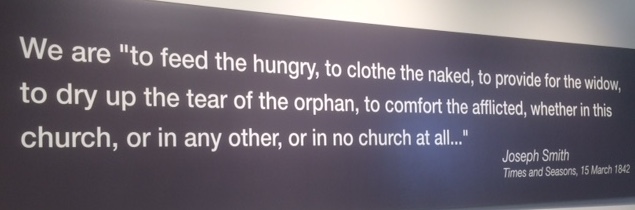
IMG_3173“We are to feed the hungry, to clothe the naked, to provide for the widow, to dry up the tear of the orphan, to comfort the afflicted, whether in this church, or in any other, or in no church at all.” Joseph Smith, 1842


Posted in Responses | Tagged , , , , | Leave a comment

Featured Response: Joe Mamayek, architect, Boston, MA

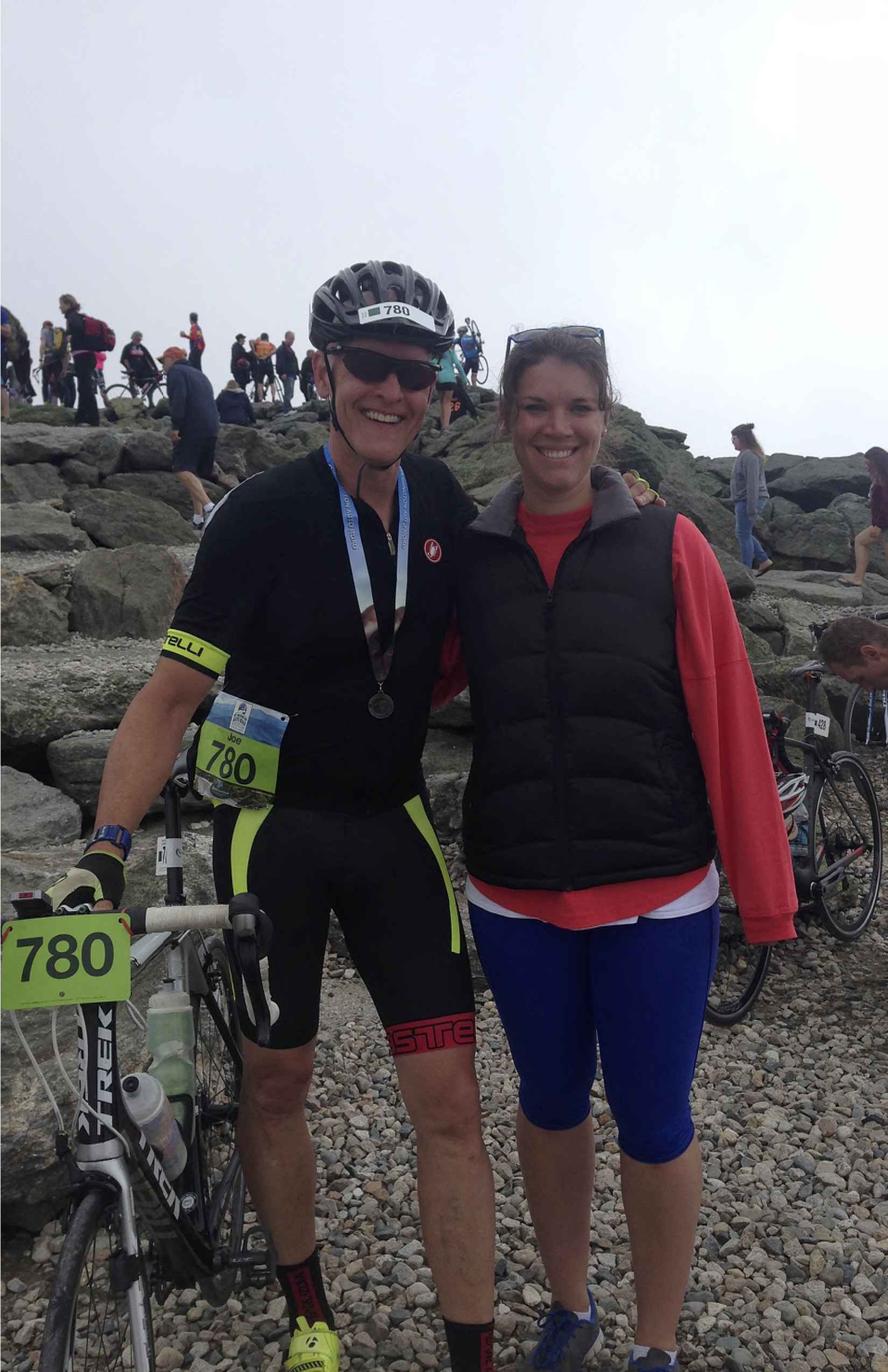
HWWLT Logo on yellowJoe Mamayek and I worked together in a large healthcare design firm in Boston. Like the American healthcare system, hospital design is complex and specialized. My focus was on clinical planning; making healthcare facilities that streamlined processes and accommodated medical technology. Joe embraced broader issues of context and connection. During a project’s conceptual phase, Joe created elaborative, evocative image boards, collages of visual ideas that reflected our client’s aspirations. When Joe sent me this response to ‘How will we live tomorrow?’ I asked him for images to accompany his words. As always, what he sent are beautiful and meaningful.

How will we live tomorrow?

Mtn Washinton_my daughter Siena the next generation 1“How will we live tomorrow is probably best answered after we address, How should we live.

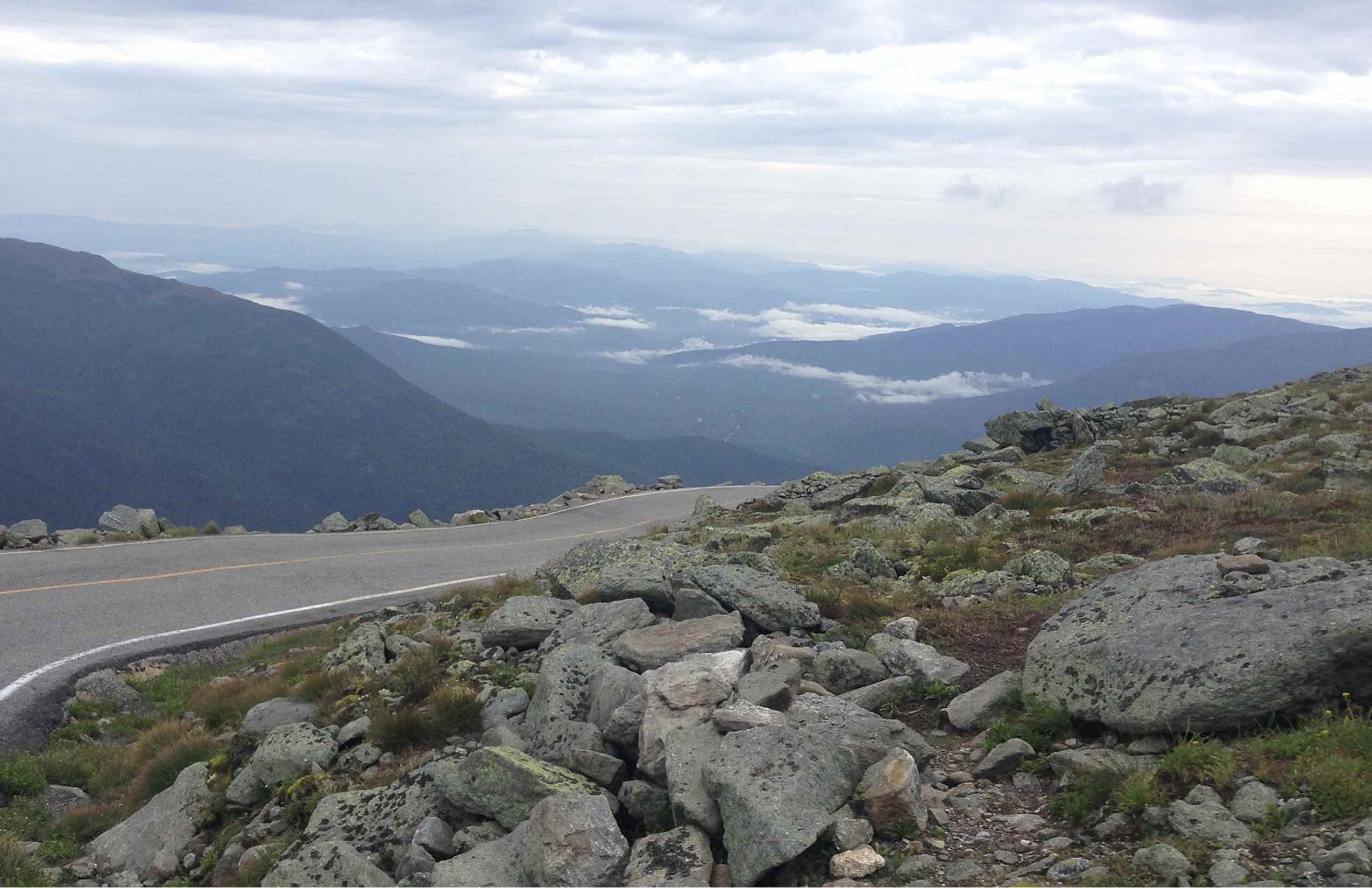
mtn washington and the elementsI was involved in a recent bike event where the proceeds went towards the education of children with a focus on planet ecology. Quite a noble effort and in every way commendable, until one understands the details.



Apparently, the education will enable/allow children to ‘inherit the Earth.’ What struck me was this mindset that we have this right or privilege to ‘inherit the Earth,’ when in fact, we should be willing partners … authoring solutions for co-existence.

the result of NO PARTNERSHIP

Yes, having an ecological consciousness is key, but fundamentally, having the right attitude towards land value/ownership is essential.

the VALUE of LAND

Aldo Leopold was an environmentalist from my home state Wisconsin and I’ve found great wisdom in his writings through the years. Aldo developed a Land Ethic which reflects his belief that, “land is not a commodity to be possessed; rather, humans must have mutual respect for Earth in order not to destroy it.”

DISTORTED land value

Could men actually be stewards of land without having an economic mindset of property lines, fences and dollar values? If so, then Man, without distractions of economics, can be an equal partner with the planet. Perhaps a tipping point is needed to help influence How We Will/Should Live Tomorrow.”

mtn washington_the ROCK PILE


Posted in Responses | Tagged , , , , , | 2 Comments

Trip Log – Day 116, 117, 118, 119 –Dupont, WA

Screen Shot 2015-08-29 at 1.34.00 PMAugust 29 to September 1, 2015 – Rainy, 65 degrees

Miles Today: 7

Miles to Date: 6,283

States to Date: 22

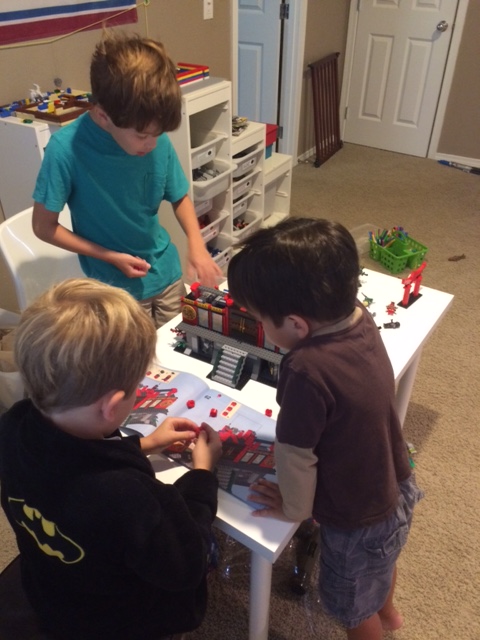
IMG_3760Vacation is not only doing something pleasant; it’s doing something different. So, after riding my bike for over three months, I took a four-day vacation. I visited my niece, her husband and their three boys in DuPont. I hardly rode my bike; I scarcely went outside. We watched The Lego Movie and built our own Lego creations. Ate dinner out and ordered pizza in. Three boys can keep three adults amused without any other diversions. I like to think that I helped my niece around the house, but mostly I just took it easy and enjoyed my extended family.

2015083095180328

Posted in Bicycle Trip Log | Tagged , , | Leave a comment

Profile Response: Zach England and Brandon Harrison, C.R.England Company, Salt Lake City, UT


HWWLT Logo on yellowTrucks are always on my mind. As they approach on the highway they literally pull me toward them. Alongside me, I feel the heat of their engines. Once past, their tailwind pulls me in their wake. I grip my handlebars extra tight to steady my meager bike against their massive tug.

Trucks are also everywhere. Every object we see and touch has been on a truck. Every finished product has been on multiple trucks in its transformation from raw material to consumer good. There are 15.5 million delivery trucks in the United States, one truck for every 21 people.

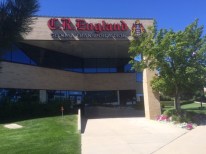
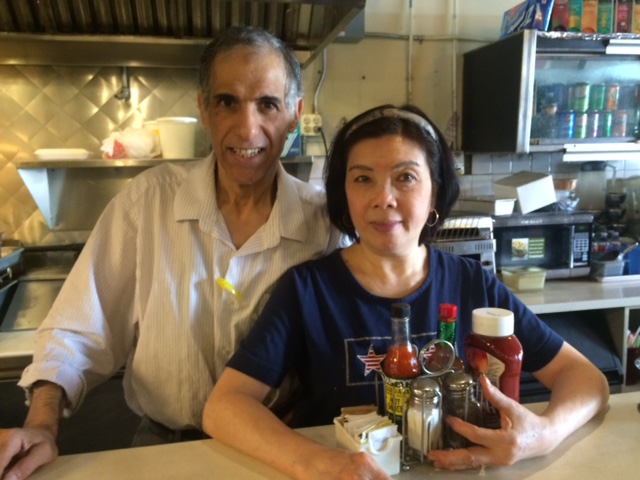
IMG_3164Zachary England and his brothers are the fourth generation to run C.R. England, an international trucking firm with 1,700 staff and over 6,000 drivers. “My great grandfather started with one truck. We have survived and grown through World War II, gas rationing, and the deregulation of the 1980’s. We continue to address the issues that face material transport. These days that focus is on technology, safety, and sustainability.”
C.R England has a company pledge, ‘Work Safe, Home Safe,’ that combines a focus on safety and personal responsibility to create a positive work environment as well as, “to come home safely to my loved ones.” The pledge permeates C.R. England’s culture – down to being posted on the restroom walls.

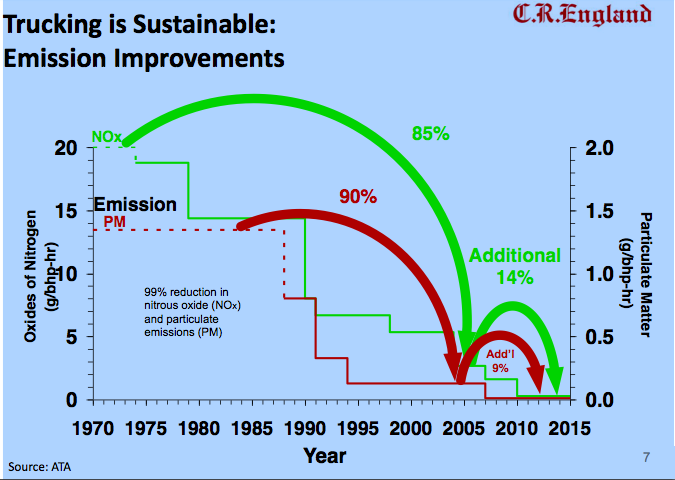
EmissionsZach his co-COO Brandon outlined key issues facing C.R. England, and the entire trucking industry. “Trucks continue to get cleaner. Today’s trucks emit 60 times less emissions than we did in 1988. In the fifty most polluted areas of our country, the exhaust from our trucks is cleaner than the outside air. We don’t like to say ‘add regulation’ but regulation got us there.”

“We have more trucks on the road than ever before, but are also seeing a shift toward intermodal transport: truck to rail to truck. Intermodal transport provides a 60% reduction in the carbon footprint of moving goods.

“Natural gas trucks are becoming a reality. We purchased our first five LNG trucks in 2011, added two more in 2013 and ten in 2014. All of these are operating in Southern California. LNG trucks cost 50% more to buy, but our early purchases were aided with grants. Much of our network is long haul trucking, which is not well suited to LNG. It takes a long time to refuel an LNG truck, so they work best for trucks that run daily routes with a rest period, often overnight, for refueling. Natural gas is still finding its niche in the industry.”

Screen Shot 2015-08-28 at 8.26.34 AMAn interesting trend is partnering with dedicated customers to invest in more environmentally friendly trucks. Where we have regular routes for prominent national companies, we share the increased cost of sustainable trucks. It becomes part of their overall sustainability effort.

One of C.R England’s challenges right now is finding drivers. “There is a serious shortage of drivers. Part of it is a generational change: truck driving is not viewed as a desirable occupation. People don’t want to be away from home.” C.R. England operates its own driver training school at five locations throughout the country in order to help meet demand and create drivers that follow their protocols. Ninety percent of their drivers come without a CDL (Commercial Driver’s License). The school lasts 17 days, followed by 30 days of in-cab training. New classes start every week, and there is a tuition payback option that allows people to attend for free if they fulfill a minimum nine-month work commitment. One key aspect of C.R. England’s driving strategy is driving in pairs. Regulations mandate maximum drive time for a driver, so having pairs allows C.R. England to better utilize their equipment and create a less isolating experience for drivers. “We help many people embark on new careers. It is satisfying to give people the opportunity for stable, career level employment.”

Along my trip, many people cite autonomous, or self-driving, vehicles as a feature of how we will live tomorrow. Brandon explained his thoughts on this. “We think about autonomous vehicles in four stages. The first is providing drivers with automatic aids, such as adaptive acceleration and braking. We already have these. The next phase is adaptive systems like self-parking and proximity detection of obstacles and other vehicles. These are happening now or will be in place soon. The third stage will be fully automated driving with a driver in the cab to handle stops, fueling, and unloading. The fourth stage will be fully automated vehicles moving between points without any humans. We are too far from that to actively plan for it now.” Zach added, “A few times a year I drive a route to stay in touch with our drivers experiences. I recently drove from Salt Lake to Las Vegas. I don’t think I touched the brake or accelerator pedals more than five times total on the entire trip.”

How will we live tomorrow?

Screen Shot 2015-08-28 at 8.24.57 AM“Better than we live today. We’ve always been forward thinking. We believe in continuous improvement for employees, customers, and communities. We have to adapt and adjust to new conditions, but we will continue to improve.” – Brandon Harrison, COO

“We will continue to focus on our core competency with training. We have made improvements in the past, and will continue to do so moving forward.” – Zach England, COO


Posted in Responses | Tagged , , , , | Leave a comment

The Question I Carried

This essay was published in WBUR Cognoscenti on August 21, 2015

Stone Soup is a folktale about a wanderer who comes to town and proclaims he can make soup from a stone. He convinces townspeople to heat a cauldron of water and places his stone inside. Then he stirs expectations: ‘a slice of carrot’, ‘a pinch of sage’ or ‘a bit of meat’ would make the soup even tastier. He cajoles locals to toss in all sorts of ingredients, and by supper they share the soup all around. Everyone is amazed that such tasty soup comes from a stone. After the feast, the drifter pockets his stone and proceeds to the next town.

0820_bike_trip_cog-592x324I consider that fable as I bicycle across the 48 contiguous United States and ask the question, “How will we live tomorrow?” In the past thirteen weeks I’ve pedaled over 5000 miles and visited tewnty-one states. I have thousands more miles and a full turn of the seasons before I complete my circuitous route. My odyssey is rooted in a desire to explore this country in a visceral way; my question provides structure and purpose to my wanderings. It also stimulates a deeper level of conversation among those I meet.

Every day I engage at least one person I don’t know in conversation and ask them my question. Several times a week I visit companies and institutions to discuss tomorrow. So far, I’ve talked with organic farmers and fast food executives; hospital CEO’s and family constellation therapists; chiefs of police, IT programmers, inventors, professors, and minimum wage workers; Muslims, Catholics, Seventh-Day Adventists, Mormons, Jews; and immigrants from Lebanon, Somalia, India, Norway, and Cambodia.

Some people respond to ‘How will we live tomorrow?’ by describing what they’ll do twenty-four hours hence; others talk about colonizing distant planets. Many respond from a global perspective, others answer in the first person singular. Quite a few rephrase the question to how should we live, or how they hope to live tomorrow. One man, a Navy veteran who offered me lodging for the night, told me my question was too broad and diffuse. Then the next morning he said, “I’ve been thinking about your question: We will live tomorrow in the memories of those who love us.” Hardly a standard military response.

My project is inherently unscientific. I am a slow slice of space and time cutting through our land, haphazardly hitting and missing people and events. Still, a guy on a bicycle with two saddlebags and a question learns quickly that people are kind and good. I’ve suffered two mechanical failures and one serious tumble. Each time strangers came to my aid, offering transportation and iodine. I originally intended to stay in local motels, yet half the time strangers who’ve heard of my adventure invite me into their homes, make me supper, give me a bed, cook me breakfast, and send me on my way. All I offer in exchange are stories of the road and my question. Yet we both find it a satisfactory exchange.

People hail me down to give me cold water, buy my lunch, offer me money, and give me fresh produce. I turn money away, but I’ve learned to accept food and drink as tangible ways for people to participate in my adventure. As one staid businessman said, “You’re living the dream, man. You’ve got to let others join in.” More then stuff, I appreciate how people display their concern for my quest and my safety. Nuns give me blessings; Buddhists give me Karma; Native Americans give me talismans. Evangelicals pulled me into a prayer circle in a McDonald’s. As a tiny yellow-clad creature crawling across a continent abuzz with hard steel vehicles, I am grateful for all protection.

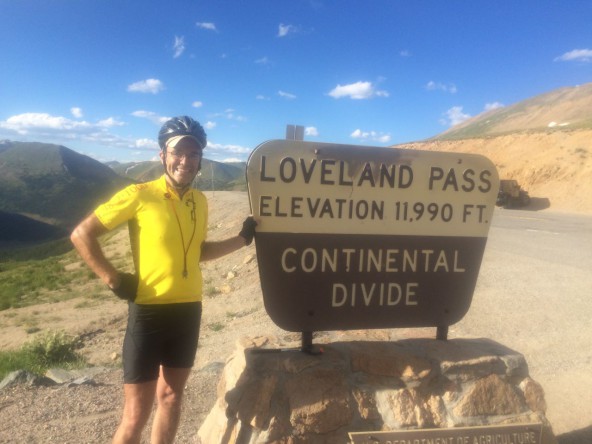
Loveland-Pass-592x444On my longest day so far, crossing the Continental Divide in Colorado, a seasoned cyclist overtook me outside of Denver. I gave Mark my card and asked him my question. He said, “I’ve got lots of ideas for tomorrow, but today I’m looking after you.” Mark accompanied me for eleven-hours for the seventy-mile climb to Loveland Pass. Near the top he said, “You may be the only man who ever topped Loveland on a heavy steel bike with saddle bags and tennis shoes. You are one weird cyclist.” Then he rolled back east while I continued west.

I could end my odyssey today and consider it a success; I have countered my concerns about our vast country and its myriad problems with examples of abundant generosity. But I can’t stop yet. I have many more miles to pedal, states to visit, and people to meet. In every town, I ask my question, people toss their ideas into the mix, and savor our conversation. Then we part, like the stone soup vagrant and the townsfolk, mutually satisfied.

Posted in Published Articles | Tagged , , , | 2 Comments

Responses – How will we live tomorrow?

How will we live tomorrow?

“The hardest thing remains how people are the same and different. Why do whites think cops are fine while blacks don’t? We have different experiences with them. Will our technology bring us a broader view or will we be overwhelmed and shot down? Time will tell.”

Al, Seattle Times reader, Revena, WA

How will we live tomorrow?

“I try to recycle as mush as I can. I bring cloth bags to the grocery store. I try to support local businesses, even though they won’t hire me because of my disability.”

Jennifer, Hostess at McDonald’s, Monroe, WA

How will we live tomorrow?

Hadj“It is hard to predict the future, but we know there will be change. People tomorrow will live very far from each other. We will colonize other planets like earth and spread over the entire universe. Everything will be robotic. The human being will not be doing much. Humans are idiots; computers will not make mistakes. It will be a digitized, robotic world. We will live between zero and one. Now we are impatient, waiting for this digital world. I ask my customers, ‘What will this place be fifty years from now?’ It has been here more than fifty years, the same, but it will not be here fifty years from now.”

Hadj Benzerrouki, Owner, Bayou on 1st Restaurant, Seattle, WA

How will we live tomorrow?

“Very poorly. The current political climate is incapable of change. It is unsustainable. I’m a city kid from Chicago. I come out here to the country and it is so poor. There is no access to jobs or transportation. We need a sustainable public transportation system. We need to address density. China, Hong Kong, those places understand that we have to live more densely.”

Dan Labovitch, Building Inspector, Snohomish County WA

Dan lives in a secluded single-family house on several acres of land.

How will we live tomorrow?

“I’m 62 years old. I’ve been driving this route for 33 years. I could retire any day. But then I’d just be home and do chores. I like to work.”

Glen, UPS driver on Vauchon Island, WA

UPS has four trucks that serve Vauchon Island every day, ten during the Christmas season. One in nine trucks in the US is a UPS truck; over 1.5 million vehicles.

How will we live tomorrow?

“I am a teacher and school starts on Tuesday. This was my summer project so I decided ‘today is the day.’”

Aubrey, hiker, Beacon Hill, WA

Aubrey walked from Seattle to Tacoma via Vauchon Island in one day.

How will we live tomorrow?

“Every day is a surprise… Family is important. You have to treasure those close to you.”

Eleanor Griego, high school student, Monroe, WA

How will we live tomorrow?

Melinda“I guess as I live this moment. These words are borrowed and from my Uncle Ron but they are profoundly inspirational to me:

“I entered this beautiful day with a thought: ‘The joy of living is having a thrust to assist others jump higher, run faster, be more, live a fuller, free’r, maximized life than I can ever have for myself… “

Melinda Bourgette, mother, Seattle, WA

How will we live tomorrow?

“I will live as I do today. I’ve lived in Seattle for 25 years. I like Seattle very much. I am a diabetic. I am healthy because I don’t drink or smoke or put any bad things in my body. No French fries. I have a garden behind my house. I grow all my own produce. I have forty chickens and always have fresh eggs.. I give some to my friends. I work two jobs. I love Seattle. It’s a city but people take time to talk, to be nice. I don’t have any family left in Veracruz; my daughter is in high school here. This is where I live.”

Oscar, Mexican immigrant, Seattle, WA

How will we live tomorrow?

“I would like to think we will bicycle more.”

Lucy Williams, warmshowers host, Seattle, WA

How will we live tomorrow?

“I will resist getting an iWatch. I was in a group of five people the other day, and was the only one without an iWatch.”

Owen, Capital Hill resident, Seattle, WA

How will we live tomorrow?

“I made a U.S.A. Bicycle Perimeter trip back in 1978-79. Started and finished in Seattle, the center of all bicycling at that time. Found Americans to be generous, kind, loving and wanting to share their life stories and concern for the future. In travelling around the USA, I saw hope, optimism and a great future for America. And, today, I can truly verify the optimism and hope through the many developments and accomplishments over these past 37 years. I still have great hope for the future. Our country is amazing. The people are amazing. This has been exemplified time after time. We live in a country of hope, kindness and giving – and where anyone can achieve, regardless of any boundaries set by individuals or organizations. America offers great hope for the world. My U.S. Perimeter trip proved that to me and so has the past 37 years!”

Richard J. DeBernardis, U.S. Perimeter Bicyclist – 12,092 Miles in 180 days, 1979-82 Guinness World Record Holder, Tucson, AZ

How will we live tomorrow?

“Hopefully, better. If you think about history and the path civilization has taken, we have gotten better. The grand optimist in me thinks we will learn how to fix the world. The grand pessimist in me says people will push their individual needs against the greater good.”

Tymer, customer experience specialist, Seattle, WA

How will we live tomorrow?

“My wife and I are former high school teachers who left our careers behind to pursue a simpler existence. What we’ve discovered is life rather than making a living in the current living arrangement of the industrial model.

“I co-host a radio program called, Nature Bats Last. Your question is really the basis of our program. We try and answer it every week with a variety of guests and commentators. After a year of listening to folks address this very question and after four years removed from making a living I’ve discovered that my answer is constantly evolving. There is a constant thread however. Tomorrow is where most of us live. We also live in yesterday. Very few live today. As a result the consequences are enormous. Tomorrow is our predicament as we continue to throw solutions at it today. There of course are no solutions to a predicament so we will continue to grind our way in a living arrangement that we believe is solution based when it turns out that it’s simply the predicament we find ourselves in. We fail to see the pattern because we are unaware a pattern even exists. So not much will change as we continue to repeat the story we tell ourselves about ourselves. The story of course, is our culture is humanity rather than just a culture within it. It’s a belief that this world is here to serve us. It’s a narrative that assures us that this is the only way to live and that we will be here forever. Finally it’s bad math. Infinite growth on a finite planet is math even a second grader can see as flawed. Chase A Different Carrot because in the end Nature Bats Last.”

Mike Sliwa, Nature Bats Last PRN radio host, Gila, NM

Posted in Responses | Leave a comment

Trip Log – Day 115 – Seattle, WA to Dupont, WA

Screen Shot 2015-08-29 at 1.34.00 PMAugust 28, 2015 – Partly sunny, 65 degrees

Miles Today: 50

Miles to Date: 6,276

States to Date: 22

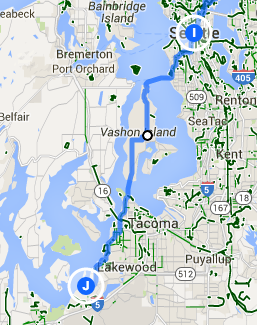
 IMG_3730Much as I enjoyed Seattle, it felt great to climb on Surly, pedal down to the waterfront, weave through the container port, cross over the West Seattle Bridge, and log some distance. Five low mileage days made me antsy. Even though today’s route wasn’t difficult, it was more than mere commuting.


IMG_3731I climbed through West Seattle and descended to the Vachon Island ferry port. Ferries are an integral part of Seattle’s transportation infrastructure. Still, I was surprised how many people and vehicles took the twenty-minute ride midmorning. Crossing Puget Sound with ferries, pleasure boats and freighters all in view, I recalled how water used to connect us. Before railroads, before roads, rivers and bays were our thoroughfares.

IMG_3732

Now, land connections dominate and water connections are weak bonds. Vachon Island is a separate world a mere two miles from the City of Seattle. It reminded me of Cape Ann in Massachusetts – varied terrain with lush greenery, well-kept vintage houses and a quaint scale. The grocery store where I stopped at noon was crowded and inefficient but no one seemed dismayed or rushed. Island time exists wherever water surrounds us, even if we’re only 15 miles from Amazon headquarters.

IMG_3737The ride after lunch only got better. Sun streaked through tall trees and illuminated mounds of fern and moss. I descended into the village of Burton. Magnolia Beach opened before me, an arc of fine sand beach and frame cottages. Seagulls lofted above. The sweet scent of salt air rushed my nostrils. All at once I was back home. Then it struck me. How far I’ve come. Until that moment my journey from Cambridge to Seattle had been measured in time and distance. A single jolt of sea air clarified my emotional distance. All the months I’ve traversed farms, prairie and mountains I never thought about the sea. But one waft from the opposite coast made my heart pulse a homesick beat. The world is not just round in shape. Memories retrieved mark the cycle of our growth. Like rings of a tree. Or seagull squawks that echo true on either coast.

IMG_3745 IMG_3738

IMG_3739 imagesI took a second ferry from Vachon to Tacoma, a short ride full of chatty passengers. The mainland greeted me with a great beer sign and blocks of amusingly tacky houses. Tacoma must have boomed when the bi-level was king, board and batten siding in vogue, and contrasting paint motifs all the rage. Baby blue with chocolate brown. Lemon with rust. Each house, identical to the next, screaming to be unique.

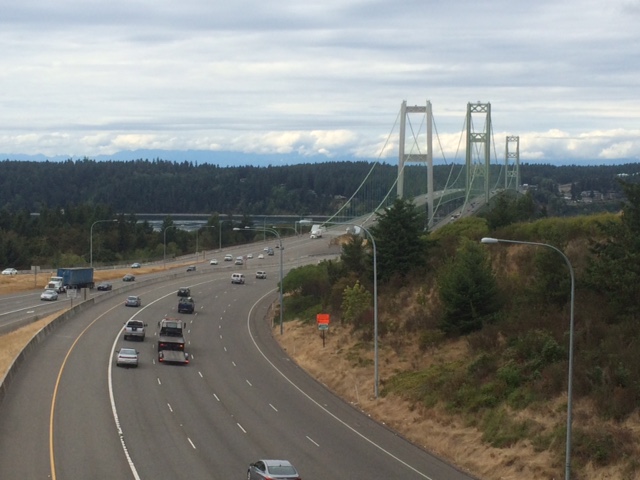
IMG_3740I passed the Tacoma Narrows Bridge, sight of one of the most famous civil engineering disasters of our era. Not the bridge I saw, which stands firm, but the one that wobbled in a 1940 gale and came crashing down. Beyond the bridge, I rode for miles along the bay. Hills, mountains, and sky all muted against the overhead sky. It started to rain – just barely. Puget Sound is like Ireland. Rain enhances the place.

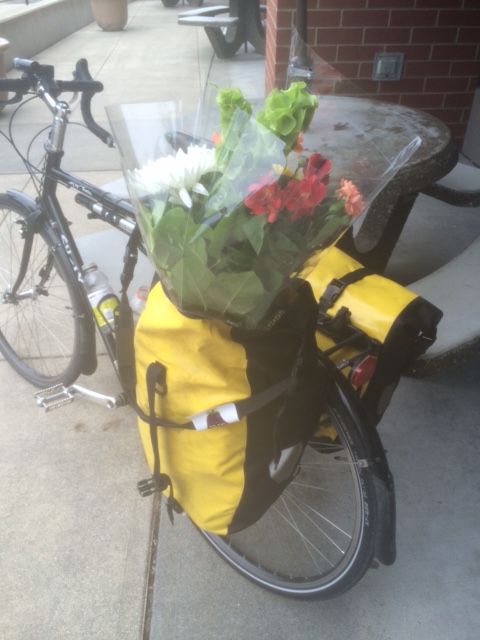
IMG_3747I arrived in DuPont, where I will spend a few days with my niece and her family. When I stay with warmshowers hosts, I typically leave a calling card and a box of Altoids as gesture of appreciation. But my nieces rank flowers. I love riding with a bouquet popping out of my backside, proclaiming to everyone that, though I travel light, I still have space for something as ethereal as fresh flowers.

Posted in Bicycle Trip Log | Tagged , , , , , , | Leave a comment