This essay was published in WBUR Cognoscenti on August 21, 2015
Stone Soup is a folktale about a wanderer who comes to town and proclaims he can make soup from a stone. He convinces townspeople to heat a cauldron of water and places his stone inside. Then he stirs expectations: ‘a slice of carrot’, ‘a pinch of sage’ or ‘a bit of meat’ would make the soup even tastier. He cajoles locals to toss in all sorts of ingredients, and by supper they share the soup all around. Everyone is amazed that such tasty soup comes from a stone. After the feast, the drifter pockets his stone and proceeds to the next town.
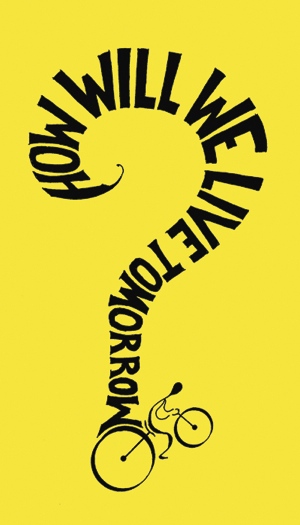
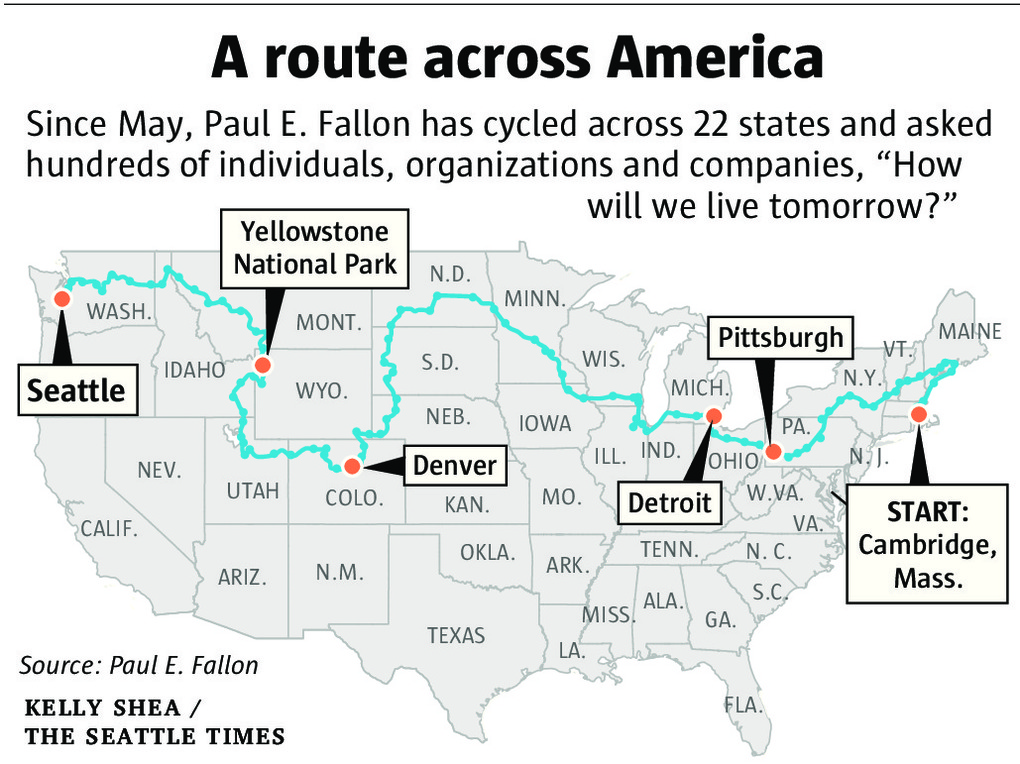
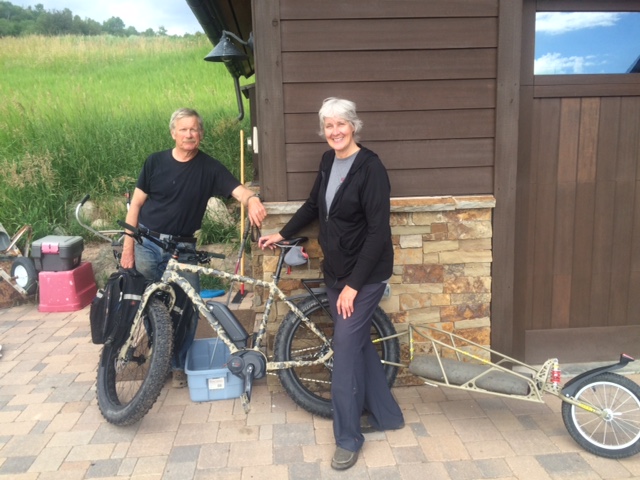
 I consider that fable as I bicycle across the 48 contiguous United States and ask the question, “How will we live tomorrow?” In the past thirteen weeks I’ve pedaled over 5000 miles and visited tewnty-one states. I have thousands more miles and a full turn of the seasons before I complete my circuitous route. My odyssey is rooted in a desire to explore this country in a visceral way; my question provides structure and purpose to my wanderings. It also stimulates a deeper level of conversation among those I meet.
Every day I engage at least one person I don’t know in conversation and ask them my question. Several times a week I visit companies and institutions to discuss tomorrow. So far, I’ve talked with organic farmers and fast food executives; hospital CEO’s and family constellation therapists; chiefs of police, IT programmers, inventors, professors, and minimum wage workers; Muslims, Catholics, Seventh-Day Adventists, Mormons, Jews; and immigrants from Lebanon, Somalia, India, Norway, and Cambodia.
Some people respond to ‘How will we live tomorrow?’ by describing what they’ll do twenty-four hours hence; others talk about colonizing distant planets. Many respond from a global perspective, others answer in the first person singular. Quite a few rephrase the question to how should we live, or how they hope to live tomorrow. One man, a Navy veteran who offered me lodging for the night, told me my question was too broad and diffuse. Then the next morning he said, “I’ve been thinking about your question: We will live tomorrow in the memories of those who love us.” Hardly a standard military response.
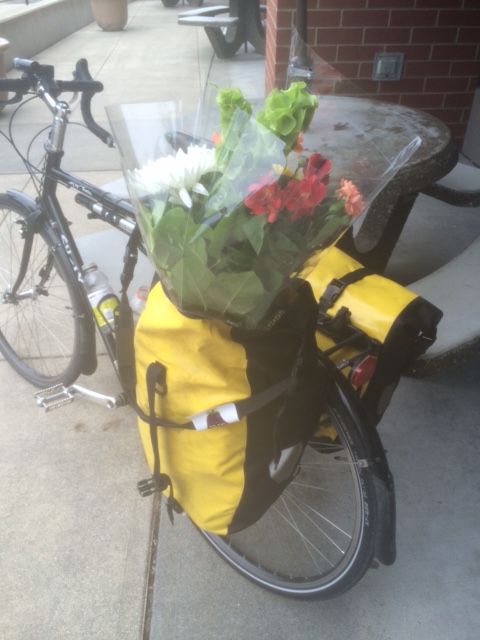
My project is inherently unscientific. I am a slow slice of space and time cutting through our land, haphazardly hitting and missing people and events. Still, a guy on a bicycle with two saddlebags and a question learns quickly that people are kind and good. I’ve suffered two mechanical failures and one serious tumble. Each time strangers came to my aid, offering transportation and iodine. I originally intended to stay in local motels, yet half the time strangers who’ve heard of my adventure invite me into their homes, make me supper, give me a bed, cook me breakfast, and send me on my way. All I offer in exchange are stories of the road and my question. Yet we both find it a satisfactory exchange.
People hail me down to give me cold water, buy my lunch, offer me money, and give me fresh produce. I turn money away, but I’ve learned to accept food and drink as tangible ways for people to participate in my adventure. As one staid businessman said, “You’re living the dream, man. You’ve got to let others join in.” More then stuff, I appreciate how people display their concern for my quest and my safety. Nuns give me blessings; Buddhists give me Karma; Native Americans give me talismans. Evangelicals pulled me into a prayer circle in a McDonald’s. As a tiny yellow-clad creature crawling across a continent abuzz with hard steel vehicles, I am grateful for all protection.
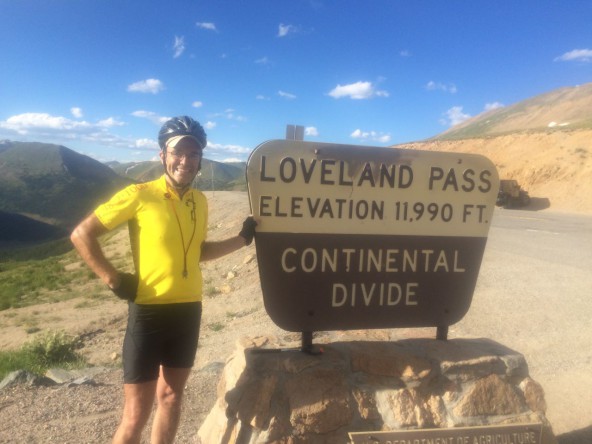 On my longest day so far, crossing the Continental Divide in Colorado, a seasoned cyclist overtook me outside of Denver. I gave Mark my card and asked him my question. He said, “I’ve got lots of ideas for tomorrow, but today I’m looking after you.” Mark accompanied me for eleven-hours for the seventy-mile climb to Loveland Pass. Near the top he said, “You may be the only man who ever topped Loveland on a heavy steel bike with saddle bags and tennis shoes. You are one weird cyclist.” Then he rolled back east while I continued west.
I could end my odyssey today and consider it a success; I have countered my concerns about our vast country and its myriad problems with examples of abundant generosity. But I can’t stop yet. I have many more miles to pedal, states to visit, and people to meet. In every town, I ask my question, people toss their ideas into the mix, and savor our conversation. Then we part, like the stone soup vagrant and the townsfolk, mutually satisfied.



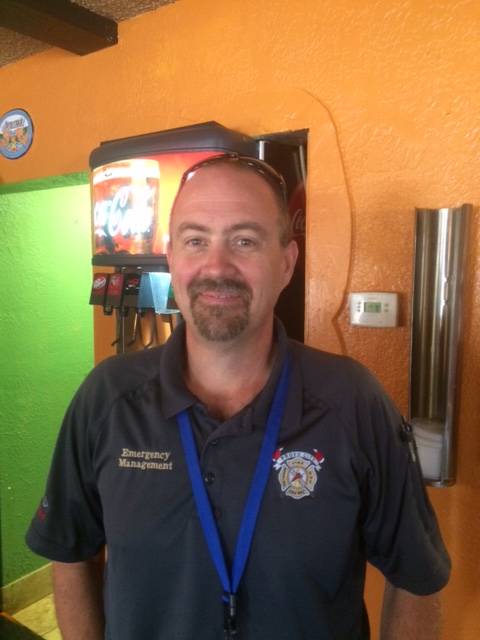
 Chris described the primary objective of emergency preparedness. “How are we going to ensure continuity of our community in the event of disaster – continuity of individual health, essentials services, and government? We do it through partnerships of existing community resources. The governmental representatives coordinate NGO’s, the military, and faith based organizations.”
 Mock simulations of disaster events are often used to test emergency preparedness plans. Last March Utah County ran a ‘plane down’ simulation that modeled a mass casualty incident with police, fire departments, and hospitals. They’ve also run earthquake exercises. An alternative approach is to use actual events to test strategies. “We model our evacuation plans on the flows we observe from mass events. 500,000 people attend Provo’s Freedom Fest. Sixty thousand people exit the stadium after every BYU football game. These are excellent simulations of mass movement, which is an important part of emergency planning. We also learned a lot from the 2002 Salt Lake Olympics, which was a logistical feat.”


 August 27, 2015 – Sunny, 80 degrees











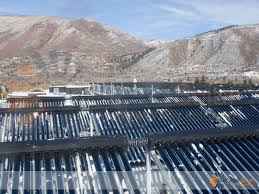
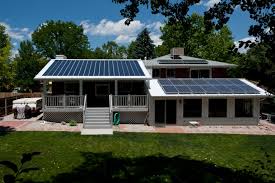
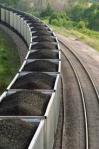 “We are making progress in reducing our CO2 output, but we are still going to see a lot more warming. We should outlaw coal plants, but we are far from doing that. We have to get off coal now, use oil as a bridge for the next 25 years, and then rely on renewables to supplement whatever the next major energy source will be. I would like to say that we can meet our energy needs through renewables, but that is not realistic.
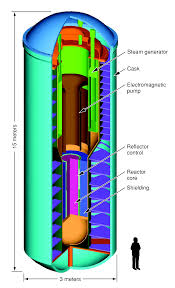 Even with conservation, there simply isn’t enough land to create an energy system based on solar and wind without drastic changes in the way we live. Self-contained, neighborhood-scale nuclear reactors that are permanently planted where they provide energy and eventually decay are not a viable technology yet, but they are our best bet for the core of our long term energy needs.