Trip Log – Day 70 – Denver, CO

Arvada to DenverJuly 14, 2015 – Sunny, 80 degrees

Miles Today: 6

Miles to Date: 4,013

States to Date: 18

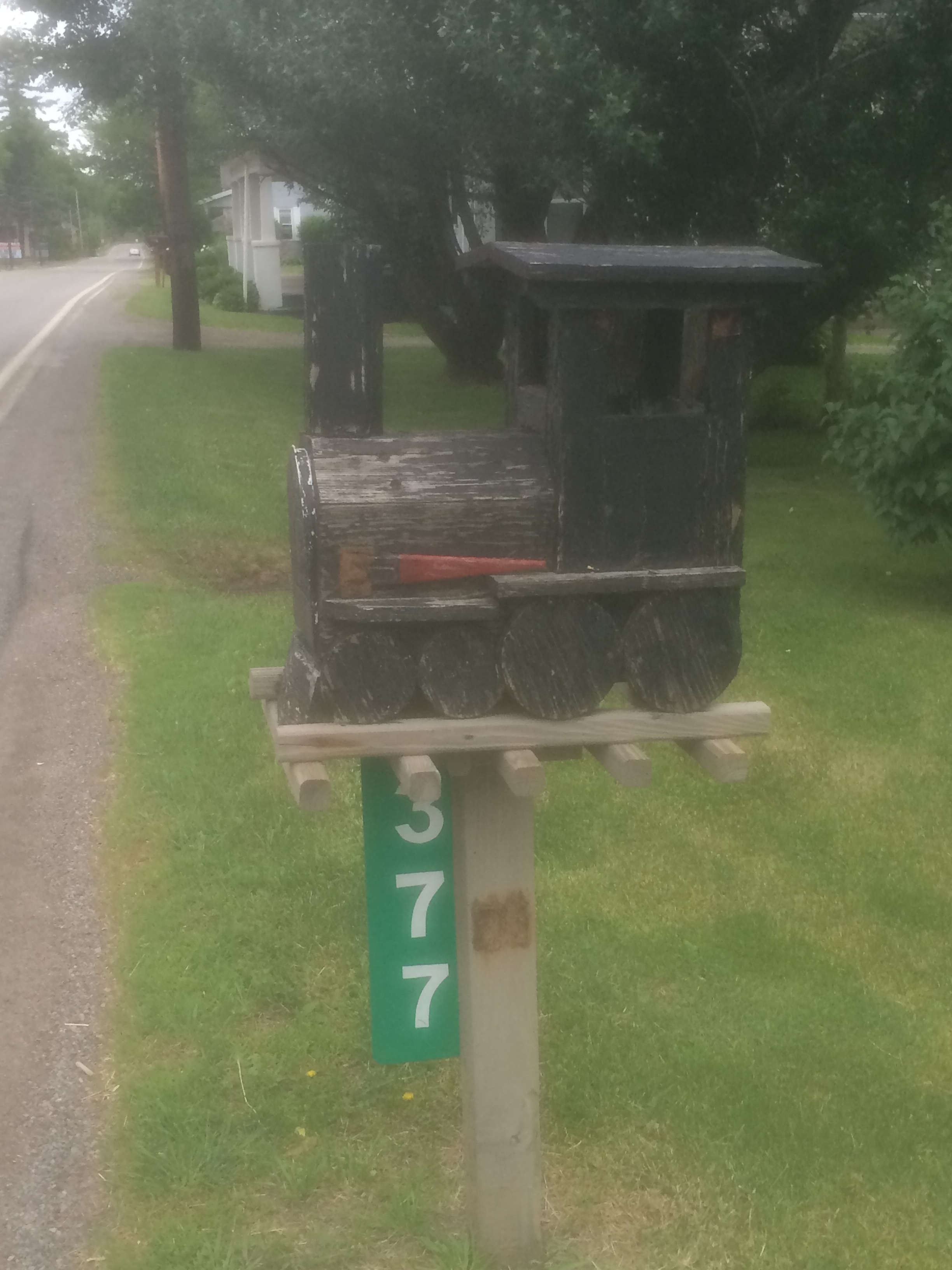
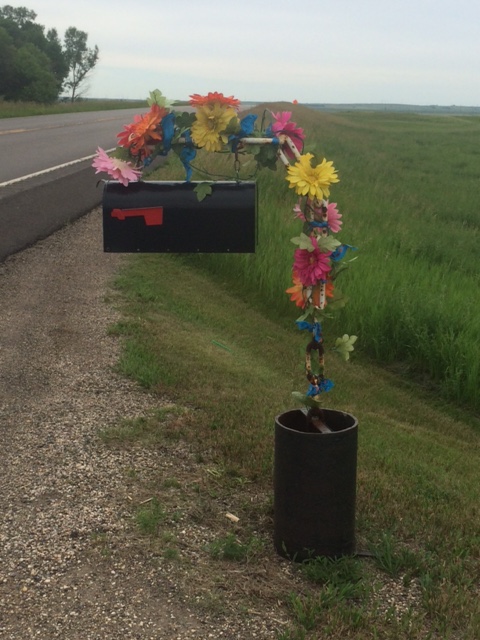
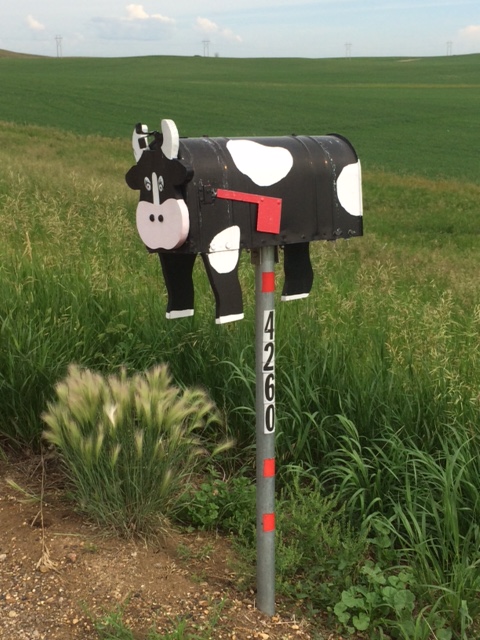
After riding thousands of miles along the shoulder, I am the world’s leading non-USPS expert on mailbox design. Here are some of my favorites. Can you guess what states they are from?

Hints: They are shown in the order I passed them. They are all from different states, except for three, which are from the northernmost state on my route.

150510 Maine 150525 Pennsylvania 150603 Michigan 150623 ND 150624 ND 150625 ND 2 150703 SD 150710 Colorado


Posted in Bicycle Trip Log | Tagged , | Leave a comment

Profile Response: Dennis Stapleton, The Brewery Milwaukee, WI


HWWLT Logo on yellowA spattering of rain turned into a deluge as I cycled from downtown Milwaukee to The Brewery, the former Pabst brewing plant a few blocks from downtown, to meet Dennis Stapleton, an architect with KM Development Company. Dennis hurried us into the Zilber School of Public Health, a new building recently opened within the complex, where he had a conference room reserved so we could meet indoors. Dennis is a planner every respect of the word.

images-2The Pabst Brewery traces its lineage back to 1844, with Best and Company Brewery. In 1868 the owner’s daughter married Frederick Pabst who grew the brewery into the largest beer manufacturer in the country. Pabst won the Blue Ribbon at the 1896 World’s fair, and ever since was known as ‘Pabst Blue Ribbon’. The brewery remained in the family until 1985, when it was sold to outside investors, who eventually closed the entire operation in 1995.

The ten-block area stood vacant for ten years while redevelopment schemes rose and fell until Joe Zilber, a Milwaukee real estate developer, approached the city with a mixed-use proposal. During the past ten years The Brewery has evolved from concept to reality. Fifteen of the original thirty-three buildings have been saved and a variety of new buildings and open spaces are infilling the site.

imgres images-1

Dennis has been involved since the project’s conception. KM Development Corporation facilitated eco-charrettes early on with representatives of the city, the public, and the developer, from which they created a master plan concept that guides individual building design and construction. The result is a project that has earned the highest level of accreditation, platinum, for neighborhood development, under the U.S. Green Building Council LEED program. Major components of the development strategy include:

– Brownfield Development

– Historic Preservation

– Mixed use

– Storm water management

– Het Island reduction

– Enhanced density (72 dwelling units per acre)

– Public transit access

– Construction waste management

IMG_2292 IMG_2293 IMG_2290

The rain abated. Dennis and I were able to walk the site, where he could show me some of the outstanding sustainability features. Most evident is the storm water management system, whereby a series of filters and swales tempers storm water discharge, an ongoing challenge in Milwaukee. Since a large storm just passed, we were able to see first hand how runoff was absorbed into the site instead of flowing away, as it would on hard surfaces.

images-3Construction began in 2006 but slowed through the 2008 recession. At this time 50% of the project is complete, and several major projects are in active construction.

How will we live tomorrow?

“There’s a level of consciousness and commitment in the design and construction professions that gets us closer to sustainability every year. The next generation deserves what we’ve had: clean water and clean air.

“We did an outstanding job here considering the condition of the buildings and the variety of uses in the former brewery. We have created diverse uses in this place that are sustainable.”


Posted in Responses | Tagged , , , , , , , , | Leave a comment

Trip Log – Day 69 –Arvada, CO to Denver, CO

Arvada to DenverJuly 13, 2015 – Sunny, 90 degrees

Miles Today: 24

Miles to Date: 4,007

States to Date: 18

My father was an eccentric who chafed in a regular job, wrote a book narrated by an Alaskan Huskie, and ran for sheriff on the platform to repaint fire hydrants. His train of thought logic peaked with the third bourbon on the rocks. My mother was a tightly organized woman hyper-conscious of time, who wore binding girdles and labeled the linen closet shelves. Like so many opposites that attract, they were an irrational coupling. But their genes twist through me in satisfactory ways, for today I arrived in Denver on a quixotic journey rooted in my father’s sprit, exactly on my estimated schedule and distance. My odometer flipped over 4,000 miles as I entered Denver city limits on the day I promised my sister I would arrive. Thanks, Dad! Thanks, Mom!

IMG_2900There is a great bike path system that goes all the way from Arvada to Denver, but today there were construction detours and large sections of bike path closed due to the recent heavy rains. So, I got to maneuver city streets and unfamiliar neighborhoods, which were all welcome diversions. It’s impossible to get lost in a gird city on a sunny day when I have to go ten miles south and ten miles east. I jig-jagged wherever I wanted

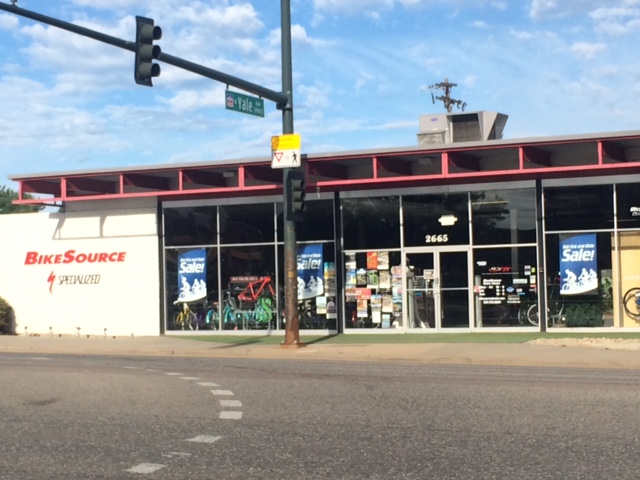
IMG_2904I went immediately to Bike Source, where I had arranged to have a tune-up, new chain brake pads and wheel alignment for the Surly. Gotta keep my ride in top shape.

I will be in Denver until Friday, when I head up and into the mountains, finally penetrating the Front Range I have been keeping on my right for the past week. But stayed tuned., Although I won’t be making much distance, I have some special trip blogs planned for those of you who like your daily dose of cycle musings.


Posted in Bicycle Trip Log | Tagged , | Leave a comment

Profile Response: Racine Police Department Racine, WI


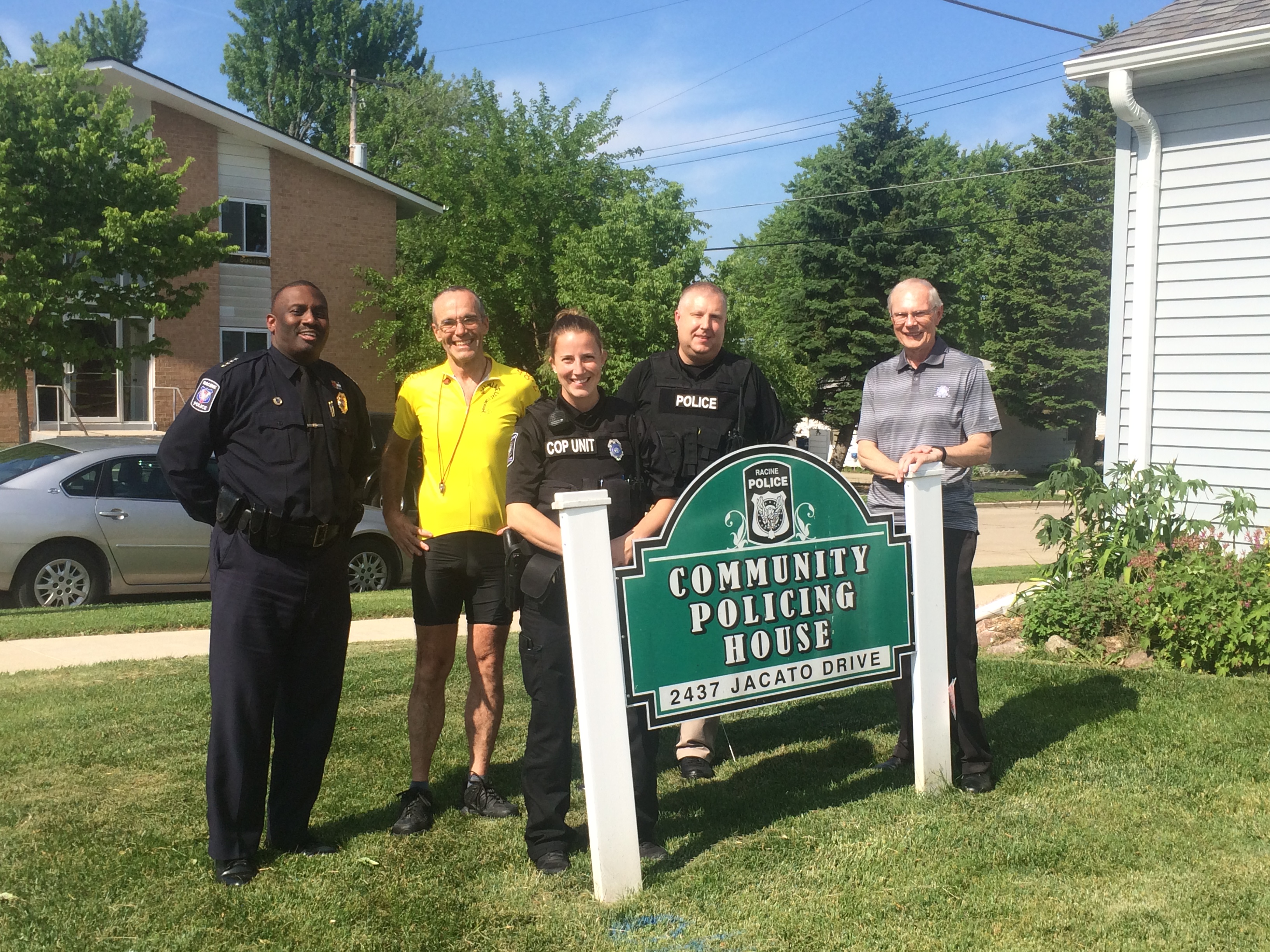
HWWLT Logo on yellowI heard that the Racine Police Department had an innovative community policing program, so a few days before arriving in the city of 81,000 along Lake Michigan I sent an email request through their website asking to meet. I wasn’t surprised when I heard nothing in return. Then, the morning I entered Wisconsin I received a voice message from Lt. Dave Wohlgemuth asking me what time I would be available to meet. Excited, I called right back and set up a meeting time. When I pedaled up Jacato Drive I found the small house with the Community Policing House (CPH) sign opposite a row of apartment buildings undergoing extensive renovation. Inside, Lt. Dave introduced me to five other officers, including the Chief of Police Art Howell; Retired Chief of Police Richard Polzin, founder of Racine’s Community Oriented Policing program (COP); Deputy Chief John Polzin; Lt. Al Days; and Officer Sarah Zupke, the current COP Officer assigned to the Jacato House.

It took more than a moment to absorb the number and rank of officers who came out to talk with an itinerant cyclist on a Wednesday afternoon, but once I got my bearings I appreciated the range and depth of our conversation.

Chief Howell began by providing context. In the early 1990’s Racine, caught in the drug traffic between Chicago and Milwaukee, had the highest crime rate in Wisconsin. The local paper highlighted this in a special report, ‘Fortress Racine’. Jacato Street was one of the worst hotspots, where drug dealers controlled the row of apartment buildings. Former Chief Polzin realized that business as usual was not working, so set about to find alternative ways to address the situation.

Chief Polzin provided additional background. He learned about the basics of community policing at national conferences, and decided to apply them in a specific way in Racine. Like most cities, Racine Police worked in pairs and operated out of cars with little direct relationship between individual officers and members of the community. They started holding neighborhood meetings in high crime areas, often in the form of block parties. Then, they purchased a duplex in one neighborhood and a storefront in another. They assigned one officer to staff it Monday through Friday during business hours. “It’s not a Precinct House; it’s a community house, a place in the community where there is a regular police presence.

“The night before the first COP house opened, a local gang shot seven bullets through the front door. We moved in anyway. We started walking the neighborhood, talking with people. Helping them get inspections, making it clear the city and the police had not abandoned them. The key is finding the right location. You have to be right next to the gangs. A block away is too far.”

The Officers who staff the local houses are part of the Racine Police Department, but the COP houses and their activities are funded through a non-profit organization, not the city. This provides more latitude in what they can support, and allows them to respond to needs quicker. “If we had to requisition through the city for Halloween candy, we wouldn’t get it approved on time.”

IMG_2255

The houses evolve into de facto community centers for challenged neighborhoods. Parole officers work out of several of them, some are after-school hang-outs. There is a conscious focus on youth, to create positive relationships in the years before crime patterns emerge.

I asked Chief Howell if buy-in from the police officers has been difficult. He replied that it was, at first, until the officers realized the program benefits them as well as the community. “Better relationships with the community lead to better information, more trust, and greater safety on both sides. We had an officer shooting incident last year, but we didn’t see the kind of community response that other cites have witnessed because we had twenty years of trust equity to avoid inflaming the situation.” Regular patrol officers have learned to rely on the COP officers as additional resources, mini-Chiefs who know their area very well. Not only do the COP officers assist in calls, they also diffuse a lot of situations so that many calls never happen. “It was difficult for officers to see the Chief’s vision back in the 1990’s. Now that we see what’s happened in Ferguson and Baltimore, we get it.”

Former Chief Polzin added, “We have to remember history. Back then, officer safety was a big issue. Third shift officers wore helmets. Everyone knew the situation was not stable.”

Lt, Dave added, “I’ve never been a COP officer, but I can see how COP has become our department philosophy. We rely on COP officers in our planning; they have access to information that we don’t know downtown.”

Al added, “I started out in the DARE program in schools and realized that Trust, Respect and Engagement are the key. That’s why the COP approach to policing makes sense to me. You have to give all three to get all three. I was born and raised in Racine. I was shot at in my neighborhood when I was younger, then I was a COP officer in the same neighborhood.”

Chief Howell explained, “We make arrests and enforce the law by force when we have to, but our objective is to intervene before that happens. Twenty years ago we started Cops and Kids Fishing. Now, those kids are adults and they are not shooting at us. We formed a positive bond and relationship that helps us cull the bad stuff and plant new stuff.”

There are Community Policing Houses in six Racine Neighborhoods. The Police Department evaluates their success in a variety of ways:

  1. Reduced crime. ‘Fortress Racine’ is history. Racine now has the lowest crime rate in Wisconsin. Although Chief Howell presented me with an array of statistics to demonstrate that, I figured the fact that six officers spent the afternoon with a lone cyclist was proof enough of the city’s quiet.

2, Economic Development. Walgreen’s recently built a store next to the first Community Policing House; another neighborhood got a grocery store. Several neighborhoods have had new hoIMG_2256me construction, and the apartment buildings on Jacato Street have been gutted and are being renovated into market rate rental apartments.

  1. Citizen Involvement. As the houses became more integrated in the community, neighbors had better relationships with police and became more cooperative. A few years after the program began the police staged a coordinated 92-drug arrest that turned the tide of crime in the city. Now the agendas in community meetings have evolving from how to deal with shootings to how to create safer streets for children to play.
  2. Officer Commitment. Today, it’s competitive to be assigned to a Community Policing House. COP officers receive additional training; they are the police department’s diplomats.

Chief Howell is proud of the accomplishments begun under his predecessor and continued for over twenty years. But he realizes that they cannot rest on their success. “We have a fifty year low in serious crime, but we cannot celebrate, we are never done.”

How will we live tomorrow?

“What we are doing here is exactly how it needs to be.”

Posted in Responses | Tagged , , , | 1 Comment

Trip Log – Day 68 – Boulder, CO to Arvada, CO

Boulder to ArvadaJuly 12, 2015 – Sunny, 90 degrees

Miles Today: 24

Miles to Date: 3,983

States to Date: 18

IMG_2885Boulder’s church aisle is a bike path. I saw more cyclists, on road bikes, dirt bikes, and mountain bikes, on one Sunday morning in Boulder than in the rest of my travels combined. There were plenty of cars too, laden with bike racks, as I climbed out of town on Highway 93. Even though it was a short day, I got a good workout; the wind was in my face the whole way.

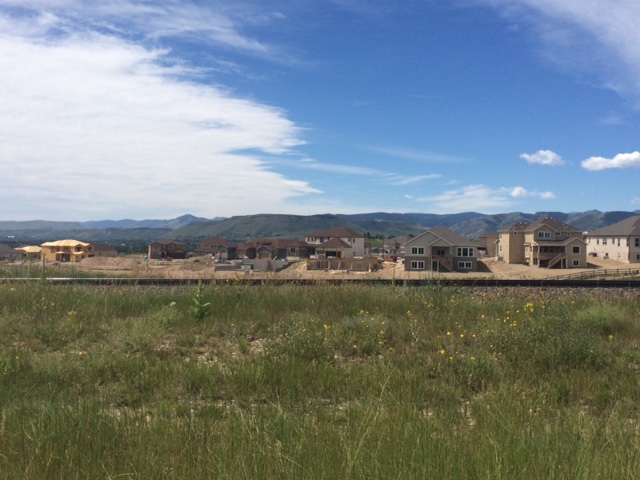
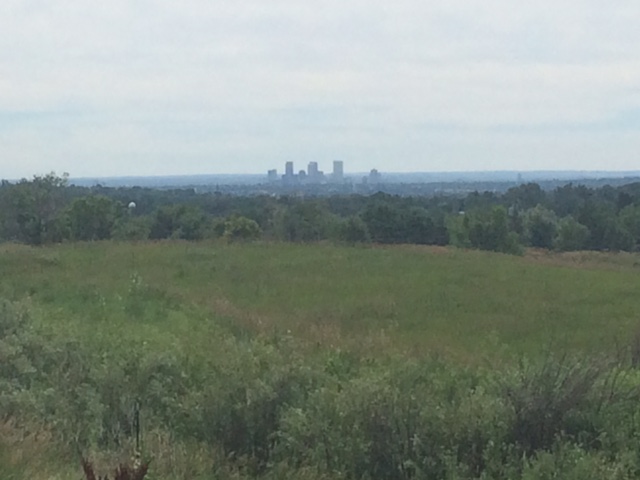
Once I turned east on Highway 72 I enjoyed the long decent into Arvada, with Denver beyond. The distant skyline sparkled on the horizon, where it wasn’t interrupted by the steady crawl of single-family houses scratching up the foothills. Denver probably has the largest psychic catchment are of any city in the United States. Ever since Bismarck, Denver has been the reference city for everyone I’ve met. It is the capital of the West.

IMG_2892 IMG_2893

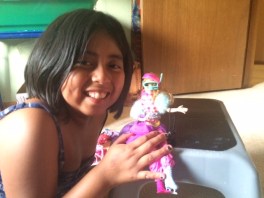
Since I was invading my brother and sister-in-law’s house house on their anniversary, I picked up a big bouquet at King Sooper before I arrived around two and we passed the hours in catching up since we got together last year.IMG_2896 My eight-year-old niece Izzy is deep into Barbie. We spent an hour dressing and redressing her collection, eventually distorting our play into ‘What could get Barbie kicked out of the prom? Out of boarding school? And out of church? Bachelor uncles can be mischievous influences. After pizza and beer and s’mores on the backyard fire, we played cards until we were too tired to reminisce any more.


Posted in Bicycle Trip Log | Tagged , , , | Leave a comment

Featured Response: Peter Mulvey, Musician

HWWLT Logo on yellowHow will we live tomorrow?

“I think of this often. Steven Pinker’s amazing book, The Better Angels of Our Nature, charts the decline in human violence over the past 800 years. His TED talk is a distiller version. It makes me incredibly hopeful.

“However, an ecological disaster would set us back. We can’t proceed toward peace and prosperity if we have stressed the planet to the breaking point.

images“I think of the vast complexity of this, and then when I need to go to the grocery store or the hardware store or my parent’s side of town for lunch, I let these complexities in the background steer me away from the car key and toward the shed key. And in the shed, there’s my bike.

Posted in Responses | Tagged , , | Leave a comment

Trip Log – Day 67 – Fort Collins, CO to Boulder, CO

Fort Collins to BoulderJuly 11, 2015 – Sunny, 90 degrees

Miles Today: 45

Miles to Date: 3,959

States to Date: 18

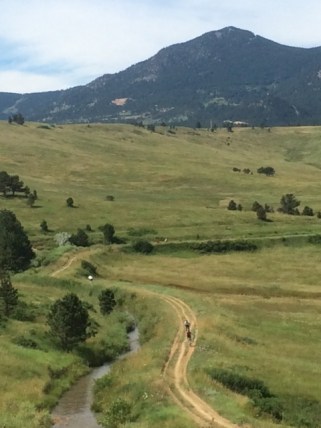
I slept in, took an easy leave, and headed south on U.S. 287, Main Street of the Front Range. Regardless what was on the side of the road, a quick glance to the right always revealed an amazing view gentle foothills, rugged mountains and snow capped peaks, topped with swirling cloud icing.

IMG_2850 IMG_2855 IMG_2857 IMG_2860 IMG_2869 IMG_2859

IMG_2853I pedaled through Loveland, which had a Saturday festival and girl’s softball tournament in full swing. Then on to Longmont, where 287 turns into a charming, tree-lined shopping street. I stopped for a break at a Valero and met Sarah, the sweetest convenience store clerk ever. Then stopped at Simply Bulk to talk to the owner about tomorrow.


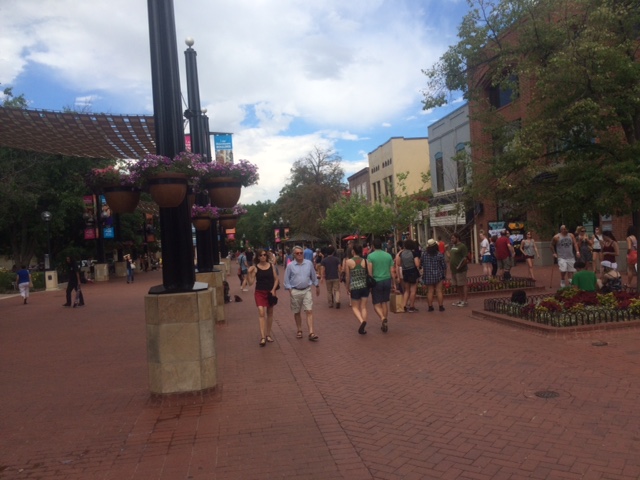
IMG_2873The last fifteen miles climbed up, up to the base of the foothills in Boulder. I arrived at Pearl Street about four and had time to absorb the street jugglers, daredevil skateboarders, and chubby men giving out free gay hugs next to silent Christian protestors. Grandparents pushed carriages, longhaired guys wore nothing but ragged shorts, middle class tourists licked ice cream, and all manner of casual strollers looked each other over. The constant din of an accordion player accompanied the passing conversations. The sun shined bright and then disappeared behind ever-dramatic clouds that threatened to deliver rain, and finally did with a thundercloud burst.

IMG_2879I pedaled in the downpour the few blocks to a CU fraternity house near campus, where my warmshowers host Alana is living for the summer. Her sixteen-person coop, Chrysalis, and another coop in town, Masala, have taken over a frat house while their own homes are being renovated. It proved a great place to engage in Boulder’s eclectic yet embracing ways.


Posted in Bicycle Trip Log | Tagged , , , , , , , , , | 2 Comments

How will we live tomorrow? – Responses

How will we live tomorrow?

“Part of me wants to live in the world of Mad Max, but I just want to ride my bike and hang with my family.”

Evan O’Toole, Structural Engineer, Laramie, WY

How will we live tomorrow?

“I want a boyfriend with teeth and a job and a car.”

DaNae, Administrator at Nuclear Power Plant, St. Could, MN

How will we live tomorrow?

“We all have to get along. People, trees, grass. This is all we have.”

Byron Peterson, Humanist, Scottsbluff, NE

How will we live tomorrow?

“We will live tomorrow in a red jeep wrangler in Steamboat Springs, in a brown house with a red door. Alternating months I will go to my friend’s house in Taos in an earth ship. I’m going to work as a CSI person, live happily, and die in my sleep.”

Anna Lipker, age 15, Fort Collins, CO

How will we live tomorrow?

“I want to make something of myself, to become a pediatrician.”

Tamara White, American Youth Program saleswoman, Scottsbluff, NE

How will we live tomorrow?

“We have to create lifestyles that enable people to ride their bike.”

Travis Neidert, Subway store owner, Fort Collins, CO

How will we live tomorrow?

“That’s a pretty deep question. I want to respond to how we ‘should’ live: consciously, aware of others, aware of the environment. People buy so much more than we can use, then throw the rest away. We need to be live more consciously of all things.”

Devon Merrican, The Mixing Bowl, Gering NE

How will we live tomorrow?

“We are not going to live significantly different tomorrow than today. Same stuff.”

Bruce Becker, Accountant, Fort Collins, CO

How will we live tomorrow?

“Keep breathing, with joyful spirit.”

Linda Cardinal, Graduate student in nutrition, Laramie, WY

How will we live tomorrow?

“We are getting married on Saturday.”

Page and Brad, University of Wyoming Graduate Students, Laramie, WY

How will we live tomorrow?

“It’s a complex question. What is the time frame? What is the future? When I read it I asked myself, ‘Why is the question so big?’ I want to answer how we should live tomorrow. We can make the world better with more mindfulness, more consciousness. We are making smaller communities where people are pursuing local foods, local interests. Maybe we’ll all move into a leisure economy. Why should we all work?”

Camilla Kristensen, Scientist, Fort Collins, CO

How will we live tomorrow?

“I know how I’d like to live tomorrow, but I’m not sure how we will live tomorrow. Personally, we will live with more squirrels and rabbits. They are multiplying.”

Susan, extraordinary cook, St. Cloud, MN

How will we live tomorrow?

“I want to ride a double century. Maybe to Fergus Falls and back.”

John, Air Force veteran, electrician, cyclist, St. Cloud, MN

How will we live tomorrow?

“Better than today.

Phil Cardinal, cycling enthusiast, Laramie, WY

How will we live tomorrow?

“I am going to have one of those BMW cars with a fake grass lawn and salt water pool. I want to live in a penthouse. And I’m not going to have any kids because they are noisy.”

Alex Lipker, age 13, Fort Collins, CO

How will we live tomorrow?

“Tomorrow is going to come so you might as well prepare.”

Sarah, convenience store clerk, Longmont, CO

Last summer Sarah was homeless. She wound up in Boulder. “It is the most wonderful place on earth. Everyone is happy to see you and accept you.”

How will we live tomorrow?

“I don’t know. I am not the Creator. I am from Dallas. To make that projection would be to play god.”

Kenny Ivory, American Youth Program saleswoman, Scottsbluff, NE


Posted in Responses | 2 Comments

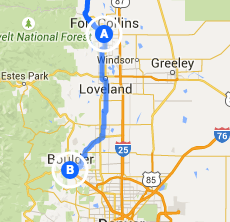
Trip Log – Day 66 – Laramie, WY to Fort Collins, CO

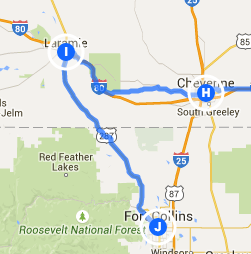
Laramie to Fort CollinsJuly 9, 2015 – Sunny, 80 degrees
Miles Today: 75

Miles to Date: 3,914

States to Date: 18

IMG_2822I woke up at 5:30 a.m. and was out of Laramie by 6:30. Already I can feel the days getting shorter, the morning was just getting underway as i headed south on U.S.287. But for the first time in Wyoming, the skies were clear!


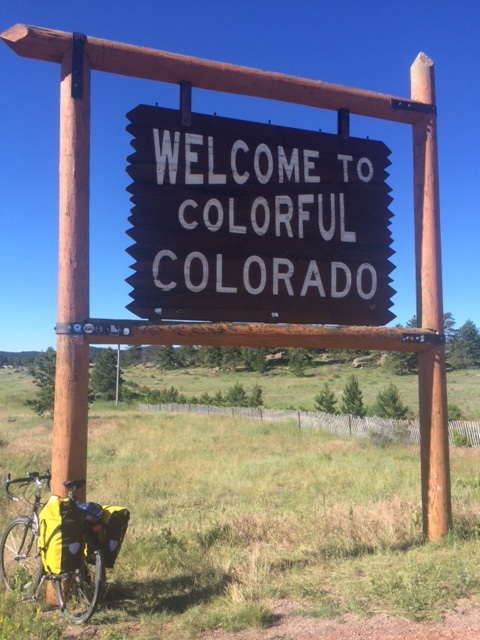
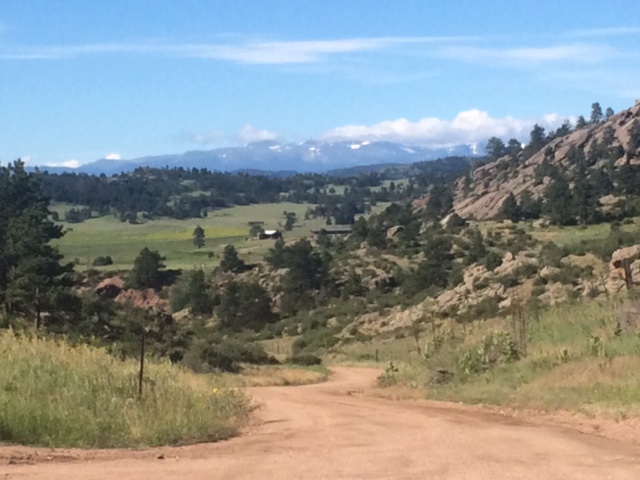
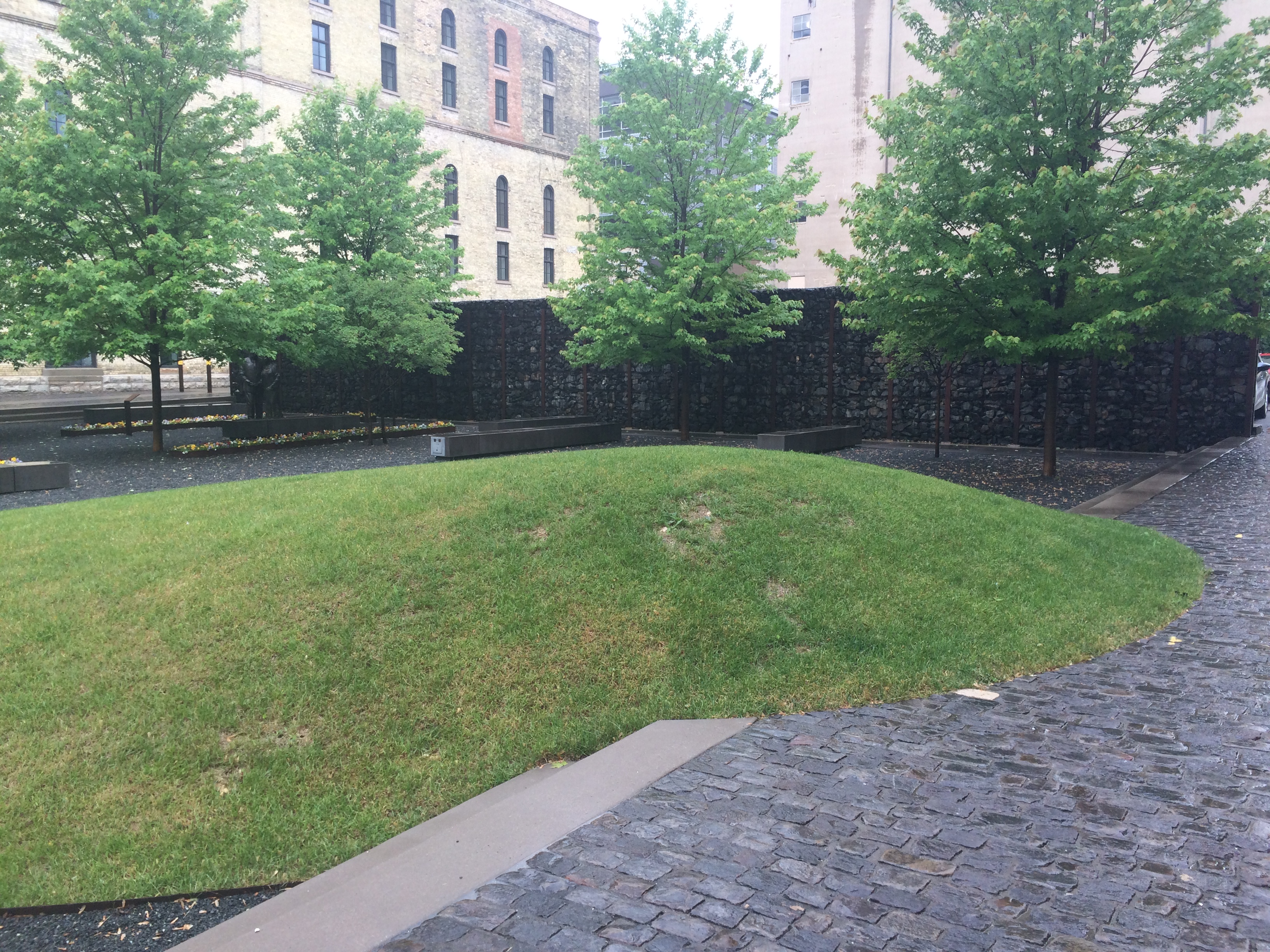
Twenty-six miles in I crossed the state line, and – voila – the entire landscape changed; Wyoming’s stark majesty turned into Colorado’s layers of rocks and hills and mountains.

IMG_2824 IMG_2825 IMG_2826

I turned off the paved highway for a dirt stint to get to Haydn Christenson’s specialty farm north of Fort Collins. On the dirt path of Owl Canyon Trail I met Vicky Mortenson who told me local stories of Overland Stagecoaches and Butch Cassidy.

IMG_2829 IMG_2830 IMG_2831

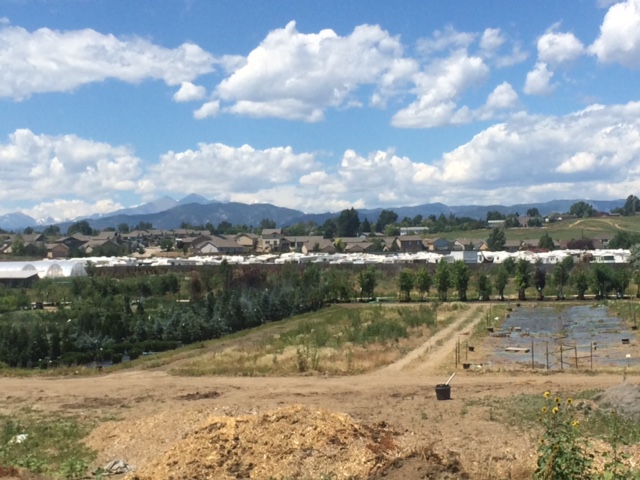
IMG_2836I had hoped to get to Haydn’s by 1:00 p.m. but the push of the 2500-foot elevation drop from Laramie Fort Collins helped me cover 57 miles by 11:30 a.m. – a record for morning pedaling. Haydn and his girlfriend Lindsey showed ma around his high yield, ten-acre farm, which has some cool implications for tomorrow.

The final twelve miles into Fort Collins were a breeze. I had a good barbeque lunch at Moe’s on College Ave and then met up with Brian Janonis, retired Head of City Utilities. Instead of having a chat, he invited me on a city-sponsored walk through the area north of downtown to discuss prospects for turning the area around the Poudre River into a Innovation and ‘rugged scale’ commercial district. Since I can always use more exercise (!) I might as well add a mile of two of walking to my day. The tour was fascinating. A few projects are IMG_2848already underway; Fort Collins has impressive sustainability objectives. The first really big project is a $30 million distillery; more proof that our microbrew fetish is giving way to harder stuff.
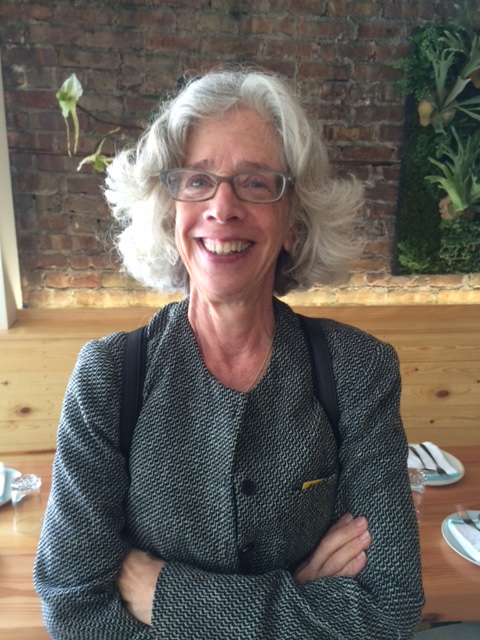
Finally, I wove my way through town and the CSU campus to my wonderful warmshowers host for the evening. Camilla, her boyfriend Bruce, and his two children laid out a great cook-out followed by an ice cream bar. Camilla raises bees and I learned about hive life. I think bees and Chinese are two longstanding cultures that share much in common.

Posted in Bicycle Trip Log | Tagged , , , , , , , | Leave a comment

Profile Response – Eliza Klein, Glen Ellyn, IL


HWWLT Logo on yellowEliza Klein was an Immigration Court Judge for in Massachusetts, Florida and Illinois. She stepped down after over twenty years and is currently helping a law firm that represents clients of Central American and Caribbean descent to enhance their immigration law practice. We are facebook friends through a mutual friend in Cambridge, MA. We met in person for the first time for lunch at a toda madre in Glen Ellyn, IL. She was interested in my experiences from the road; I was equally interested in her perspective on immigration and immigration law. Like all good attorneys, Eliza has a knack for distilling ideas and actions into fundamental concepts. Our conversation was far ranging, yet her perspective on each topic enhanced my understanding.

I asked Eliza why she thought immigration is such a thorny issue in our country. She explained how everyone has positive personal stories about interactions with immigrants. However, there is collective fear of them, especially in difficult times, when we feel we’re losing stuff – jobs, income, healthcare, and education – if they gain something. “When we go through life, we personalize or globalize our experience. We think that the personal stories are the exception to the rule, but immigration is a collection of personal stories. You have to like people to work in immigration but it is hard to ‘own’ such a big national issue.”

Eliza has a twenty-two year old daughter, recently graduated from Yale. When I mentioned my hope for the future in having so many positive interactions with people in their twenties she put the idea in historical context. “We were fed the World War II myth of a ‘good war’ and American supremacy. Our parents believed it completely, and we acquiesced to it. Our children are not colored by that.”

Eliza asked about the stories I was hearing on the road; I described a few of my favorites, marveling at the meaningful ways that strangers opened themselves up to me. “People can open up to you because you are passing through. They can’t expose as much of themselves to people they see everyday.”

I asked about a growing consensus that we will have a change in our immigration laws, that both sides of the political divide are accepting that. Eliza agreed that there is agreement among politicians that we have to do something, but are challenged as to what and how. The Republicans will do anything to deny Obama a legacy, but they need the Latino vote to win the next election. Meanwhile the Democrats don’t like Obama much either. Eliza believes that Obama is true to himself, neither liberal nor conservative, he seeks collaboration in a hostile environment.

“When I began working immigration law, there was some way to portray nine out of ten cases in a beneficial way. Now, it is one in ten. In 1996 Congress reformed Immigration laws to move away from a policy of ‘family first’ to a punitive stance in order to prevent people from coming or coming back. The Executive branch can’t change those statutes, but it can affect whether and how they are enforced.” Eliza explained that the backlog of immigration cases is staggering. “Right now there’s this fictitious date, 11/29/2019, the day after Thanksgiving four years away, which is essentially a parking lot for cases. Executive decisions, like publicized cases of children separated from parents, get attention. But most immigration cases languish for years.” When Eliza began as an Immigration Judge, she was deciding cases of people fleeing internal abuse and terror. “Toward the end, I was seeing kids fleeing gang violence that the U.S. created in Central America. I had to leave. It was immoral.”

How will we live tomorrow?

IMG_2230“The planet and the country are on the cusp of significant change. People will have to learn to be more deliberate in how we live.

“Since I retired I want a little trailer and travel, but my husband wants to update our house. Its a micro-example of how will we use our resources? How do we spend our days? In our case, my husband’s health is compromised, so I bend to his wishes.

“I take the ‘we’ in your question to mean the people on the planet. We have to rethink our relationship with the planet and other species.”

Posted in Responses | Tagged , , , , | Leave a comment