How will we live tomorrow? – Responses

How will we live tomorrow?

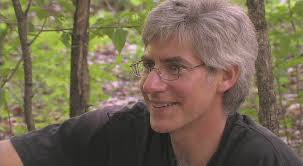
“I feel that by positioning ones self and preparing for the future allows the future to find you. It can’t be forced but if you put the pieces in place the future will find you. Kind of like finding a spouse or a cute little rescue dog ;-)”

Paul Kingsbury, Owner of Kingsbury Cyclery, Elmira NY

How will we live tomorrow?

“I spend time thinking about the rate of technological change. I look at future shock in a microscope. Material development is so fast. I don’t know where it will end up, and am hesitant to make predictions. But the change is so fast.”

Ben, PhD. Candidate in Experimental Physics with focus on electron microscopy at Cornell University, Ithaca, NY

How will we live tomorrow?

“That’s easy. I live tomorrow for my twin two-year olds. Since they’ve been born I’ve been so much better. I quit smoking. I don’t drink as much. I am doing the right thing for them.”

Audie, McDonald’s employee, Corning, NY

How will we live tomorrow? 

“My hope and wish that we will live in a world of clean air and water, renewable energy, equality, and kindness towards all living creatures.”

Abhi Ganju, Physician and artist, Chicago, IL

How will we live tomorrow?

“In togetherness.”

Douglas Stabley, Administrator, Elmira, NY

How will we live tomorrow?

“You can’t lose track of where you’ve been or else you lose appreciation for what you have today.”

Pat Monahan, Events Coordinator, 1796 B. Patterson House, Corning, NY

How will we live tomorrow?

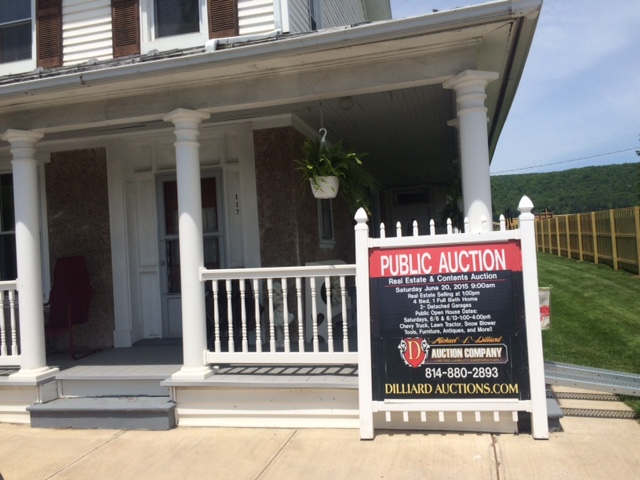
IMG_1978“Right now I live today and tomorrow for my mother. My dad died last year and Mom has to move on. We live in Bloomsburg, but we’re here every weekend. Next month is the auction. We have to sell off 54 years of stuff. Then mom can come and live near us.”

Beth, Daughter, Wife, Mother and Las Vegas aficionado, Rebersburg, PA

How will we live tomorrow?

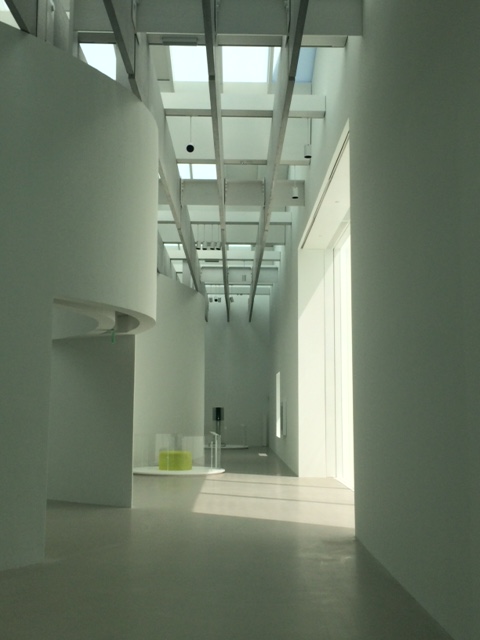
“I will be here, where the light is so nice and the space is so beautiful that you forget the world outside.”

Karen, Docent, Corning Museum of Glass, Corning, NY

How will we live tomorrow?

“I turned 60 a few years ago and thought, whoa, this is the day to start doing the bucket list. I retired; I went sailing on a tall ship. Now I have so many projects but need to set aside time to actually do them.”

David, Software Engineer, Washington, D.C.

How will we live tomorrow?

“Tomorrow is going to be just like the past thirty years.”

Paul Kingsbury, Owner of Kingsbury Cycling since 1981,Elmira, NY

How will we live tomorrow 

“Hopefully, better than today.”

Joella, Cashier at Woody’s in Gillett, PA

How will we live tomorrow?

“We have to have faith in the right direction.”

Terry Barton, wife of Iraqi veteran, Trout Run, PA

How will we live tomorrow?

“When I get a crystal ball, I’ll let you know.”

Mike, World Little League Museum, Williamsport, PA


Posted in Responses | Tagged , , , , | Leave a comment

Trip Log – Day 17 – Corning, NY to Elmira, NY

Corning ElmiraMiles Today: 22

Miles to Date: 976

May 22, 2015 – Sunny, 60 degrees


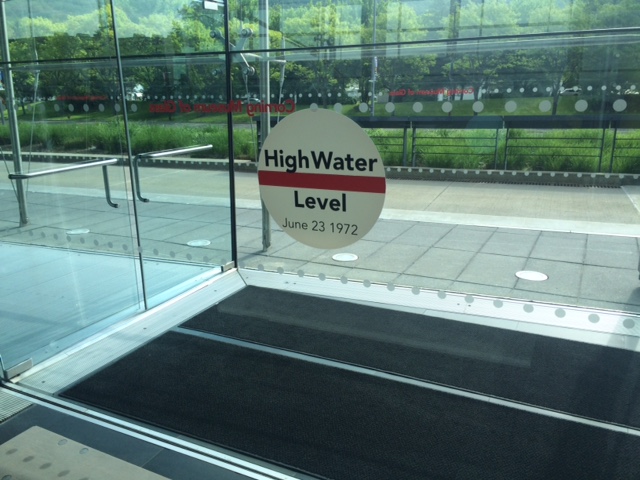
The history of the Chemung Valley can be described in four phases: before settlers, after Corning, before the flood, and after the flood. The flood occurred on June 23, 1972, but for many it is fresh as yesterday.

IMG_1929I spent a day as tourist in Corning. After a big breakfast I got a private tour of the Patterson Inn by Events Coordinator Pat Monahan. The Inn was built in 1796, one of three built in this region to accommodate settlers coming north from Philadelphia and New York to tame the land between the New York line and Lake Ontario. It is the centerpiece of Heritage Village of the Southern Finger Lakes, which also includes a restored schoolhouse, blacksmith shop, barn and log cabin. The Inn is beautifully restored with period furnishings and accessories, as well as one of the most intricate looms I’ve seen.

IMG_1931From there I passed Corning headquarters in the center of downtown. The company took the town’s name when it moved from Brooklyn to this rail hub closer to coal sources essential for glass furnaces, and then the company put the city of Corning on the map. The Corning Museum of Glass (CMOG), like so many places in Corning, marks the high water line of the 1972 flood that changed Corning and its sister city Elmira forever. Both cities downtowns were completely underwater, and each has addressed significant reconstruction.

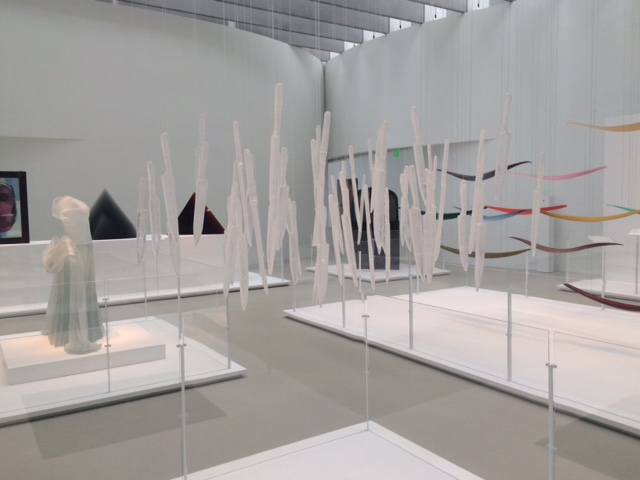
IMG_1934I met with CMOG’s Director of Communication, Yvette Sterbenk, and Chief Scientist, Glen Cook, to talk about tomorrow. Afterward I toured the galleries, which are housed in four interconnected buildings dating from the 1970’s to this year. The span of the collection is tremendous, a balance between demonstrating glass’ technical attributes and artistic possibilities. The new addition by Thomas Phifer is stunning and worth a visit alone, but don’t miss the rest. I met an assortment of people, including a transitioning transgendered person who had incredible ideas about tomorrow.

IMG_1937

IMG_1940I didn’t leave Corning until after 4, and had my easiest cycling day in every respect. The weather was perfect, the wind at my back, and the road through the Chemung Valley a gentle slope. Of course, it was only 20 miles, so that made it easy as well!

I had a delicious dinner with my warmshowers hosts Paul Kingsbury and Wanda Tocci, along with Paul’s father, Paul. That made three Paul’s. Paul Jr. owns a local bike shop and gave the Surly Long Haul Trucker a once over – the Crown Victoria of bicycles is holding up like a charm. Wanda and Paul live above the shop, in a cool penthouse with a roof deck that would fetch millions in Manhattan. Paul opened his bike shop in 1981, when he was twenty years. This led him to quip that tomorrow would be just like every other day for the past thirty years, but that’s definitely not true. There was a lively energy to our foursome. Not only because we had good food and wine and companionship, but the other two Paul’s possess a zest many 50+ and 80+ year old guys lack. I figured it had to do with romance. Paul and Wanda have been married less than a year, while Paul’s dad, widowed a few years ago, is “communicating every day” with a woman he met on Match.com. With so much good vibe in the present, we didn’t spend much time talking about tomorrow at all.

Posted in Bicycle Trip Log | Tagged , , , , , , , | Leave a comment

Profile Response: Jim Merkel, Belfast, ME

HWWLT Logo on yellowJim Merkel is an aeronautical engineer who walked away from a conventional career in San Luis Obispo, CA, became a bicycle activist, wrote the book Radical Simplicity, lived off the grid in British Columbia, travelled throughout the developing world, was Director of Sustainability for Dartmouth College, and is now an environmental educator.


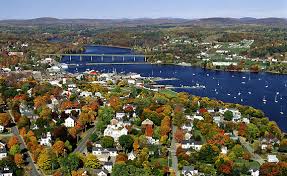
imagesJim became a parent in his fifties. He and his partner Susan searched throughout New England for a community where they wanted to set roots and raise their son Walden. They chose Belfast, Maine, purchased 40 acres on a hill overlooking town, lived in a yurt while they built a super-insulated house from wood milled from clearing their land, and moved into their permanent residence just over a year ago. They are completely off-grid: solar hot water and heat, wood stove back-up, and photovoltaic electric.

Although Susan and Jim are conscious of how they live, they enjoy creature comforts beyond what I think of from living off the land. They own a car, garden with a tractor, and enjoy a 30-foot sailboat. Their home has high quality finishes and is spacious enough to provide both places to congregate as well as individual privacy. They don’t own a television, but otherwise the chaos a five year old brings to a house is evident.

I asked Jim, “How will we live tomorrow?

images-2Our biggest challenge is how to come together as ‘we’ over an issue. When I was a bicycle activist, I studied the Netherlands and how they decided to prioritize bicycle transportation. A series of pedestrian and bicycle accidents, including a few deaths, made people question the wisdom of car domination. This led to conscious changes about how they organized their street system and traffic patterns to make walking and cycling both safer and preferable, while driving became a less desirable option. Accidents declined, the air quality improved, people got healthier. When you needed to drive, it took longer, but the advantages offset this obstacle, and once people adjusted to the new reality that driving wasn’t the fastest way to get around, cycling really took off.

We moved to Belfast because we found a strong collective sense of ‘we’ in this community. Belfast is in its fourth redefinition. It began as a shipbuilding town, then shoe manufactory. In the 1960’s there were giant chicken farms in this area, the kind of mass production now centered in the South. That didn’t last too long, and by the 1970’s this was a very inexpensive place for ‘back to the land’ people. New England doesn’t accommodate large-scale monoculture like the Midwest does, but people can scrape a living from small farms. Those people are the core of this community, which now also thrives from tourism and back-of-imgres-3house services for financial and healthcare companies.
The most dangerous way we can continue is exactly what we are doing now. Native Americans occupied this area for 10,000 years, and evidence indicates that they occupied a one-acre per person footprint. (Acre per person measure is an equivalent consumption index that Jim references throughout his work, and explains in detail in Radical Simplicity. The index equates all of our energy use into land-based equivalents.) Contemporary Americans have a 20-acre per person footprint. There is simply not enough energy or space on the planet for everyone on earth to consume at that level. The level to which the earth will sustain people is a science; it is determinable.

Part of the challenge is that sustainability deteriorates too slowly to see in a short timeframe. When you look out your backyard, nothing looks bad. But consider the loss of fish life over the past twenty years; it’s drastic. Humans accommodate a new normal over a shorter horizon. Ironically, there are still plenty of lobsters. They have no predators now and they thrive.

The reality is that we have no idea how we will live tomorrow. However, when I teach environmental courses I often play, a television game with participants. Not television as in the machine, but television according to its true meaning: to telescope vision. I ask people to go twenty years into the future. I say, “We are in a 100% sustainable world. There are no wars; there is no hunger. You wake up in the morning and remember that the world is sustainable and will continue in health balance. What does that mean?”

imgres-2First, you relax. Then I ask people to describe what that day looks like. We do this in pairs, with one person acting as active listener for the other. Every pair sees a beautiful vision every time. We are able to envision a beautiful future. That is the first step to creating it.

Look at what we did with cycling in San Luis Obispo. We began with visioning exercises. This led to a policy document we presented to the city. The city had proposed $20,000 for bicycle lanes. We asked for $400,000. We made a persuasive argument, and got $200,000. We never would have gotten it without organization and vision.

So, how will we live tomorrow? We have to build the skill set for living together. We have to ask for what we want and not settle for what we think we can get. If our leaders would lead, we could do this within six months. But they won’t. A tiny group of people are making millions and have great incentive to keep things as they are, short-sighted as that is; while we, the majority, are not organized. We are complacent.

images-1The powers vested in the status quo are very successful in navigating the media. Look at NPR. They have a sponsor that says, “Natural gas; think about it.” I don’t want to think about it. I don’t want to consider the pros and cons of fracking. I want to acknowledge that every time we extract a resource that is forever gone, we are not sustainable.

The jury is out on whether social media can coalesce people to action. People have big hearts, and they care. They care about their kids and family and their future. But every day is spent in getting by; they have nothing left to galvanize them to action. I don’t think that many people find time every day to think about their lives.

When I work with college students, I give them a visioning exercise. “What do you love?” I ask them to answer that question and turn it into a life plan. So many people are in unsatisfying careers. They start with a vision – youths have innate vision – but life drains it. Then, you wake up and have a mid-life crisis.
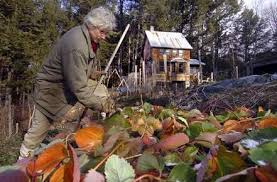
imgres-1The way we have to live tomorrow is to manifest our vision. Live inside our wildest dream. I hear from so many people who read my book and then quit their jobs. But that is not always good plan. You have to have a vision of what you want instead.

One year, when I was at Dartmouth, all freshmen were required to read Tracy Kidder’s book, Mountains Beyond Mountains. One group of students was so inspired they began the Public Health Initiative. If you introduce people to the service option versus the profit and privilege option, at least some will choose service. But most of us are shown privilege as the only viable option.

imgresWe don’t have to throw away capitalism to become sustainable; we just have to tweak its priorities. Harvard has a $13 million Green Loan Fund that has annual returns of 32%. The 2008 bank bailouts would have gone far in eradicating world poverty. Instead, we just threw that money to the banks.

The degrowth movement is gaining traction. Easing us to a better balance with all of earth’s systems. We can decline our population, revise our expectations on standard of living and come into sustainable balance. The Transition Handbook by Rob Hopkins is a good starting point. Take the Stockholm Resilience Centre’s Nine Planetary Boundaries as limiting parameters.

I am not a religious person, but the Buddhist tradition resonates with me: What is the point of hope? If I am in the moment, present, doing what I know I have to do to care for myself and my planet, I can live at peace.



Posted in Responses | Tagged , , , , , , , | Leave a comment

Trip Log – Day 16 – Ithaca, NY to Corning, NY

Screen Shot 2015-05-20 at 12.30.25 PMMiles Today: 49

Miles to Date: 954

May 21, 2015 – Overcast then clearing, 50 degrees


I considered biking back into Ithaca to breakfast at the 24-hour deli, but was more intrigued by moving ahead, even though the next sizable town was over twenty miles. I navigated Ithaca’s big box strip on NY 13 south, and then veered west up a major hill. Thank to the glaciers thousands of years ago, cycling in the East is very predictable: valleys run north/south, so you’ve got to climb and descend when travelling west. In this part of New York, the rise and falls are long, several miles up and then as many down into the next valley.

A light rain fell as I ascended a long hill. I saw a sign for Newbridge, a small town off the main road, and detoured in search of breakfast. I was rewarded with the Varietywich at the Newbridge Cafe: steak and egg with cheese, mushrooms, onions and bacon on a bagel. I met Freddie, who tosses papers three hours a day and loves his job; Nikki, a gas jockey at the local Mobil; and Bridie, the friendly cashier who retired from working for the county, and has been working the cafe counter for sixteen years. “You’ve got to get out. Working here, you meet people.”

By the time I left, full, and pedaled past the covered bridge for which Newbridge is named, the sun started to peak through. My massive breakfast sandwich fueled me all the way to Corning. Trivia of note:

IMG_1913Exquisite Gothic gingerbread architecture

IMG_1914Small waterfalls along the road only people at bicycle speed can appreciate

IMG_1919


Highway crews installing new guard rails. No work is done by hand anymore.

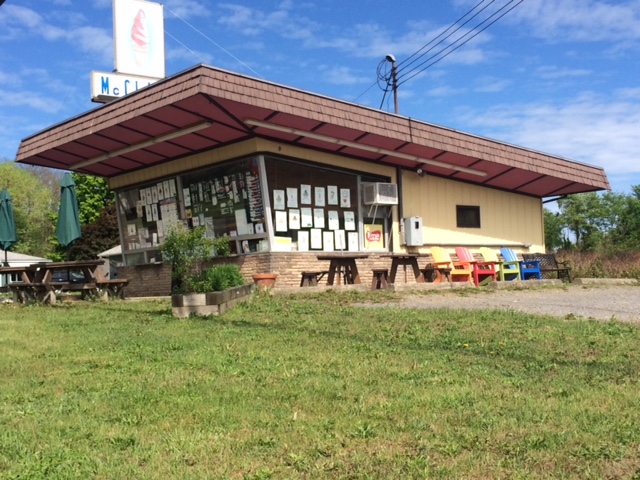
IMG_1918Empty ice cream stands due to the unseasonably cold weather

IMG_1921


Very effective Interstate highway barrier through the town of Horseheads; I couldn’t hear any traffic noise

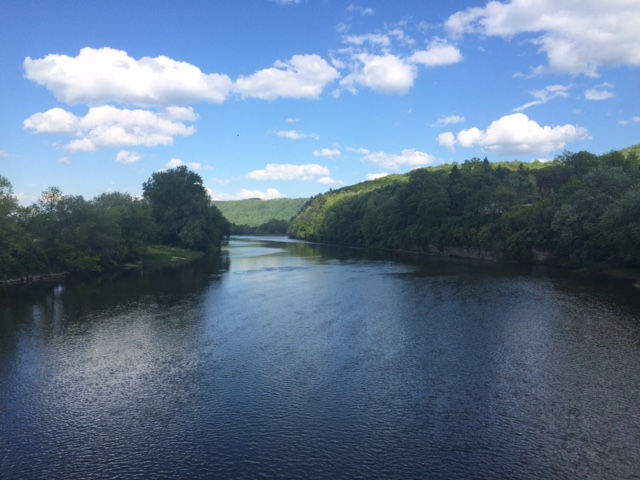
IMG_1922The gorgeous Chemung River Valley in Corning


I arrived shortly after one, and settled into a McDonald’s for an Internet session. McDonald’s is a mid-day haven for cyclists. Fast and free Internet, pleasant interiors that are never crowded, the folks you meet are the full cross-section of humanity, and I am a sucker for the $1 soft drinks or $1 cone. Audie, my counter help, was about the friendliest person I ever met. I spent over two hours catching up with the world electronically, and enjoying her boisterous banter. I was reminded of Dean Freidman’s song:

I am in love with the McDonald’s Girl
She has the smile of innocence oh so tender and warm.
I am in love with the McDonald’s Girl
She is an angel in a polyester uniform

When I left, after four, I realized that my motel was a ways out of town. Luckily, I passed a great looking barbeque joint on the way and stopped for an awesome early dinner. By the time I got to Corning Inn, I was content to settle in for the night.

Posted in Bicycle Trip Log | Tagged , , , , | Leave a comment

Profile Response: Rose Swan Workshop in Union, ME

HWWLT Logo on yellowThe afternoon before I arrived to visit Rose Swan, a family constellations therapist in rural Maine, she called to ask if she might hold a workshop on the morning after I arrived, centered around the question ‘How will we live tomorrow?” How could I refuse?

A dozen people assembled for shared breakfast and the daylong event. Some had been part of the conversion the night before. Others had participated in a previous workshop led by Rose. I could only stay through noon, as I had cycling to do. Here are my observations of the workshop.

Rose began: “How will we live tomorrow? By telling the truth today.”

imagesShe led us through a meditation and explained, mostly for my benefit, that family constellation work involves identifying the strengths, weaknesses, and energy of your own family, then having fellow participants ‘stand-in’ for actual family members to lead to deeper understanding and move toward resolving internal or external conflict. Since last weekend’s workshop was beneficial but intense, the group wanted to come together again, and Rose chose to organize the follow-up around ‘How will we live tomorrow?’

Rose asked us to consider Mark Ryland’s concept that all anxiety can be alleviated by the simple statement, “You are enough.” Some struggle with “I am not enough.” Some struggle with “I am too much.” Many of us struggle with both of those statements in different sectors of our lives.

images-1“My tomorrow vision is a nightmare, but I want to get to a place of hope.” Rose introduced a beautiful analogy. “Maine bedrock crumbles to create soil. We need the soil to live. We need the bedrock for stability. The crumbling is scary.” Rose believes that we all come to earth with a purpose, but during inception we “hug the tree of forgetfulness”. Then, we spend the rest of our days trying to find that purpose, that genesis.

We did a group check-in, an opportunity for introduction and expression. One of the participants, Luke, said something that resonated with me. “We teach children many skills, but we don’t teach them how to love.

Rose divided us into pairs, dyads, and directed us to find a quiet place, sit knee to knee, and take five minutes, one after the other, to state, “What lives in you?” Ours partner listened actively, but didn’t speak. Then, we reciprocated in kind.

images-2When we came together again, Rose laid a small log on the floor and a soft pillow on one side. She asked us to stand on one side of the log, state where we are, recognize the log as an obstacle to getting where we want to be, and then step over it toward the pillow, where we want to be tomorrow.

I am wary of having my emotions manipulated, Yet, Rose’s solemn manner and deep composure allowed me to relax and accept the shared energy that pulsed through the group. At some point I rose and stood on the far side of the log. Since our conversation last night I had been thinking about community, but this morning’s workshop made me realize that I was inclined to observe, rather than participated in it. I acknowledged that my competent, independent nature allowed my to study community from a distance, then I crossed over the log and expressed hope that my journey would help me find and commit to a community in a more conscious way.

In that small way I moved towards Rose’s guidance: to live tomorrow by standing in truth today.

Posted in Responses | Tagged , , , | Leave a comment

Trip Log – Day 15 – Cazenovia, NY to Ithaca, NY

Screen Shot 2015-05-20 at 12.30.25 PMMiles Today: 59

Miles to Date: 905

May 20, 2015 – Overcast and windy, 40 degrees


IMG_1906I had some good things going for me today. A simple route and easy ride: NY 13 the entire way, with gentle rises and long downslopes along a wide valley. But the moment I stepped out of Stone Cottage on Lake Cazenovia, I realized that the ride would be tougher than anticipated. The weather had taken a hard turn from warm to raw. I began with my windbreaker and Gore Tex gloves. Then I stopped to insert my hand warmers. Then I stopped again to add my fiberfill insulator; more layers than I had used the entire trip. It was difficult to appreciate the beautiful farm country with the grey skies and strong wind, mostly against my favor. The thermometer clung to forty degrees all morning.

IMG_1907I made decent time, considering my shivers, and saw some elegant nineteenth century architecture along the way. I landed at Cortland Diner before noon. The local crowd all complained about the weather. My neighbor exclaimed, “Well, we’ve had two days of summer, and now it’s back to fall.”

Fragments of sun popped through my 20-mile ride to Ithaca, but it remained a chilly day. For some reason, road kill was rampant. I swerved by an opossum, skunk, turtle, black cat and full-size deer. I’ll spare my readers photos.

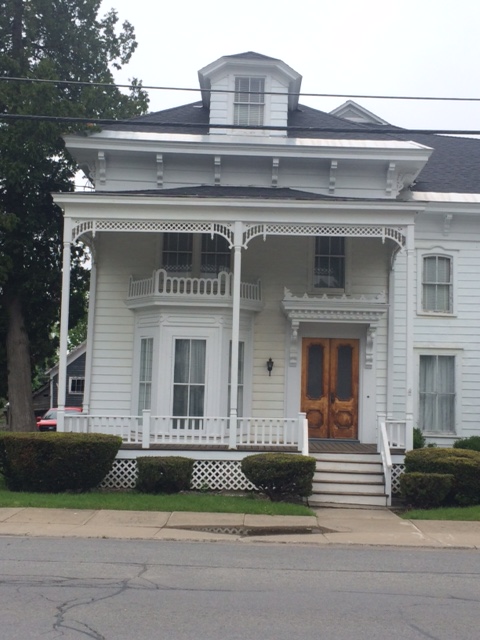
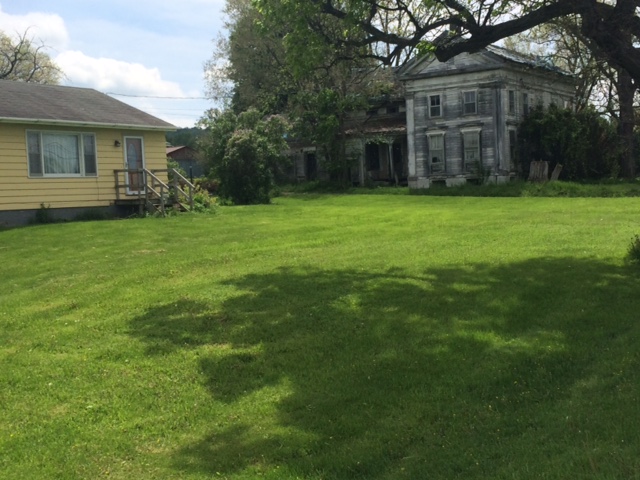
IMG_1909The other unfortunate deterioration I saw were many abandoned houses. This well-kept little ranch next to a well-proportioned Greek revival ruin struck me in particular; though I also saw more recent houses, from the 1950’s and 60’s, abandoned and naked to the elements as well. One man’s palace is another man’s junk.

images-3I rolled into the backside of Cornell and cruised through campus before descending into the center of town. It looks much as I recall from when I was last here, seven years ago, with the spectacular addition of the new IT building, Gates Hall, designed by Thomas Mayne of Morphosis.

After getting set in my motel, I walked to Downtown Commons, which is under construction but funky as ever. Ate an organic burrito at Vive Mexicana and then cancelled out its beneficial effects with a macaroon sandwich – two cocoanut macaroons with chocolate in the middle. Cornell graduation is in two days, so town is full of graduates and families, and most are happy to talk to bike guy about tomorrow

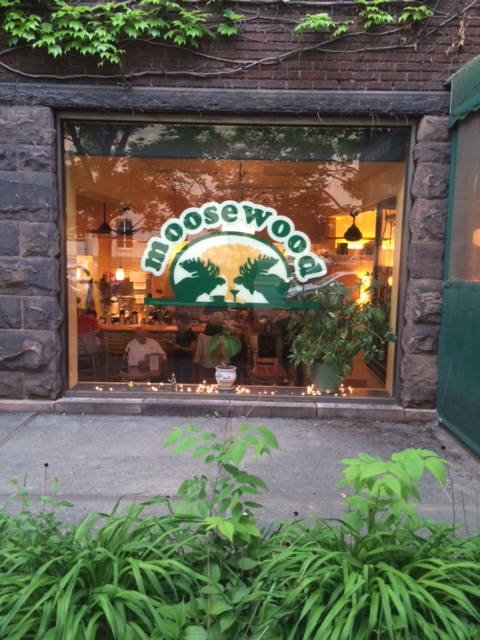
IMG_1912On the way back to my motel I passed the famous Moosewood Restaurant. It would have been a great place to eat and chat with folks, but the serendipity of this journey is that for every experience I gain, there are uncounted missed opportunities. I pass through each place only once and encounter some small slice of life.


Posted in Bicycle Trip Log | Tagged , , , , , , | Leave a comment

Profile Response: Rose Swan Pot Luck in Union, ME

HWWLT Logo on yellowRose Swan is a family constellations counselor and workshop facilitator. Her partner, Jeremy Clough teaches at a Waldorf School. When Rose invited me to stay with them, I looked up Union, ME on the map, explained that it would be a haul to get there, but I’d aim for 7:00 p.m. on a Friday night. That proved challenging. When I finally arrived, after eight o’clock, Rose had assembled thirteen people to talk about tomorrow. They included teachers, farmers, therapists, and dancers. Some were born in rural Maine, others relocated there. They shared a conscious decision to live a simple, remote life. Here is a recapitulation of our conversation.

Human beings have energy zones that are independent of our muscular and kinesthetic energy, yet are related to them. Our movement informs our mental state. Much of contemporary life – computers, TV, movies – agitate our staccato energy. Staccato energy is exciting, but it needs balance in order to avoid tripping into anxiety. There is no legato. Our energy is no longer balanced.

Our electronics provide one level of connection but they mask other elements of connection. We rely too much on visual and written messages. We lose subtlety and body language.

imagesAnd yet we get contradictory messages. The stimuli coming at us are exciting, but children are expected to sit still in school. The normal activity of the child is to move, not sit at a desk. So we put them on Ritalin to curb their natural impulses.

Is tomorrow utopian or dystopian? There are conflicting forces at work. Technology is the wedge that drives us apart, yet it also allows us to advance in phenomenal ways. We can’t go back on it, yet we must acknowledge that it is not only changing the way we view the world, it is actually altering our fundamental being. Just like the printing press made reading widely available. It changed the way we understood the world and simultaneously changed the way our brains developed. In the extreme, we could evolve into two completely separate species: the technical and the non-technological.

When I think about resources, I believe they are finite. At some point they are going to have to be rationed if we are to survive. How can they be allocated in ways that enhance human connection rather than technological disparity? Moving forward, solving problems is not going to work the way it always has; we’ve never accepted the limits of our earth. I worry about having the imagination to address ever more complex problems.

images-1Enough of this! Every generation has their Achilles heel. Ours is technology. We have to learn how to grapple with it and make it serve us, but I’m sure that we will. Every other generation has addressed its challenges. I have hope.

I agree. Framing tomorrow in terms of technology is a very narrow frame of reference, especially when compared to the totality of human history.

But we’ve never encountered anything quite like it. Facebook is like eating Little Debbie snack cakes – no one admits to it but everyone eats them. Technology, especially in the form of social media, is like mental candy – a constant rush of sugary stimulus.

imgresHuman development mirrors societal development. In the Waldorf School approach, we mirror the curriculum and expectations to human development. We want to teach children age-appropriate skills and values that they can take into the future. Our work revolves around myths and fairy tales in second grade, when children’s imaginations are prominent. We teach the Greeks in fifth grade when Idealism is ripe. We teach modern history and war to seventh and eighth graders, when they are developmentally rebellious.

History shows that adaptability and change are the only constants. When you realize that you can ask a question, that your voice can influence and affect, that’s when the world changes.

imagesRose explains why she values studying constellation modalities in relation to this question: “People have forgotten where we have been. History helps us understand our place in the fabric of existence. If we have a context, today, of where we are from, we will be prepared for tomorrow. We shape tomorrow by standing in truth today. We need to acknowledge our place. People are experiencing a lot of anxiety because we have lost context. Myths and stories give us context. They root our place in this world.”

We have so much stuff. We can’t keep having so much stuff. I grew up in a village. We looked after each other. When there was a physical village people didn’t move. Now, we can stay in touch so easily, the village is the globe. The resources available are much better, but something is lost.

We’ve lost that sense of community. How do we find a sense of community?

There is a schism between people and the land. People leave the land. They move to the city. They get jobs to buy food grown by others and live in houses built by others. They lose their sense of control.

The earth dimgres-1oes support us. But our society doesn’t support us.


You can live off the land, but you can’t make a living off the land. We have become used to higher standards than our forebears enjoyed. We ‘need’ a toilet; we ‘need’ the Internet. The land can’t give us that.

So now we have to create community consciously because it doesn’t happen organically. The mutual support that was required in an agricultural community – everyone helped everyone else during haying or disease – is gone. We don’t all go to LaGrange balls and Sunday church suppers. Our community can be the entire world, and that makes it more difficult.

Technology gives us unlimited connection, and yet it limits actual connections. In the old days you picked up the phone when it rang and said, “Hello.” Who does that anymore? Now we screen our calls, talk only to those we know and like. Nothing is random or unexpected.

The start of community has to be us all here, sitting and talking.

Posted in Responses | Tagged , , , , | Leave a comment

Profile Response – Shannon Garrity and Chip Noble, DeLorme

HWWLT Logo on yellowBicyclists stop to explore what cars zoom by. I had passed DeLorme’s headquarters building with its glass atrium and giant globe along Route 1 in Yarmouth, ME dozens of times but never stopped. Now, at a slower pace, I not only stopped. I listened.


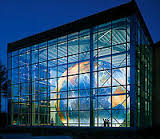
imagesEartha, the world’s largest globe, consumes the company’s three-story atrium. We are used to globes we hold in our hands or twirl on a desk. But this 42-foot diameter model (1:1,000,000 scale, an inch is just under 16 miles) changes our relationship to the world. I always knew that the Pacific Ocean occupies half the earth, but until I stood on the balcony and watched this tilted orb spin until all the land disappeared (save lonely Hawaii), I never really understood that ocean’s immensity. Nor did I understand how contracted land is at 40 degrees latitude; flat maps contort that. Nor did my daughter Abby in Cambodia ever seem so far away.

Like an aquarium, Eartha captivates your eyes and triggers your imagination. But Shannon Garrity woke me from reverie and escorted me to an upstairs conference room where she and Chip Noble discussed how will we live tomorrow from a Delorme perspective.

imgres-2

DeLorme began over thirty years ago as company that made Atlases. The first one was Maine, organized in a book that graphed the entire state in scale and register. Everyone I’ve ever known from Maine swears by their Gazetteer. DeLorme, the leader in detailed maps, now makes them for every state. But paper maps are hardly cutting edge. Tomorrow lies in tracking – knowing where people and vehicles are in real time. And all the data that DeLorme has to make paper maps is transferrable.

Shannon is a cartographer who coordinates DeLorme’s primary resource – an immense database of geographic information. Chip is a project manager for Outdoor Products; DeLorme’s niche is people in open country. Their detail regarding utility lines, railroads, and elevation changes is superior to any competitor.
inReach-Explorer_WeblargeIn 1997 DeLorme offered its first GPS tracking device, Tripmate, a cumbersome accessory connected to a laptop. In the ensuing years the focus has been on more detail and smaller devices. Their latest product, InReach is smaller than most smartphones, and can send information about your location, and send/receive text messages. In time, DeLorme’s subscription-based services will evolve into a smartphone app. As Chip says, “the platform doesn’t matter to us, they’re just different ways of applying our data.” Launch of the Android app was imminent when we met.

imgres-3DeLorme’s focus aligns with David DeLorme’s initial vision of getting people information where nobody exists. Hikers and adventurers are prime users, but companies involved in exploration – oil and gas, forest fires, humanitarian relief – find business applications. Chip says, “We track hikers, and we track assets”. DeLorme marks your route, tracks your progress, shares it with others, and creates web-based background information about the environment being explored.

How will we live tomorrow?

“The technology is great, but people will still want paper maps, for safety and redundancy. Devices will get more effective and smaller, but people will still want a map folded up in their pocket.” – Shannon Garrity

“The future of technology is so exciting. We look at what’s out there and figure out how to bring our core competencies to it. We are not tied to any one device or technology.” – Chip Noble


Posted in Uncategorized | Leave a comment

Trip Log – Day 14 – New Hartford, NY to Cazenovia, NY

Screen Shot 2015-05-20 at 12.29.53 PMMiles Today: 43

Miles to Date: 846

May 19, 2015 – Sun, clouds and thunderstorms, 75 degrees


Linda Turner, my warmshowers host, fried up hash browns, steak and eggs. Over breakfast she shared her explorations in genealogy – up to ten generations back through some branches of her family. She has connected relatives that didn’t know each other existed, bridged gaps that occurred when so many died in the 1918 influenza, held a reunion for more than 200 people from the ‘Murphy’ branch, and traced her ‘Adams’ connection back to our founding father. Linda demonstrated the amazing array of historical resources she uses on line and contributes her own findings with sites documenting her family roots.

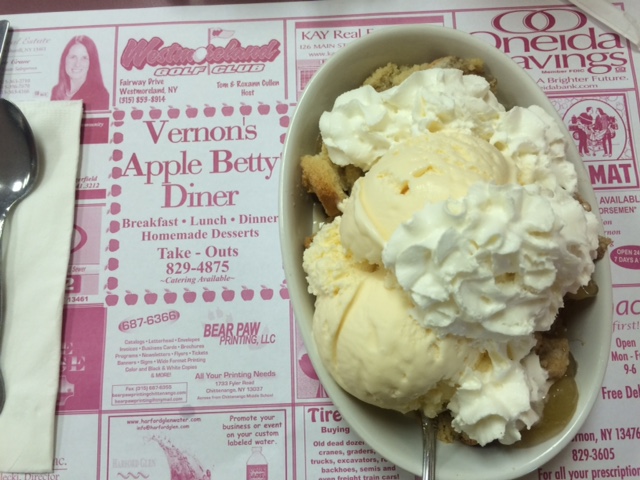
IMG_1898The day started muggy. I encountered a cooling light rain as I headed west. When I stopped at Apple Betty’s for lunch, the waitress told me I had just missed a huge downpour. Good thing I made a late start; also good that I ordered Apple Betty’s namesake dessert, which was terrific.


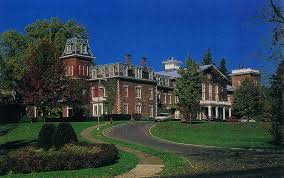
imgresI spent the afternoon at the Oneida Community Mansion and had a fascinating discussion with Executive Director Patricia Hoffman about the impact of the Oneida Community on the nineteenth century utopian movement and what their legacy means for tomorrow.

IMG_1885By the time I began my late afternoon ride, the storms had passed, the air was crisp, the farms lush, the birdsong delightful. I meandered on country roads in a south and west direction, clinging to river valleys except for one questionable turn that took me up a wicked step hill. Eventually I returned to U.S. 20, which I had left yesterday, and pedaled the long rolling hills into Cazenovia.

IMG_1903John Cawley, my warmshowers host, lives in an incredible Civil War era building called Stone Cottage that sits at the very end of Main Street, overlooking Lake Cazenovia. We visited in his living room, which has the most incredible crown molding – made of wood – I’ve ever seen. Then he cooked spaghettis with meatballs, offered me Yuengling, then ice cream. We took his dog Teddy for a walk along the lake at sunset, and when I climbed into my period four-poster bed, I fell into solid sleep.


Posted in Bicycle Trip Log | Tagged , , , , , , | Leave a comment

Trip Log – Day 13 – Cobleskill, NY to New Hartford, NY

Screen Shot 2015-05-18 at 10.09.53 PMMiles Today: 72

Miles to Date: 803

May 18, 2015 – Sunny, 80 degrees


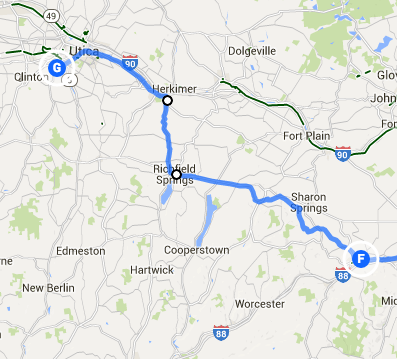
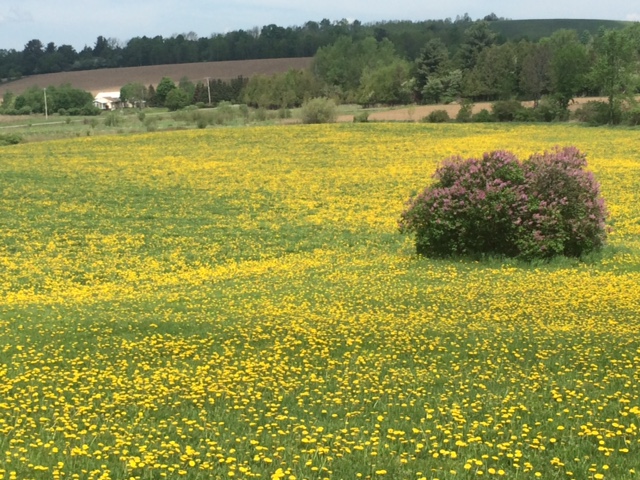
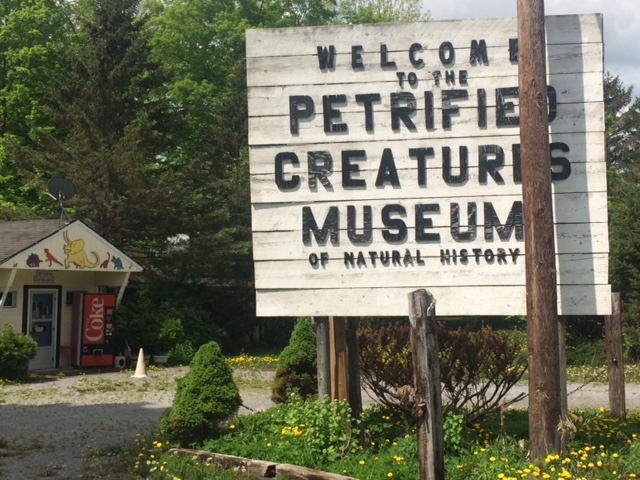
I made several trips to my hotel breakfast bar and floated out of Cobleskill on a beautiful Catskills morning. Thunderstorms were in the forecast for afternoon, but I had detailed directions and plenty of time to log the 67 miles to New Hartford. I rode through glorious farm country, past graceful churches, Mennonites in buggies, past millions of dandelions, and odd roadside attractions.

IMG_1887IMG_1896IMG_1897IMG_1894

IMG_1892Route 20 is a huge road with wide shoulders and absolutely no traffic. I was making good time.

At Richfield Springs I turned off U.S 20 to NY 28 then County Road 150. The turns didn’t lay quite right, but I was confident of my sense of direction and kept on. It was one o’clock now, the sun was straight overhead, and I lost my cardinal sense. When I came upon an intersection that included roads I had already left, I stopped to study my GPS. A couple sitting on their porch offered guidance. I took off on a new tack.

Less than a mile along an empty road my chain skipped on my rear sprocket three, four times and then – snap – my chain broke and strung out behind me. I’ve never had a broken chain, or ever knew anyone who did. I took out my cycling tools and inspected the break. I couldn’t repair it. So, I took a deep breath, devoured a Power Bar and an apple, and repacked my stuff. I laughed that is was my thirteenth day out, so bad luck should have been expected. I figured I’d walk uphill and roll down until I got to the highway three or four miles away, and then hitch a ride to a town.

Just as I was about to move, a car drove up, the couple from the corner. They stopped. We figured out how to take my bike apart to fit in their car.

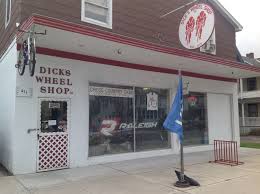
imgresThey drove me to Dick’s Wheel Shop in Herkimer, stayed with me until Dick found the right part, and wouldn’t take a dime for their trouble. I lingered at the bike shop for an hour or so while they replaced the chain, checked everything else, and directed me to a beautiful road that ran along the Mohawk River all the way to Utica.

The afternoon rains came. Not as dark thunderstorms, but as gentle showers that took the stinging heat out of the air. I rode along, thankful for the cool wet breeze, the generosity of humans, and the strange coincidences of my day. The couple that picked me up were named Frank and Lou, same as my grandparents. They delivered me to Herkimer, where my parents spent their first Honeymoon night. And Dick, the bike guy, was definitely my own father’s soul brother. Speculating upon the mysteries of life while pedaling through a soft rain is satisfying, but ultimately life delivers wonders that we must simply accept.

I didn’t arrive in New Hartford until six. My warmshowers hosts, Linda and Mike, fed me salad and grilled steak, baked potatoes and foil-warped onions swaddled in bacon. So good after a long day of riding and no lunch. Yet we still finished in time to watch The Voice.


Posted in Bicycle Trip Log | Tagged , , , | 2 Comments